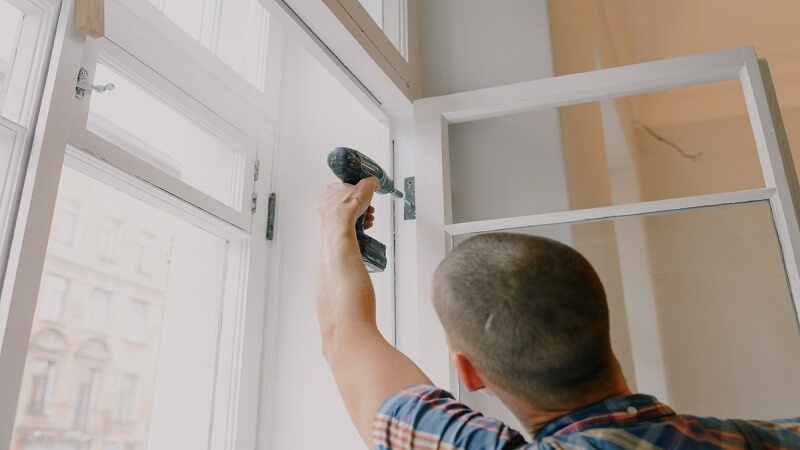
Windows serve as critical components in your home’s energy efficiency, comfort, and overall appearance. Over the years, they experience wear and tear, which can lead to problems ranging from uncomfortable drafts to higher utility costs. Knowing when to consider replacement is key to preserving your property’s integrity and function. If you seek expertise in replacing or upgrading your windows, turn to professional window installation Tulsa services in Tulsa OK, for reliable service and superior results.
Maintaining awareness of your windows enables early detection of issues like drafts or noise, helping preserve comfort and home value. Old or damaged windows can compromise insulation, damage interior furnishings, and reduce property value. If windows become difficult to operate or show signs of deterioration, it’s advisable to upgrade. Replacing windows in a timely manner improves energy efficiency, security, and appearance, and provides an opportunity to incorporate advanced technology. Addressing problems early ensures optimal performance and peace of mind.
Drafts and Air Leaks
If you notice a breeze or chill close to your closed windows, it is likely due to air leaks. Drafts not only reduce comfort but force your heating and cooling systems to work harder, increasing your monthly energy expenses. According to the U.S. Department of Energy, 25 to 30 percent of home heating and cooling energy use is attributed to heat gain and loss through windows. Sealing drafts or replacing windows can quickly improve your home’s efficiency.
Difficulty Operating Windows
Windows that are hard to open, close, or lock often signal underlying structural issues or warped components. Smooth operation is essential for proper sealing and insulation, and any resistance may point to frame damage or rot. This can compromise ventilation and security as well. If your windows do not function as intended, it is usually more cost-effective to replace them than to attempt multiple repairs.
Visible Damage or Decay
Physical damage is one of the most obvious reasons to consider window replacement. This can include cracked glass, warped frames, or signs of rot and mold. Damaged windows not only diminish your home’s visual appeal but can also allow moisture to enter, leading to more severe structural problems such as wood rot and the potential for mold development. This exposure puts your interior and investment at risk.
Condensation Between Panes
One of the primary benefits of double- or triple-pane windows is their insulating airspace. When condensation or fog appears between the panes, this means the seal has failed, and moisture has penetrated, reducing insulating properties and increasing the risk of water damage. Seal failure cannot be repaired with a simple fix and typically requires window replacement to restore thermal performance.
Increased Noise Levels
Older single-pane or poorly insulated windows are less effective at blocking outside noises. If traffic, construction, or neighborhood sounds suddenly seem louder indoors, your windows may be to blame. Modern windows feature better sound insulation, making your home quieter and more comfortable. Installing new windows with improved glazing can dramatically reduce noise infiltration.
Rising Energy Bills
If you’ve noticed unexplained spikes in your heating or cooling costs, your windows could be the culprit. Inefficient windows let warm or cool air escape, causing your HVAC system to run more frequently. Even small leaks can add up, leading to significant increases in energy bills over time.
Fading Furnishings
Exposure to sunlight can cause fabrics, wood, carpets, and artwork to fade. Modern windows often feature low-E coatings that block most UV rays, protecting your interior décor. Older windows without this technology expose your belongings to sun damage, diminishing the beauty and value of your home’s furnishings.
Age of Windows
Most residential windows last between 15 and 20 years. If your windows have surpassed this lifespan, they are likely not performing at peak efficiency or may be vulnerable to leaks and drafts. Routine inspection and maintenance can prolong window life, but eventually, replacement is necessary to maintain energy efficiency and performance standards.
Replacing old or damaged windows is a smart investment that improves comfort, security, and home value.
Investing in Long-Term Comfort and Efficiency
Recognizing the signs of aging or inefficient windows allows homeowners to address issues before they become more costly. Replacing outdated windows can improve energy efficiency, enhance indoor comfort, reduce outside noise, and increase property value, making it a worthwhile investment for both everyday living and long-term home performance.