
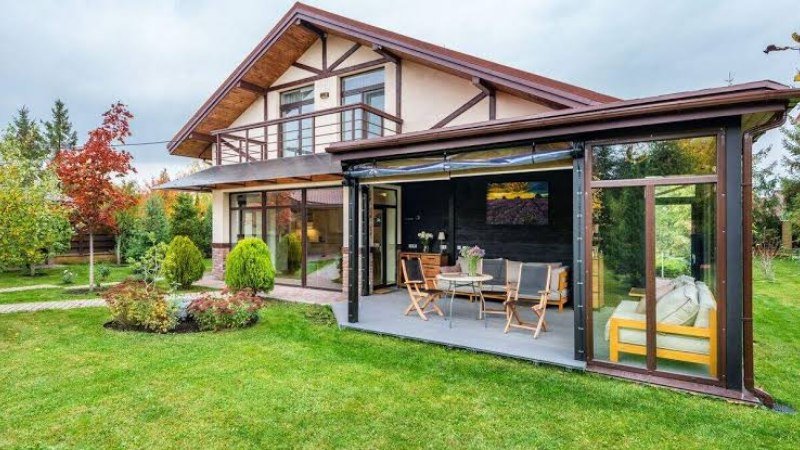
Larger properties collect pests in the spaces between structures. A shed with fertilizer bags, a barn with a feed room, a vegetable garden beside a compost bin, and a tractor parked under a lean-to each create a small ecosystem with food, shelter, and moisture. Georgia adds heat, humidity, and a long growing season, which means ants, roaches, rodents, termites, and mosquitoes can stay active for most of the year. Problems that begin far from the house rarely stay there, and what looks like a minor nuisance in the garden can become an indoor invasion by late summer. Understanding how each outbuilding contributes to pest pressure helps owners set priorities. The sections below cover sheds, barns, gardens, compost, feed storage, and exterior equipment, along with the early signs that activity is moving toward the residence.
Sheds and Barns Provide Shelter Long Before Pests Reach the House
A shed is an easy home for rodents. Stored paper, potting soil, seed packets, and cushioned items give mice and rats everything they need to nest, and the walls of a wooden shed offer protected travel routes along the foundation. Barns magnify the effect with larger spaces, more stored material, and doors that stay open during work hours.
Pests also arrive from below. Subterranean termites in Georgia live in soil and enter wood that touches the ground or sits close to damp earth, so wooden posts, shed skirting, and lumber stacks deserve a close look. Fire ants build mounds along building edges and in sun-warmed soil around concrete pads. Checking foundations, door frames, and roof lines twice a year catches many of these issues early. Gaps around pipes, vents, and doors should be sealed with metal or tough mesh instead of foam alone, and weeds or mulch should be kept several inches from walls so insects have no cover to approach unseen.
Gardens and Compost Feed Insects and Rodents
A vegetable garden is a buffet, and compost is the pantry behind it. Fallen tomatoes, split squash, and rotting melons attract fruit flies, roaches, ants, and wasps, and the same debris draws rats, opossums, and raccoons after dark. Compost bins hold warmth and moisture that suit sowbugs, beetles, and larvae, while a pile with food scraps on top announces a free meal.
The layout of the plot makes a difference. Raised beds and clear gravel paths limit ground cover where rodents hide, and a compost bin placed well away from the house keeps activity at a distance. Turning compost regularly, burying kitchen scraps beneath a layer of brown material, and avoiding meat or oily waste reduce odors that bring visitors. Fruit and vegetables should be picked promptly, and the rows cleaned up at season’s end. For owners who notice a rising pattern of ants, flies, or burrows, local pest control by Smart Solutions Pest Control is one example of the type of service that can inspect the garden edges and recommend steps that fit the property, which is more useful than treating random patches.
Feed Storage and Animal Areas Need Tight Control
Animal feed is the strongest pest attractant on most farm properties. Grain, pellets, and scratch feed give off scents that mice and rats follow from a surprising distance, and spilled kernels support cockroaches and grain beetles. Paper sacks and open buckets are an invitation. Pet food stored in a garage or mudroom works the same way, drawing ants and rodents toward the house.
Solid containers solve most of the problem. Metal bins with tight lids resist chewing, while heavy plastic totes are suitable for smaller supplies. Placing containers on shelves rather than the floor allows sweeping beneath them and lets an inspector spot droppings. Feed rooms should stay dry, since damp grain molds and attracts mites. Water troughs, dripping hose bibs, and puddles near animal pens add moisture that draws mosquitoes and roaches, so leaks should be fixed and troughs scrubbed regularly. A routine of sweeping feed spills at the end of each day takes only a few minutes and removes the food that sustains an infestation through the night.
Exterior Equipment and the Path Toward the Residence
Machinery, tools, and storage items outdoors provide cover that is easy to overlook. Mowers, trailers, stacked pots, and tarps hold standing water, shelter wasps and spiders, and give rodents a place to nest. Pallets leaned against a barn wall create dark gaps near the foundation, and firewood stacked near a porch leads carpenter ants and termites toward the house.
Activity usually moves along predictable paths. Ant trails follow fences and utility lines, mice run along walls and under stacked items, and mosquitoes drift from standing water toward porch lights. When signs begin appearing in the garage, mudroom, or kitchen, the pest has probably already crossed the buffer zone, and a licensed local pest provider or a comparable licensed provider can trace how it got in and which outbuilding is the source. A bit of discipline helps before that point: keeping equipment under cover, storing pallets off the ground, moving firewood away from the house, and trimming vegetation so that the home has a clear, dry margin. A band of gravel or bare soil around the foundation works as a barrier that pests dislike crossing.
A Seasonal Plan for Larger Properties
Careful timing helps. Early spring is the right moment to repair damage from winter, clean sheds, and set up storage. Summer calls for attention to moisture, garden debris, and standing water, while autumn is the time to seal gaps before rodents and roaches look for warmth.
A short checklist covers the most important actions:
- Seal gaps, vents, and door sweeps on every outbuilding.
- Store feed and seed in tight metal or heavy plastic containers.
- Move compost and wood piles well away from the house.
- Empty containers that hold standing water each week.
- Clear garden debris and fallen fruit promptly.
Recording the date and finding after each walk-through reveals which areas need more attention from year to year.
Final Analysis
Pest pressure on a Georgia farmhouse property builds in sheds, barns, gardens, compost areas, feed storage, and equipment yards long before anyone sees it indoors. Each of those spaces supplies food, moisture, or shelter, and closing off even one of those three reduces the appeal of the area. Tight containers, tidy garden practices, careful placement of compost and wood, and routine inspections all lower the odds that activity will spread toward the home. When signs do reach the residence, a licensed professional can locate the source quickly. Treating the property as a connected whole gives owners the most dependable protection.