
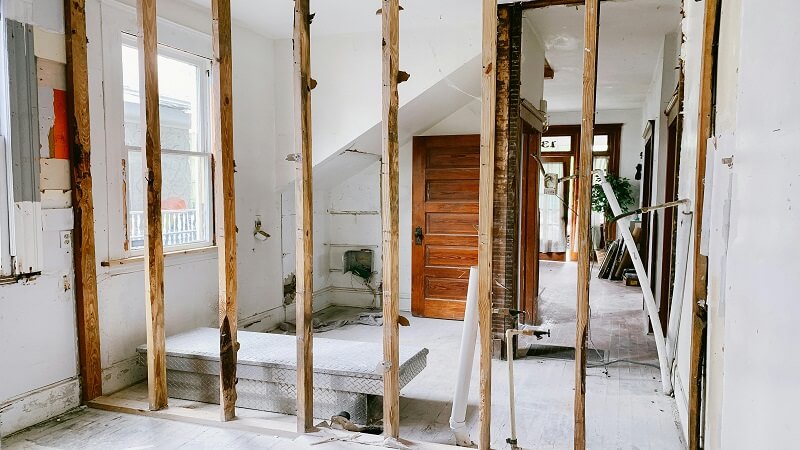
Updating an older home can feel exciting and overwhelming at the same time. Many homeowners love the character and charm that older houses offer. In places like Simsbury, CT, older homes are common, and they often come with hidden challenges. While updates aim to improve comfort and function, mistakes happen more often than people expect. Most issues do not come from poor intentions. They come from missed details, rushed choices, or focusing on the wrong upgrades first. Knowing what to avoid helps homeowners plan smarter updates that last.
Overlooking Core Systems Before Cosmetic Updates
Many homeowners begin updates by focusing on what they can see. New flooring, cabinets, and paint offer quick results and make a space feel refreshed right away. These changes feel rewarding, but problems often start when major systems get pushed aside during planning.
Heating systems matter more than most people realize, especially in older homes that rely on boilers. These systems often run for decades with little attention, which makes them easy to overlook. Even when a boiler still operates, age can reduce efficiency and limit how evenly heat moves through the home. Homeowners sometimes complete full remodels only to discover that the existing boiler cannot support the updated space. Fixing that after the fact often leads to higher costs and disrupted finishes.
In colder climates, heating plays a central role in daily comfort. Planning for boiler installation in Simsbury, CT, early helps homeowners avoid future disruptions. Addressing heating needs first also supports better energy use and more consistent warmth throughout the home.
Ignoring Local Climate When Planning Improvements
Climate affects how a home performs every day, not just during extreme weather. Many older homes were built before modern insulation standards became common. As a result, they may struggle to hold heat or manage moisture. Homeowners sometimes follow design trends without thinking about how their home handles seasonal changes.
Cold winters place steady pressure on heating systems and building materials. Drafts become more noticeable, and heat escapes through walls, windows, and attics. Moisture problems may also appear as warm indoor air meets cold surfaces. When homeowners ignore these factors, rooms can feel uneven, and energy bills often climb. Planning upgrades with climate in mind helps finishes last longer and allows heating systems to work more efficiently.
Assuming Old Materials Can Always Be Reused
Keeping original materials feels like a smart way to save money. It also helps preserve the character of an older home. While some materials remain in good shape, others wear down over time in ways that are not easy to see.
Older pipes may restrict water flow or develop small leaks. Wiring may not support modern electrical loads. Heating components may struggle to keep up with demand. These issues often stay hidden until new upgrades place added stress on the system. Inspecting materials before reuse helps homeowners decide what truly belongs in an updated home. Replacing weak components early protects new finishes and reduces the risk of future repairs.
Skipping Professional Evaluations to Save Money
Home updates can feel expensive from the start. To reduce costs, some homeowners skip professional evaluations. This choice often leads to higher expenses later.
Professionals understand how older homes age and where problems tend to hide. They look beyond surface issues and evaluate how systems function as a whole. Without this insight, homeowners may fix visible problems while leaving larger issues untouched. That often leads to repeated work and added frustration. Investing in evaluations early helps updates stay focused and prevents costly surprises.
Focusing Only on Short-Term Costs
Sticking to a budget matters, but focusing only on upfront costs can limit results. Cheaper materials and quick fixes may lower the initial price, but they often increase maintenance and energy costs over time.
Older homes benefit from durable, efficient upgrades. Energy-efficient systems help control monthly bills. Quality materials resist wear and need fewer repairs. Homeowners who look beyond the first price tag often enjoy better comfort and fewer problems. Smart planning balances cost, performance, and long-term value.
Forgetting to Plan for Future Needs
Homes should support changes over time. Many homeowners plan updates based only on current routines. As life changes, these choices may no longer work.
Families grow, work-from-home needs shift, and mobility concerns increase. Heating demands can change as rooms get used differently. A system that feels adequate today may struggle in a few years. Planning with the future in mind reduces the need for repeat upgrades. Flexible choices allow homes to adapt without major disruption.
Rushing the Update Process
Excitement often leads homeowners to rush decisions. Tight timelines and quick approvals increase the risk of mistakes, especially in older homes. These houses often have hidden issues that only show up once work begins. Careful planning and steady progress help prevent surprises that can slow a project down.
Each update affects another part of the home. Changes to walls, floors, or ceilings can impact wiring, plumbing, or heating. When work moves too fast, steps get missed, and systems may not line up properly. That often leads to rework and added costs. Homeowners who take time to plan usually see smoother projects and fewer disruptions.
Not Understanding How Systems Work Together
Homes function as connected systems. Heating, insulation, airflow, and layout all influence comfort. Upgrading one area without considering the others can create new problems.
Improved insulation changes how heat moves through a home. If heating systems do not adjust, some rooms may feel too warm while others stay cold. Airflow issues may also appear. Understanding how systems interact helps homeowners make informed decisions. Coordinated upgrades improve efficiency and support even comfort throughout the home.
Updating an older home takes careful planning and clear priorities. Mistakes often happen when homeowners focus on appearance instead of function. Addressing core systems first sets the foundation for successful updates. Climate, materials, and future needs all matter. Taking time to plan and seek guidance helps avoid costly errors.
With thoughtful choices, older homes can remain comfortable, efficient, and enjoyable for years to come.