
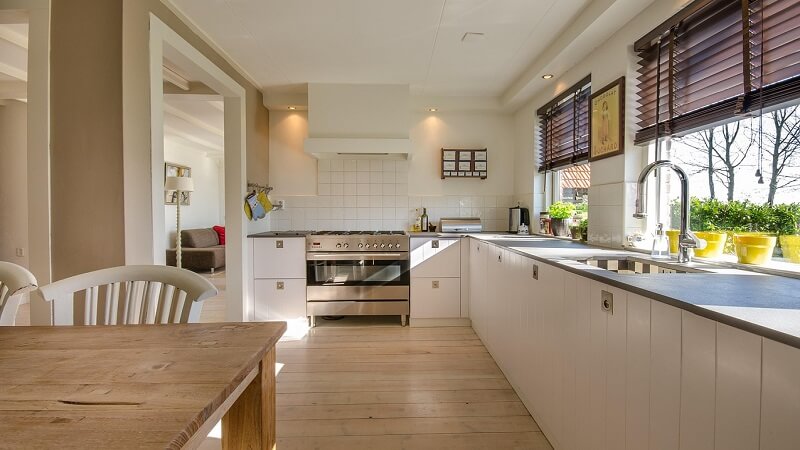
Kitchen trends have been quite similar over the past few years, focusing on minimalist designs and organisational styles. While this may have coincided with the rise of consumerism and people’s desire for less crowded homes, establishing a minimalist home still requires replacing many appliances and furniture to align with the trend.
This was mostly observed in kitchen design, where appliances from brands like Smeg went viral on TikTok and were immediately associated with the minimalist style. However, the design of an appliance should not be more important than its efficiency, longevity, or energy consumption, since functionality is a core element of minimalism and modern design.
In 2026, kitchen owners must find the balance between aesthetics and usability with the warm minimalism style, which evokes a sense of comfort by blending with natural materials and subtle textures. Here’s how to achieve it.
Minimalism is all about the right colour scheme
Usually, minimalism is associated with tones of grey, white, and warm beige undertones. These are preferred because they don’t visually clutter the kitchen and can be incorporated into different styles, but in this specific design, we’re looking for warm undertones in every shade. This can apply to grey kitchens with a warm mid-tone pink finish, or to all-white kitchens with the right furniture colour.
Some of the kitchen colours of 2026 include light yellow, clay, and slate blue, which can be paired with simple, straightforward furniture designs. You can play with changing these colours from the units to the walls, but it’s most important to avoid colder tones that might make the kitchen seem unwelcoming.
For example, these are some great ideas for a minimalistic colour scheme:
- Tuscany, iron and coffee;
- Sandstones, pampas, and squirrel;
- Brandy rose, mystic, and manatee;
- Lemon grass, soy bean, and cloud;
- Honey peach, satellite, and schist;
Wood is a primary material for this year’s kitchens
Wood is one of the most visually pleasing materials and textures in a kitchen, as it provides warmth and a special appeal in minimalist design. Wood doesn’t require additional decoration or painting to be unique, which is why opting for solid wood furniture like units is a good decision. This type of wood is also long-lasting and can resist humidity fairly well.
Keeping a consistent approach to wood in the kitchen is essential, so opt for it in doors, panels, or other open elements to create a sense of continuity. Placement is important, but so is the type of wood you choose:
- Light oak is perfect for a subtle design and works best with cabinets with tactile features and thin front frames.
- Dark oak is more sophisticated and looks best with lighter contrasts for balance.
- American walnut is great for achieving the modern aesthetic look and is best paired with brass or stainless steel.
Clutter zones are long gone with proper solutions
The visual clutter that kitchen owners are long tired of usually comes from all the appliances sitting atop units and tables, which can make the room lose focus on a single element, such as the kitchen island. That’s why concealed function is part of the warm minimalism, because it doesn’t avoid the necessity of storage but also beautifies it. Some of these solutions include:
- An appliance garage: this is a built-in space where you hide appliances and stations altogether, such as a special spot for the coffee maker, mugs, and all the other necessary supplies.
- Some pocket doors: these are creative, small spaces to hide kitchen items or better integrate nooks in the kitchen design.
- Integrated appliances: these maximise usable space by building in units’ appliances like the fridge, the cooktop, or the microwave;
These options also target storage by offering solutions like retractable unit doors, ideal for smaller spaces, as well as doorless designs for fast access.
The kitchen island is the main attraction in the kitchen
Regardless of the kitchen layout, you can integrate an island in innovative ways to create a focus element. However, islands are much more than aesthetics; they can serve as prep surfaces, cleanup support, and even a storage hub. If space allows, the island can be a great seating place.
As mentioned, different layouts require specific action:
- U-shaped kitchens need the island to be parallel to the longest side of the “U”, and should be introduced according to the work triangle.
- L-shaped kitchens need the island to be placed in the open area of the “L” for the extra focal point or diagonally to the layout.
- Gallery kitchens look best with a narrow and mobile island that can offer clearance on each side of the kitchen.
- One-wall kitchens are best for defining the kitchen zone, but favouring a movable island might be best when considering potential improvements in the kitchen.
Layering lighting as the premium yet affordable option
Warm minimalism can be best achieved with a simple lighting change. In most cases, the light in our homes is colder and affects the mood of each room. In the kitchen, this effect can make it feel unwelcoming and dull, but switching to warmer bulbs is ideal for maximum cosiness.
At the same time, layering lighting properly will help achieve a luxurious effect in the kitchen:
- Ambient lighting is the general layer of pendants, ceiling fixtures, or chandeliers that provides the entire illumination to the room.
- Task lighting targets specific use cases, such as using the stovetop or countertop, and includes floor lamps, cabinet lights, and desk lamps.
- Accent lighting is ideal for customising the space and highlighting certain items, such as wall art, through LED tape, rope lighting, and wall sconces.
What do you think about warm minimalism?
Warm minimalism is the trending kitchen design of 2026, emphasizing warm undertones, natural materials like wood, and proper lighting. It also focuses on installing a kitchen island appropriate to the room’s size and an aesthetic colour scheme, but that doesn’t have to change every new season. After all, minimalism is all about maximum functionality and timeless, good-looking features, rather than overconsumption to keep up with trends.