
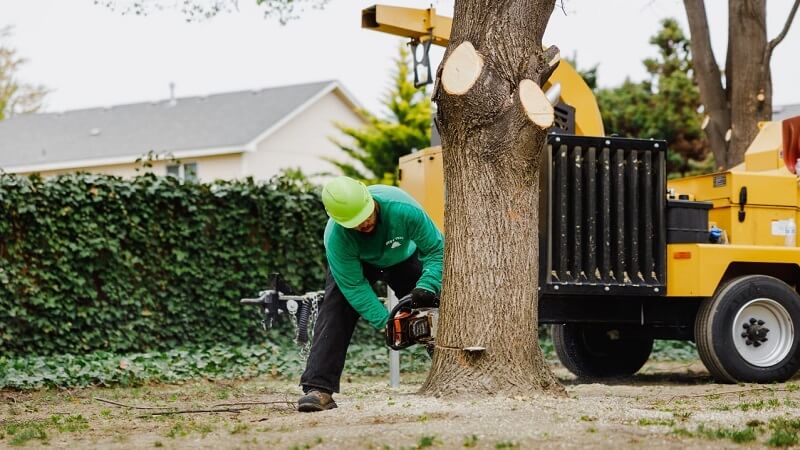
Trees add beauty, shade, and long-term value to residential and commercial properties. However, when a tree becomes hazardous, delaying removal can create serious structural, financial, and safety risks. In urban environments like Toronto and Mississauga, trees grow close to homes, driveways, power lines, and neighboring properties. Ignoring warning signs often leads to consequences that are far more expensive than timely intervention.
Understanding when removal becomes necessary is essential for protecting both property and personal safety.
Structural Damage That Worsens Over Time
One of the most significant dangers of postponing removal is gradual structural damage. Tree roots naturally expand in search of water and nutrients. In compact urban lots, this expansion can affect foundations, basement walls, interlock surfaces, and underground plumbing systems.
What begins as minor cracking can evolve into costly repairs. Leaning trees also pose foundation risks, especially after heavy rainfall when soil becomes unstable. In these cases, professional Toronto tree removal is not simply cosmetic—it is preventative property protection.
The longer a compromised tree remains, the greater the likelihood that root systems or shifting trunks will impact structural integrity.
Storm Vulnerability and Falling Hazards
Southern Ontario experiences strong windstorms, ice accumulation, and heavy snow loads throughout the year. A weakened or diseased tree is far more likely to lose limbs—or collapse entirely—under stress.
Dead branches, internal decay, and hollow trunks are common indicators of instability. During storms, these vulnerabilities become immediate hazards to roofs, vehicles, fences, and pedestrians.
Homeowners in Mississauga often rely on professional tree service Mississauga providers to assess risk before severe weather seasons. Proactive removal reduces liability and prevents emergency situations that can be both dangerous and expensive.
Waiting until after storm damage occurs often means dealing with emergency removal costs, insurance claims, and unexpected repairs.
Pest Infestations and Disease Spread
Decaying trees frequently attract insects and fungal infections. Once pests establish themselves in a weakened tree, nearby healthy trees may also become vulnerable. In tightly spaced neighborhoods across Toronto and Mississauga, disease transmission can spread quickly.
Fungal decay often begins internally, making the tree appear stable from the outside. By the time visible symptoms appear—such as canopy thinning or bark separation—the internal structure may already be compromised.
Professional evaluation determines whether pruning can resolve the issue or if complete Toronto tree removal is the safer long-term option. Acting early prevents infestations from affecting surrounding landscapes.
Increased Liability Risks
Property owners are responsible for maintaining safe conditions on their premises. If a visibly hazardous tree falls and causes injury or property damage, liability concerns may arise.
Insurance providers may investigate whether warning signs were ignored. Dead limbs, significant lean, or visible decay can be considered indicators that action should have been taken. Delaying removal not only increases physical risk but can also create legal and financial exposure.
Engaging a certified tree service Mississauga specialist for inspection and risk assessment demonstrates responsible property management and reduces long-term liability.
Impact on Property Value and Curb Appeal
While mature trees often enhance property value, neglected or hazardous trees can have the opposite effect. Prospective buyers frequently view leaning trunks, damaged limbs, or visibly decaying trees as red flags.
An unstable tree close to the home can raise concerns about roof damage, drainage interference, and future repair costs. Addressing removal proactively maintains curb appeal and ensures the landscape reflects proper care.
In competitive real estate markets like Toronto and Mississauga, well-maintained landscapes significantly influence buyer perception and appraisal outcomes.
The Cost of Waiting vs. Acting Early
One of the most common reasons homeowners delay removal is cost. However, postponement often leads to higher expenses. Emergency removals, storm-related damage, foundation repairs, and insurance deductibles quickly surpass the cost of planned intervention.
Early removal allows for controlled scheduling, proper equipment planning, and minimized disruption. It also reduces the risk of collateral damage to surrounding structures or landscaping features.
Tree removal performed under stable conditions is safer, more efficient, and less expensive than emergency response after a failure.
Recognizing Warning Signs
Understanding early indicators helps prevent major incidents. Signs that removal may be necessary include persistent leaning, exposed or lifting roots, hollow sounds within the trunk, fungal growth at the base, and extensive deadwood in the canopy.
While some issues can be managed through pruning or structural correction, others require complete removal to eliminate risk. Professional assessment ensures the correct course of action is taken based on tree condition, location, and surrounding structures.
Proactive Tree Management Protects Urban Properties
Tree removal is never the first choice—but when safety and structural stability are compromised, timely action is critical. Urban properties leave little margin for error. Trees planted decades ago may no longer suit their environment as neighborhoods evolve and infrastructure expands.
Delaying necessary removal increases risk exposure year after year. By addressing hazards early, homeowners protect their investments, reduce liability, and maintain the health of surrounding landscapes.
In Toronto and Mississauga, proactive tree management is not simply maintenance—it is responsible property ownership. Acting before a tree becomes an emergency ensures safety, preserves property value, and supports long-term landscape stability.