
Trees are one of the most valuable assets on your property. They provide shade in the summer, curb appeal year-round, and can add thousands of dollars to your home’s market value. But like any living thing, trees need consistent care — and that care looks different depending on the season.
As Ottawa homeowners know, our climate puts trees through some serious extremes — from brutal winter ice storms to hot, dry summers. This guide walks you through exactly what your trees need in each season so you can stay ahead of problems, avoid costly emergencies, and enjoy a healthy, beautiful yard all year long
Spring: Wake-Up Care and Early Inspection
Spring is when your trees shake off the long Ottawa winter — and it’s the most important time to set them up for a healthy growing season. As the snow melts and temperatures rise, here’s your spring tree care checklist:
- Inspect for winter damage: Walk your property and look for cracked bark, broken limbs, and leaning trunks caused by ice or snow load.
- Remove dead wood: Dead or damaged branches left over from winter storms should be cleared before new growth begins.
- Check the root zone: Look for heaving soil around the base of trees, which can indicate frost damage to roots.
Apply mulch: A 2–3 inch layer of mulch around the base of your trees retains moisture, regulates soil temperature, and reduces weed competition — but keep it away from the trunk. Spring is also a good time to schedule professional tree pruning Ottawa arborists recommend for most deciduous trees — ideally done just before or right as new growth emerges. Early pruning shapes the tree’s structure, removes weak branches, and improves air circulation through the canopy.
Summer: Monitoring and Maintenance
Summer is when your trees are working hard — growing, photosynthesizing, and supporting the full weight of their canopy. Your job in summer is mostly to monitor and support:
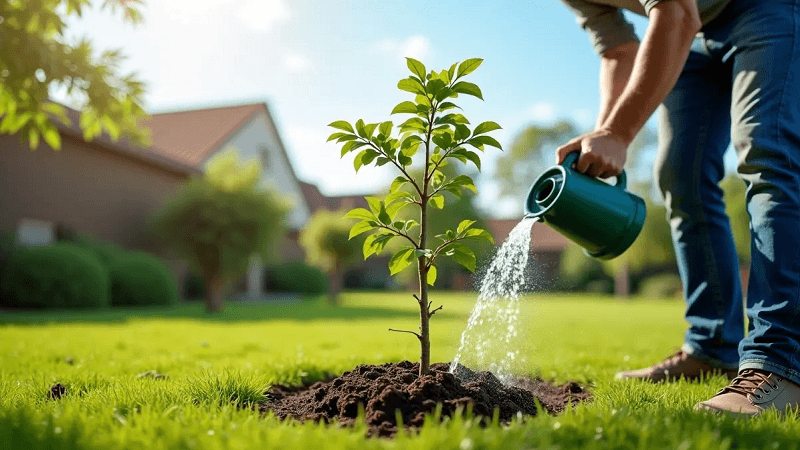
- Water during dry spells: Established trees generally manage on their own, but newly planted trees need 1–2 inches of water per week during dry stretches.
- Watch for pests and disease: Discolored leaves, unusual spots, early leaf drop, or sticky residue on branches can all indicate a pest or disease problem that needs attention.
- Avoid heavy pruning in peak summer: Major pruning during the hottest months stresses trees and can attract insects to fresh wounds.
- Clear hazards before storm season peaks: Identify any large overhanging branches near your home or power lines and address them before late-summer thunderstorms hit.
If you notice a tree leaning significantly, large dead sections in the canopy, or fungal growth on the trunk, call an arborist sooner rather than later. Summer storms can turn a compromised tree into an emergency overnight.
Fall: Preparing for Winter
Fall is your window to prepare trees for the cold months ahead. Ottawa winters are tough, and a little preparation goes a long way toward preventing damage:
- Deep water before freeze-up: Give your trees a thorough watering in late October before the ground freezes. Well-hydrated trees handle winter stress far better.
- Replenish mulch: Top up the mulch around the root zone to insulate roots against freeze-thaw cycles.
- Wrap young or thin-barked trees: Young maples, cherries, and fruit trees benefit from trunk wraps to prevent frost cracks and sunscald.
- Schedule a fall assessment: Have an arborist review your mature trees for structural issues before winter ice adds additional weight and stress.
Fall is also an excellent time to address any trees that are declining, diseased, or structurally unsafe. Scheduling Ottawa tree removal in fall typically means shorter wait times and the ground conditions are ideal for equipment access before freeze-up.
Winter: Smart Monitoring and Careful Intervention
Most homeowners assume there’s nothing to do for trees in winter — but there’s actually quite a bit of smart monitoring you can do:
- Gently remove heavy snow from young or multi-stemmed trees using a broom — upward sweeping motions only, never shaking or pulling.
- Avoid using road salt near tree root zones — salt damage is one of the most common and underdiagnosed causes of tree decline in Ottawa.
- After ice storms, don’t try to remove ice from branches yourself — the added stress of manipulation causes more damage than the ice itself. Let it melt naturally.
Winter is also when many arborists are available for dormant pruning — particularly for fruit trees, oaks, and elms. With leaves off the tree, the branch structure is clearly visible, making it easier to identify and remove problem branches accurately.
Year-Round Tree Care Starts with the Right Partner
Consistent, seasonal tree care doesn’t just keep your yard looking great — it protects your home, reduces liability, and saves you from expensive emergencies. A tree that’s properly maintained through every season is far less likely to fail in a storm, develop disease, or become a hazard.
Whether your trees need a seasonal checkup, some shaping and care, or you have a tree that’s simply past saving, our local team is here to help you every step of the way. Get in touch today for a free property assessment and let’s build a tree care plan that keeps your yard thriving all year long.