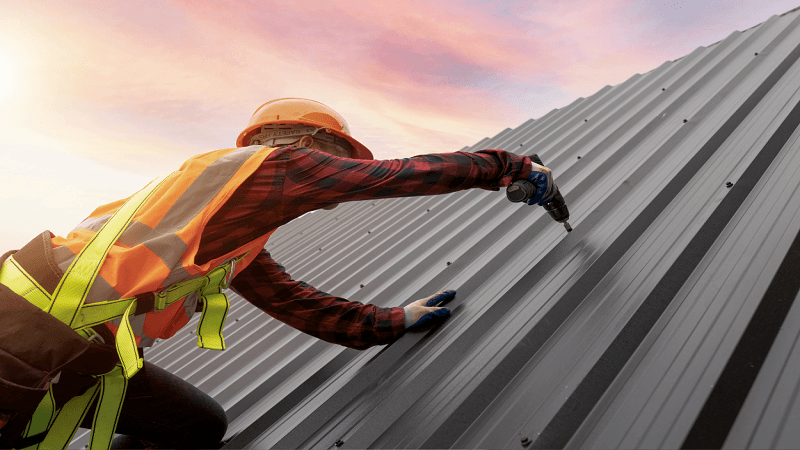
Running a business in Ocean County comes with its own set of challenges. The seasonal swings, the coastal weather, the mix of year-round residents and summer traffic. Most business owners are thinking about customers and operations, not what’s happening on top of the building. But the roof is one of the most expensive components of any commercial property, and when it fails, it doesn’t just cost money to fix. It can shut you down. If you own or manage a commercial property in the area, getting familiar with Commercial Roofing Ocean County NJ is worth the time before a problem forces the issue.
Commercial Roofs Are a Different Animal
Most people picture pitched shingles when they think about roofing. Commercial buildings usually work differently. Flat or low-slope roofs are the norm on retail spaces, warehouses, office buildings, and multi-unit properties. The materials, the drainage systems, and the failure points are all different from residential construction.
The most common flat roof systems in this region are TPO, EPDM, and modified bitumen. TPO is a white membrane that reflects heat well, which helps with cooling costs in summer. EPDM is a rubber membrane that’s been around for decades and holds up reliably in cold weather. Modified bitumen is an asphalt-based material installed in layers, often used on older buildings or as a cost-effective option for smaller commercial jobs.
Each one has a different lifespan, different maintenance requirements, and different repair approaches. A contractor who works residential jobs exclusively may not have the equipment or experience to work on commercial membrane systems. It’s worth asking directly before hiring anyone.
The Coastal Factor for Ocean County Properties
Properties near the water face conditions that inland commercial buildings don’t. Wind loads along the Shore are higher than the state average. During a nor’easter, sustained winds can push hard against roof membranes, especially at the edges and corners where uplift force is strongest.
Flat roofs need functional drainage to handle heavy rain. When drains or scuppers get clogged with debris, water ponds on the surface. Standing water is one of the main causes of membrane deterioration on flat roofs. A few inches of ponded water also adds significant weight, which can stress the roof structure over time.
Salt air affects commercial roofing the same way it affects residential, just at a larger scale. Metal components, flashing, fasteners, and HVAC curbs all take on corrosion faster near the ocean. Regular inspection catches this before it becomes a waterproofing failure.
What Regular Maintenance Actually Involves
Commercial roofs need a professional inspection at least once a year. Twice is better, once in spring and once in fall. The inspection covers the membrane surface for blistering, cracking, or punctures. It checks the flashing around any roof penetrations, which on a commercial building includes HVAC units, exhaust vents, skylights, and electrical conduit. It also checks the drainage system.
Between inspections, someone should walk the roof after every significant storm to check for obvious damage. This doesn’t require a contractor. Any building maintenance person can look for pooling water, debris blocking drains, or anything that looks visibly out of place.
The National Roofing Contractors Association recommends that commercial property owners keep a documented maintenance log for every inspection and repair. This matters for insurance claims and also for tracking the performance history of the roof system over time.
Repair vs. Replacement on a Commercial Roof
The same logic applies here as with residential. If the membrane is less than 15 years old and the damage is isolated, a repair is usually the right call. If there are multiple leak points, widespread membrane degradation, or the roof is approaching the end of its rated lifespan, layering repairs on top of each other gets expensive fast.
One thing specific to commercial properties: some building owners opt for a roof coating instead of a full tear-off. A coating is sprayed or rolled over the existing membrane, extending its life and improving reflectivity. It’s not right for every situation, but it can be a cost-effective middle option when the membrane is worn but structurally sound.
Picking the Right Contractor for a Commercial Job
Commercial roofing requires different licensing, different equipment, and different experience than residential work. Ask any contractor you’re considering about their specific commercial portfolio. Ask for references from other business owners in Ocean County if possible.
Get the warranty in writing, both the contractor’s workmanship warranty and the manufacturer’s warranty on materials. On a commercial roof, these documents matter because the investment is larger and the consequences of a failure are bigger. A contractor who hesitates to provide either in writing before you sign is not someone you want working on your building.