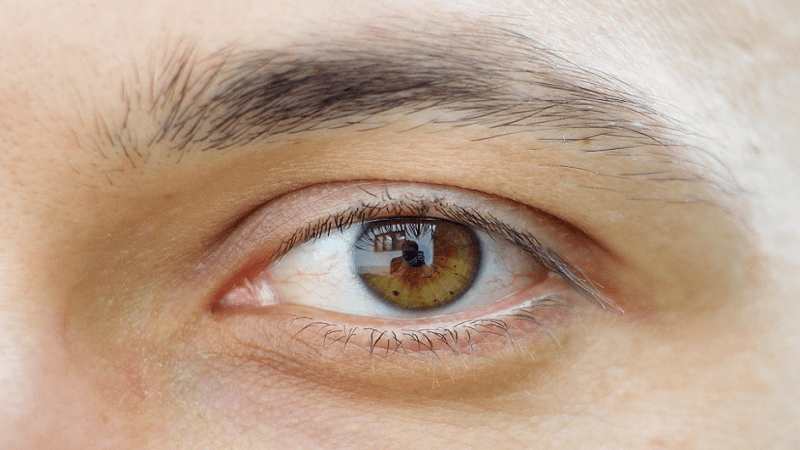
Eye health is often discussed in terms of medical checkups, corrective lenses, and surgical procedures. Yet one of the most influential factors is much closer to home—literally. The environments we live and work in have a direct impact on how our eyes function, feel, and adapt over time.
Lighting, air quality, color choices, and daily exposure to screens all contribute to the condition of our eyes. When these elements are aligned with healthy habits, they support comfort and clarity. When they are not, they can quietly strain vision and contribute to long-term issues.
The Connection Between Environment and Eye Health
The eyes are highly sensitive to their surroundings. Bright glare, poor lighting, and dry air can all disrupt visual comfort. Over time, these factors may lead to fatigue, irritation, and reduced focus, particularly in spaces where people spend extended periods.
Insights such as those found in comprehensive guides to maintaining eye health emphasize the importance of environmental awareness. Adjusting surroundings can often provide immediate relief and prevent more serious complications.
Why Small Environmental Changes Matter
Even minor adjustments—like repositioning a screen to reduce glare or improving indoor lighting—can make a noticeable difference. These changes help reduce strain and create a more comfortable visual experience.
Over time, consistent improvements in the environment contribute to healthier vision and better overall well-being.
Designing Spaces That Support Vision
Interior design plays a subtle but important role in eye health. The colors used on walls, the materials chosen for furniture, and the overall layout of a space can influence how the eyes respond to their surroundings. Soft, balanced tones and natural light tend to be more comfortable than harsh contrasts or overly bright environments.
For families, especially those designing spaces for children, considerations extend beyond aesthetics. Guidance such as choosing safe and healthy materials for living spaces highlights how environmental choices can affect both comfort and long-term health.
Creating a Vision-Friendly Home
A vision-friendly space prioritizes balance. This includes proper lighting, reduced screen glare, and materials that do not contribute to eye irritation. These elements work together to create an environment where the eyes can function without unnecessary stress.
Such spaces are particularly important for individuals who spend significant time indoors.
The Impact of Digital Habits on Eye Comfort
Modern environments are increasingly dominated by screens. Whether for work, communication, or entertainment, digital devices are a constant presence. While convenient, they can also contribute to eye strain when used excessively or without proper breaks.
Extended screen use reduces blinking, which in turn affects moisture levels in the eyes. This can lead to dryness, irritation, and fatigue.
Managing Screen Time Effectively
Simple strategies such as the 20-20-20 rule—taking a break every 20 minutes to look at something 20 feet away for 20 seconds—can help reduce strain. Adjusting brightness and ensuring proper screen positioning also contribute to comfort.
These habits are easy to implement and can significantly improve the way the eyes feel throughout the day.
When Environmental Adjustments Aren’t Enough
While optimizing surroundings can address many issues, it may not resolve all vision problems. Persistent discomfort, blurred vision, or dependency on corrective lenses may indicate underlying conditions that require professional attention.
In such cases, environmental improvements should be combined with medical evaluation to achieve the best results.
Recognizing the Need for Advanced Care
If symptoms continue despite adjustments, it may be time to explore more comprehensive solutions. Eye specialists can assess the condition and recommend appropriate treatments, ranging from updated prescriptions to surgical options.
Taking this step ensures that care is both effective and tailored to individual needs.
Exploring Modern Surgical Options
Advancements in ophthalmology have introduced procedures that address vision issues at their source. Laser eye surgery, for example, reshapes the cornea to improve how light is focused, offering a more permanent solution for refractive errors.
These procedures have become increasingly precise, making them a viable option for many individuals seeking long-term clarity.
Learning About Treatment Options with Confidence
Understanding surgical options is an important part of the decision-making process. Resources such as Eye Surgery Today provide detailed insights into available procedures, helping individuals explore their choices with clarity.
This knowledge allows patients to approach treatment with confidence and a clear understanding of what to expect.
Maintaining Eye Health in Everyday Life
Eye care is not limited to occasional checkups or treatments—it is an ongoing process that involves daily habits and environmental awareness. Maintaining hydration, ensuring proper lighting, and taking regular breaks from screens all contribute to long-term vision health.
These practices support both prevention and recovery, creating a balanced approach to eye care.
Building a Sustainable Routine
A sustainable routine combines healthy habits with regular monitoring. Paying attention to changes in vision and seeking timely advice ensures that potential issues are addressed early.
This proactive approach helps preserve clarity and comfort over time.
Conclusion
The spaces we inhabit play a powerful role in shaping how our eyes function and feel. From lighting and design choices to digital habits, environmental factors influence vision in ways that are often overlooked.
By creating supportive environments, adopting mindful routines, and exploring advanced care when needed, individuals can take control of their eye health. Clear vision is not just the result of treatment—it is the outcome of thoughtful choices made every day.