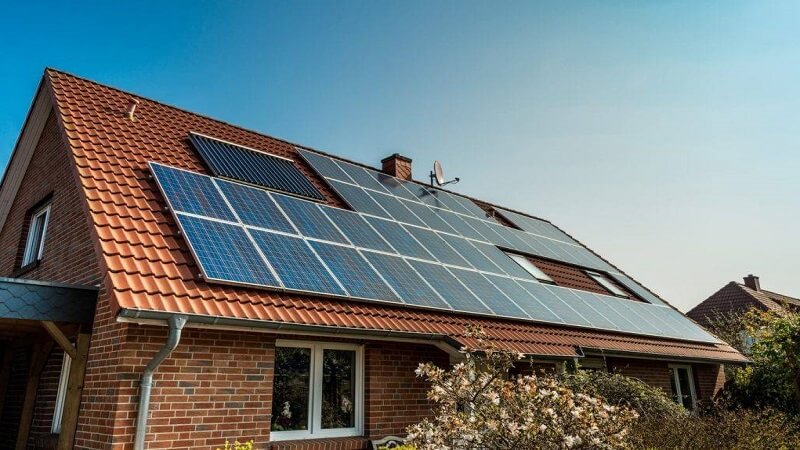
Solar energy has become an increasingly practical option for homeowners seeking long-term efficiency and reduced reliance on traditional power sources. However, not every property is immediately ready for solar installation, and understanding the key indicators of suitability is essential before making a decision. Factors such as roof condition, sunlight exposure, and energy usage all influence how effectively a solar system will perform. By carefully evaluating these elements, homeowners can determine whether their property can support a system that delivers consistent energy production. Recognizing these signs early helps ensure that a solar installation delivers reliable performance and meaningful long-term benefits.
Key Indicators of Solar Readiness
- Roof Orientation and Sunlight Exposure Are Favorable
One of the clearest signs that a home is suitable for solar installation is consistent exposure to sunlight throughout the day. Roofs that face the sun for extended periods are better suited to efficient energy generation. Orientation plays a major role, as certain directions allow panels to capture more sunlight during peak hours. Homes with minimal shading from nearby structures or trees are particularly well-suited for solar systems. When sunlight exposure is consistent, panels can operate more effectively and produce a steady amount of energy. Evaluating how sunlight moves across the property helps determine whether the location supports reliable solar performance.
- Roof Condition Supports Long-Term Installation
The condition of the roof is another important factor in determining whether a home is ready for solar installation. A strong, well-maintained roof provides a stable foundation for mounting panels, ensuring the system remains secure over time. Older roofs that may require repairs or replacement can present challenges, as installing panels on a compromised surface can lead to additional costs later. Consulting with a company such as North Valley Solar Power can help assess whether the roof is suitable for installation and identify any necessary improvements. Ensuring that the roof is in good condition before installation helps protect both the system and the home.
- Energy Consumption Aligns with Solar Benefits
Homes with consistent, significant energy use are often good candidates for solar installations. When energy consumption is high, the benefits of generating independent power become more noticeable. Solar systems can offset a portion of this usage, reducing reliance on external energy sources and lowering utility costs. Understanding how energy is used within the home helps determine the appropriate size and capacity of a solar system. By aligning energy needs with solar capabilities, homeowners can maximize the value of their investment and ensure that the system meets their daily requirements.
- Electrical Infrastructure Supports Integration
A home’s electrical system must be capable of integrating with solar equipment for installation to be effective. This includes having sufficient panel capacity, proper wiring, and compatibility with solar components. Older electrical systems may require upgrades to support modern solar technology, adding complexity to the installation process. Evaluating the electrical infrastructure ensures that the system can operate efficiently and safely. By addressing any necessary adjustments in advance, homeowners can create a smoother installation process and avoid complications that may arise later.
- Minimal Shading Ensures Consistent Output
Shading is one of the most significant factors affecting solar performance. Homes with minimal obstruction from trees, buildings, or other structures are more likely to achieve consistent energy production. Even partial shading can reduce output, making it important to carefully evaluate the surrounding environment. Properties with clear access to sunlight throughout the day are better suited for solar installation. Identifying and addressing potential sources of shading helps ensure that panels receive adequate exposure and operate efficiently over time.
- Available Roof Space Accommodates Panel Layout
The amount of available roof space is another key indicator of solar suitability. Sufficient space allows for the installation of enough panels to meet energy needs. Roofs with large, unobstructed areas provide greater flexibility in panel placement and design. Limited space can restrict the number of panels that can be installed, potentially affecting overall system performance. By evaluating roof space early, homeowners can determine whether their property can support a system that aligns with their energy goals.
- Local Climate Supports Solar Efficiency
Climate conditions play an important role in determining how effectively a solar system will perform. Regions with consistent sunlight and moderate weather conditions are particularly well-suited for solar energy. However, even areas with varying weather patterns can benefit from solar installation if other factors are favorable. Understanding how local climate influences energy production helps homeowners set realistic expectations and plan accordingly. By considering climate alongside other factors, it becomes easier to determine whether a home is a good candidate for solar energy.
Recognizing Readiness Leads to Better Decisions
Identifying whether a home is suitable for solar installation involves evaluating multiple factors that influence system performance. From roof condition to sunlight exposure and energy usage, each element contributes to the overall effectiveness of the system. By understanding these indicators, homeowners can make informed decisions and ensure that their investment delivers long-term value. Careful evaluation helps avoid potential challenges and supports a smoother installation process. With the right conditions in place, solar energy can deliver reliable performance and contribute to a more efficient, sustainable home environment.