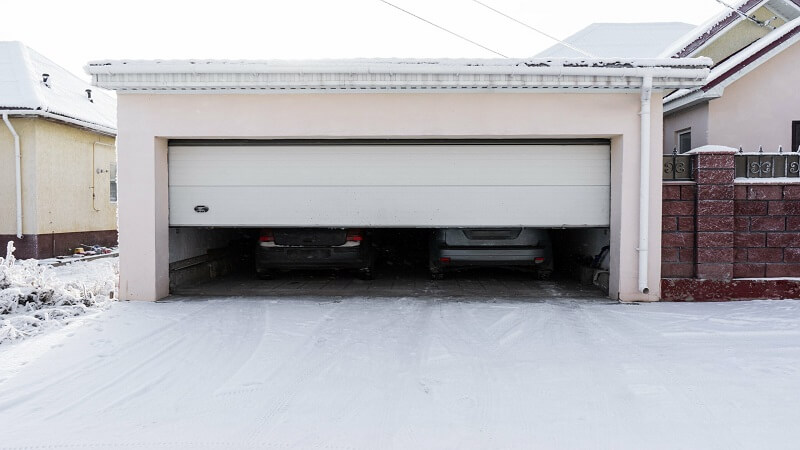
After a long winter, most homeowners expect to deal with messy yards or clogged gutters—but the garage entry area often ends up being the most neglected and visibly worn space. This high-traffic zone takes a daily beating from vehicles, foot traffic, and exposure to harsh weather conditions. Snow, ice, road salt, and debris accumulate over time, leaving behind stubborn stains and surface damage that can be difficult to ignore.
For many US homeowners, maintaining curb appeal and property value is a priority, yet this specific area often slips through routine cleaning efforts. Understanding why the garage entry suffers the most during winter—and how to address it effectively—can help prevent long-term damage and restore your home’s appearance.
The Impact of Winter Debris and Road Salt
One of the biggest culprits behind a dirty garage entry is road salt. During winter, vehicles carry salt, slush, and grime directly into your driveway and garage threshold. As temperatures fluctuate, this mixture melts and refreezes, embedding itself into concrete and other surfaces.
Over time, salt not only leaves unsightly white stains but can also break down concrete, leading to cracks and erosion. Combined with dirt and moisture, this creates a layer of buildup that regular sweeping simply can’t remove.
Many homeowners turn to professional house washing services to address these deeply embedded residues. These services use specialized techniques to safely remove salt deposits without damaging the surface.
Constant Traffic and Compacted Dirt
Unlike other parts of your home exterior, the garage entry area experiences constant use—even during winter. Every time a car enters or exits, it brings in mud, gravel, and debris. Foot traffic adds another layer of dirt, especially when shoes carry in slush and sand.
This repeated pressure compacts dirt into the surface, making it harder to clean with standard methods. Over time, the buildup becomes more noticeable, especially when the surrounding areas start to recover in spring.
The result is a patchy, stained entry point that stands out against otherwise clean surroundings. Without targeted cleaning, this area can quickly become the weakest link in your home’s overall appearance.
Moisture Retention and Poor Drainage
Winter conditions often highlight drainage issues that go unnoticed during warmer months. Melting snow and ice create excess water that tends to pool around the garage entry. If the area isn’t properly sloped, moisture can linger longer than it should.
This constant dampness encourages the growth of mold, mildew, and algae. Not only do these create dark stains, but they can also make surfaces slippery and unsafe. Additionally, prolonged moisture exposure accelerates wear and tear on concrete and sealants.
Addressing drainage and ensuring proper water flow can significantly reduce the post-winter mess. However, removing existing stains typically requires deeper cleaning solutions.
Lack of Seasonal Maintenance
Another reason garage entry areas look worse after winter is simple neglect. During colder months, most homeowners avoid outdoor maintenance tasks due to weather constraints. As a result, dirt and debris are left to accumulate unchecked.
By the time spring arrives, the buildup has hardened and spread, making it more difficult to clean. Regular seasonal maintenance—such as pre-winter sealing and post-winter washing—can prevent this issue from escalating.
Investing in routine upkeep not only improves aesthetics but also extends the lifespan of your driveway and garage surfaces.
Conclusion
The garage entry area endures some of the harshest conditions during winter, from salt exposure to heavy traffic and excess moisture. These factors combine to create stubborn stains, structural wear, and an overall neglected appearance.
By understanding the causes—such as debris buildup, drainage issues, and lack of maintenance—homeowners can take proactive steps to protect this critical space. Whether through regular cleaning routines or professional solutions, restoring your garage entry area can dramatically improve your home’s curb appeal.
Looking ahead, consistent seasonal care will be key. As weather patterns continue to fluctuate, maintaining exterior surfaces is no longer optional—it’s essential for preserving both functionality and long-term property value.