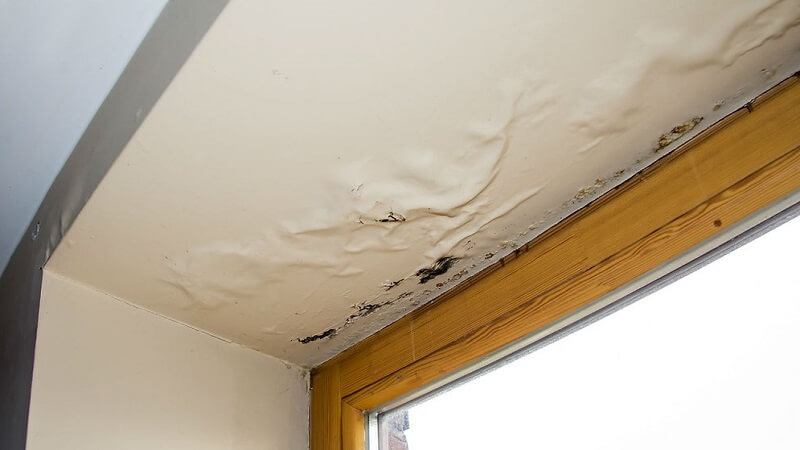
Most of us don’t spend a lot of time thinking about what is happening on top of our houses until a storm rolls through or we notice a weird spot on the ceiling. Your roof is the first line of defense against the elements, but it is not invincible. If you are living in a place with harsh winters or heavy rain, getting a professional roof repair Heber City service is the best way to stay ahead of disaster. Small cracks or missing shingles might seem like minor issues, but they are basically open invitations for water to make itself at home in your attic. Once that water gets inside, it starts a clock on a lot of expensive problems that no homeowner wants to deal with.
The Sneaky Nature of Roof Leaks
The biggest problem with roof damage is that it is often invisible from the ground. You might look up and think everything looks fine, while a small gap around a vent pipe is letting in a slow drip every time it rains. Water is patient and incredibly persistent. It will find the path of least resistance, flowing along rafters and soaking into insulation long before you ever see a puddle.
By the time you notice a yellow stain on your bedroom ceiling, the damage in the attic has likely been happening for weeks or even months. This is why being proactive is so important. Checking your roof after a high wind event or a heavy snowmelt can save you from a massive headache down the road. If you wait for the leak to become obvious, you are usually looking at a much larger repair bill.
How Water Ruins Your Insulation
Your attic insulation has one job, which is to keep your home at a comfortable temperature. When water enters through a damaged roof and hits that insulation, the material loses its ability to function. Fiberglass insulation, which is common in most homes, tends to mat down and clump up when it gets wet. Once it loses its loft, it can no longer trap air effectively, which means your heater or air conditioner has to work much harder to keep up.
Beyond the energy loss, wet insulation is a heavy mess. It holds onto moisture for a long time, creating a damp environment that is perfect for wood rot. If your rafters stay wet for long periods, they can begin to soften and lose their structural integrity. Replacing a few shingles is easy, but replacing the structural bones of your roof is a nightmare.
The Silent Threat of Mold and Mildew
One of the scariest parts of a leaky roof is what happens in the dark corners of your attic. Mold loves damp, stagnant environments. When water seeps through damaged roofing materials, it creates a breeding ground for spores. Within just twenty-four to forty-eight hours of moisture exposure, mold can start to grow on wooden beams, plywood, and drywall.
This isn’t just about an ugly smell. Mold in the attic can eventually find its way into your HVAC system and spread throughout the rest of the house. This can lead to respiratory issues and allergies for everyone living under that roof. Fixing the leak is only half the battle if you already have a mold colony growing over your head. Keeping the attic dry is the only way to ensure your indoor air quality stays safe.
Vulnerable Spots to Watch
Roof damage usually starts in specific areas that are more prone to wear and tear. The flashing, which is the metal material installed around chimneys and vents, is a common culprit. Over time, the sealant around these areas can dry out and crack, allowing water to slide right underneath.
Gutters are another factor to consider. If your gutters are clogged with leaves and debris, water can back up under the edge of the shingles. This is especially dangerous in the winter when ice dams form. When ice builds up at the edge of the roof, it forces melting water upward and under the roofing layers. Keeping those gutters clear and checking your flashing once a year can prevent most of the water intrusion issues people face.
Signs You Already Have a Problem
If you haven’t been in your attic lately, it might be time to grab a flashlight and take a look. Look for dark streaks on the underside of the roof deck or any signs of white, crusty deposits on the wood. These are clear indicators that water has been getting in. You might also notice a musty smell that doesn’t go away even when the weather is dry.
Another sign is seeing granules from your shingles in the downspouts of your gutters. This means your shingles are reaching the end of their life and are becoming brittle. Brittle shingles crack easily, and those cracks are the perfect entry points for moisture. If you see any of these signs, you need to act fast before the next big storm hits.
Final Word
Protecting your home starts with a solid roof that keeps the inside dry and comfortable. Ignoring a small leak today is the easiest way to end up with a moldy attic and a ruined ceiling tomorrow. If you suspect your home has caught some weather damage, reaching out for a quality roof repair Heber City specialist will give you the peace of mind you deserve. Taking care of your roof is an investment in your home’s future, so don’t let a little rain turn into a big disaster.