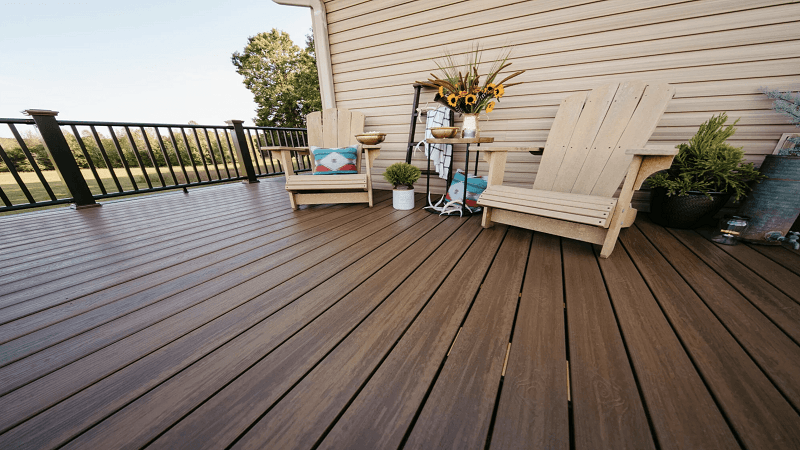
Your garden is where you come to breathe. It makes sense that what you build in it shouldn’t cost the planet anything it can’t afford to give.
For years, the outdoor living industry had a problem it didn’t talk about much. Beautiful decks, rotting in skips after a decade. Hardwood timber sourced from forests that took centuries to grow. Pressure treatments soaking into soil every time it rained. The aesthetic was lovely. The environmental reality, less so.
That conversation has shifted. Eco-friendly composite decking now gives homeowners something they couldn’t get before: an outdoor space that looks genuinely premium, lasts decades longer than timber, and is built from materials that would otherwise be sitting in landfill. It’s not a compromise. In almost every measurable way, it’s the better choice.
Here’s why that’s true, and how to make sure you’re buying the real thing.
The Environmental Problem With Traditional Decking
Timber feels natural because it is natural. That instinct isn’t wrong. But the supply chain behind a typical hardwood deck is worth understanding before you assume it’s the green option.
Tropical hardwoods like Ipe and Balau are among the most popular decking timbers in the UK. They’re dense, beautiful, and highly durable. They’re also harvested from old-growth forests in South America and Southeast Asia, where certified sustainable sourcing is inconsistent at best and actively misleading at worst. The FSC label helps, but it’s not a guarantee that the supply chain behind the board in your garden is as clean as the certification implies.
Softwood decking is less problematic in origin but far more demanding in maintenance. Annual treatments with oils, stains, and preservatives aren’t just inconvenient; they introduce chemicals into your garden soil and the wider drainage system every single time they’re applied. Multiply that by every treated deck in every garden across the UK and the cumulative impact is significant.
And then there’s the lifespan issue. Softwood decking realistically lasts eight to twelve years with proper maintenance. Many decks are replaced sooner. That’s a lot of material going to waste on a surprisingly short cycle.
What Makes Composite Decking Genuinely Eco-Friendly
The answer is in the ingredients.
Quality composite decking is manufactured from two primary materials: recycled wood fibre and recycled plastic. The wood fibre typically comes from sawmill offcuts and reclaimed timber waste, material that would otherwise serve no purpose. The plastic content comes from post-consumer recycled sources, predominantly plastic bags, bottles, and packaging that have already completed their intended lifecycle.
When you lay a composite deck, you’re not consuming new resources. You’re redirecting waste that already exists into something durable and useful. That’s a genuinely different environmental proposition from planting a freshly cut board.
The longevity factor matters here too. A premium composite deck carries a 25-year residential warranty and realistically performs well beyond that. Compare that with the replacement cycle of softwood timber and the environmental arithmetic is clear. Fewer replacements mean less manufacturing, less transportation, and less material going into waste streams over the lifetime of your garden.
The maintenance picture adds another layer. No oils. No stains. No preservatives going into your soil twice a year. Composite decking needs a wash with soap and water and nothing else. For a garden that’s meant to be a natural, living space, that matters more than most buyers realise when they’re standing in a showroom.
How to Tell Genuine Eco-Friendly Composite From Green Marketing
This is where the buying process requires a little more attention than most suppliers would like you to give it.
Not every composite board that claims environmental credentials actually delivers them. The phrase “made with recycled materials” can technically apply to a product with a small percentage of recycled content alongside a majority of virgin plastic. The marketing reads green. The reality is murkier.
When you’re evaluating a composite decking product on environmental grounds, ask specific questions rather than accepting headline claims.
What percentage of the board’s content is recycled material? A genuinely eco-friendly composite will typically contain 60 to 95 percent recycled content across the wood fibre and plastic components. Anything significantly below that range deserves scrutiny.
Where does the recycled plastic come from? Post-consumer recycled plastic carries a stronger environmental credential than post-industrial offcuts, though both are preferable to virgin material. The better suppliers are transparent about this.
Is the product itself recyclable at the end of life? Some composite boards can be returned to the manufacturing process and recycled again. This closed-loop approach is the highest standard available and worth prioritising if environmental impact is a genuine priority for your project.
Does the supplier operate any carbon offset or environmental commitment programme? This isn’t a dealbreaker either way, but it signals how seriously the business treats its environmental responsibility beyond the product specification.
Durability Is the Environmental Argument Nobody Talks About Enough
There’s a framing that often gets lost in conversations about eco-friendly materials: the most sustainable product is usually the one that lasts the longest.
A deck that needs replacing every ten years has a fundamentally worse environmental profile than one that performs well for thirty, regardless of what either is made from. Every replacement cycle involves manufacturing, transportation, installation waste, and disposal of the old material. Multiply those impacts by three replacements across the same timeframe and the supposedly natural timber option starts looking considerably less green.
Composite decking’s durability isn’t just a commercial selling point. It’s the core of its environmental case. Boards that are capped on all four sides, resistant to moisture, immune to rot and insect damage, and warranted for 25 years or more are boards that remove themselves from the replacement cycle almost entirely.
This is the calculation worth making when comparing a composite deck that costs more upfront against a timber option that costs less today. The composite isn’t just the more convenient choice over time. It’s the more environmentally responsible one.
Colour and Finish Choices for Eco-Conscious Buyers
Eco-friendly composite decking has moved a long way from the flat, obviously synthetic appearance of early products. The best boards available today combine recycled content with surface textures and colour depths that genuinely replicate the look of natural hardwood.
For buyers who chose timber partly for its aesthetic, this matters. There’s no environmental virtue in a deck you don’t like looking at.
Warm earthy tones work particularly well in garden settings with established planting. Sandy, driftwood, and weathered oak shades integrate naturally with green spaces and feel appropriate in outdoor environments without trying to impose a scheme on the garden.
Contemporary grey and charcoal boards suit more architectural gardens, clean-line landscaping, and modern extensions. They photograph well, hold their colour reliably, and have become increasingly popular as garden design has moved towards stronger, more considered aesthetic choices.
Whatever colour you’re drawn to, order samples and assess them outside in your specific garden conditions. Light changes everything. A shade that reads perfectly in a showroom can shift significantly against your particular walls, fencing, and planting.
Fast UK Delivery and What It Means for Your Project
Responsible purchasing doesn’t stop at the product itself. How that product reaches you is part of the environmental picture too.
Suppliers who hold stock in the UK rather than shipping to order from overseas have a smaller transportation footprint for each individual delivery. They can also fulfil orders faster, which matters practically for anyone working to an installation schedule.
Fast UK delivery means your project moves when you’re ready, not when a container clears customs. It means you can order with confidence that the boards will arrive in time for your installer. And for urgent projects or those replacing damaged sections of an existing deck, it means the disruption is measured in days rather than weeks.
When you’re comparing suppliers, ask directly where stock is held and what the realistic lead time is from order to delivery. The answer tells you a lot about how the business is structured and how reliable that timeline actually is.
Questions Worth Asking Before You Buy
What percentage of this board is made from recycled content?
Is the recycled plastic post-consumer or post-industrial?
Is the board recyclable at the end of life?
What is the full warranty coverage including fade, stain, and structural integrity?
Where is stock held and what is the UK delivery lead time?
Is there a free sample service so I can assess the colour and texture in my actual garden before committing?
A supplier who answers all of these clearly and confidently is a supplier who knows their product and stands behind it. Vague answers or deflection on any of these points is worth taking seriously.
The Smartest Garden Investment You Can Make Right Now
Building something beautiful that also does less harm is not a trade-off anymore. The materials exist. The technology is there. The products that deliver on both fronts are available, well-warranted, and priced competitively against timber alternatives that will cost you more in maintenance and replacement across any realistic timeframe.
An eco-friendly composite deck is a decision you make once. It sits in your garden for decades, requires almost nothing from you in return, and was built from materials that had already served their first purpose. That’s what good environmental design looks like in practice.
Shop the full range of eco-friendly composite decking with fast UK delivery at Assured Composite.