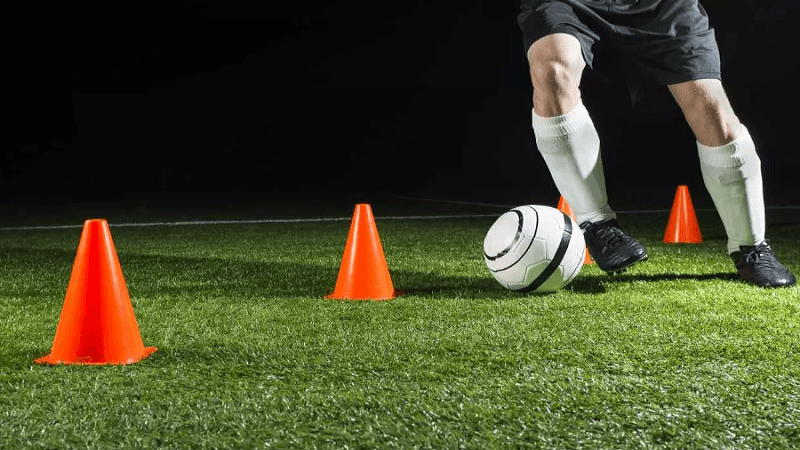
In recent years, the use of synthetic turf for sports has gained considerable attention as an effective alternative to natural grass. The advancement in technology and materials used in manufacturing synthetic turf has led to products that not only replicate the feel of natural grass but also enhance the performance and safety of players across various sports.
The Evolution of Synthetic Turf
Synthetic turf, once regarded with scepticism due to poor quality in the early days, has evolved significantly. Modern synthetic turfs are designed to withstand heavy usage and extreme weather conditions while maintaining their pristine condition. The fibres used are more durable and offer a playing surface that is consistent and reliable throughout its lifespan.
Key Benefits of Synthetic Sports Turf
One of the primary benefits of synthetic turf is its ability to remain green and usable under a variety of climatic conditions. It provides a stable and secure surface that reduces the likelihood of injuries often caused by uneven or slippery natural grass surfaces. The maintenance required is minimal, eliminating the needs for mowing, watering, and fertilising.
Performance Enhancement
Synthetic turf enables athletes to perform at their best, thanks to its uniform surface which offers consistent ball bounce and player footing. This reliability is crucial in enhancing game strategy and player confidence.
Extended Playability
Unlike natural grass fields, synthetic sports turf can be used continuously without the risk of wear and tear. This flexibility allows for more games and practice sessions, significantly benefiting sports clubs and schools with demanding schedules.
Safety First
Safety is a pivotal factor when selecting playing surfaces. Premium synthetic turfs are engineered to reduce impact injuries by incorporating shock-absorbing layers. These layers help in minimising stress on players’ joints and muscles, thus promoting a safer playing environment.
Environmental Impact
Another compelling advantage of synthetic turf is its influence on environmental conservation. By eliminating the need for water, pesticides, and fertilisers, synthetic turf contributes to water conservation and reduces the environmental footprint of sports facilities.
Customisation for Different Sports
Synthetic turf offers versatility that can be tailored to suit different sports requirements. Whether for football, rugby, hockey, or tennis, each synthetic turf can be customised to meet the specific demands of the game, such as durability levels, fibre length, and density.
Installation and Longevity
The installation of synthetic turf is a straightforward process, especially when handled by professionals. Once installed, these turfs require little upkeep. With proper maintenance, high-quality synthetic turfs can last well over a decade, providing long-term cost savings for clubs and facilities.
Cost Considerations
While the initial investment for installing synthetic turf may be higher compared to natural grass, the long-term maintenance costs are significantly lower. The reduction in water and maintenance personnel expenses results in substantial savings over time.
Synthetic Turf: The Future of Sports Fields
With sports institutions seeking sustainable and durable solutions for their fields, synthetic turf emerges as the future of sports infrastructure. As technology continues to advance, the quality and performance of synthetic turfs are expected to improve even further, offering unparalleled benefits for players, coaches, and facility managers alike.
The integration of premium synthetic turf solutions like those offered by Luxe Turf ensures that players not only enjoy enhanced performance but also play on a surface that prioritises safety and durability.