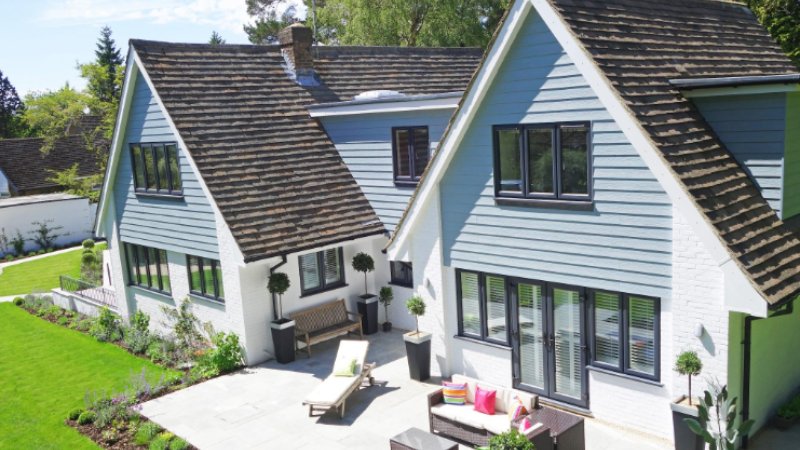
A balanced home exterior feels calm before anyone can explain why. The windows, entry, garage, lighting, materials, landscaping, and small architectural details all seem to belong in the same visual conversation. Nothing feels too heavy, too empty, or awkwardly placed. This kind of balance does not always require perfect symmetry. In many homes, especially contemporary ones, balance comes from proportion, spacing, contrast, and the thoughtful placement of features that guide the eye.
When an exterior lacks balance, the problem is often subtle. One side of the façade may feel visually empty, while another area carries too many fixtures, signs, plants, or decorative accents. A garage may dominate the front view. A dark entry may disappear. A porch may feel unfinished because it lacks a clear focal point. Improving visual balance means adjusting how exterior elements share attention, so the home feels more complete without becoming crowded.
Why Balance Matters in Exterior Design
Visual balance affects how people understand a home from the street. A well-balanced exterior appears intentional, maintained, and easier to read. The eye can move naturally from the driveway to the entry, from windows to lighting, and from landscaping to architectural details. When balance is missing, the exterior may look unfinished even if the materials are expensive and the home is structurally attractive.
Balance is not about making both sides of a home identical. A façade can be asymmetrical and still feel stable. A large garage can be balanced by a strong entry feature. A plain wall can gain rhythm through lighting, address numbers, or landscaping. A tall door can feel grounded by planters or hardware. The goal is to give each visible area enough visual weight without letting one feature bully the whole composition like a sofa blocking a hallway.
What Exterior Detail Improves Balance Without Dominating the Design?
Visual balance depends on how exterior elements share attention across a façade. When one area feels empty and another feels crowded, the home can appear less cohesive even when high-quality materials and finishes are present. Architects often address this challenge by introducing features that contribute structure, scale, and purpose without overwhelming the overall composition. Among the details that accomplish this effectively, Modern House Numbers provide a subtle architectural counterweight because they add recognizable form, visual rhythm, and functional value within a relatively small footprint.
Exterior composition relies on relationships between elements rather than individual features. Lighting fixtures, entry doors, windows, and hardware each contribute to the visual hierarchy of a home. An address display strengthens those relationships by occupying a defined position that helps organize surrounding details and create a clearer sense of proportion.
The effect becomes more noticeable in contemporary architecture, where fewer decorative elements carry greater responsibility within the design. A carefully selected number display introduces geometry and contrast that complement nearby architectural features while maintaining the simplicity expected of a modern façade.
Balance does not require symmetry or excessive ornamentation. Instead, it emerges when each element contributes appropriately to the overall composition. A thoughtfully integrated address display supports that goal by providing both practical identification and architectural structure. The result is an exterior that feels more intentional, visually stable, and cohesively designed without relying on larger renovations or additional decorative features.
Start by Studying the Main Visual Weight
Every exterior has areas that naturally carry more weight. A garage door, large window, front door, chimney, porch roof, or broad wall surface can dominate attention. Before adding new features, homeowners should step back and identify which parts of the façade feel heavy and which feel empty. This simple review helps determine whether the home needs stronger entry definition, cleaner landscaping, better lighting, or a small architectural accent to restore proportion.
Garage areas often influence balance more than homeowners expect. Large doors, exposed hardware, and wide driveways can pull attention away from the entry. This becomes especially relevant in demanding environments, where garage components may need extra durability and maintenance. A discussion of garage hardware for coastal family homes shows how exterior functionality and visual presentation often overlap. When garage details look cared for and coordinated, they help the whole façade feel more controlled.
Give the Entry Enough Presence
A front entry should not disappear beside larger exterior features. If the garage, windows, or landscaping dominate the view, the door area may need stronger lighting, clearer address placement, better hardware, or more structured planters. These additions do not need to be oversized. They simply need enough presence to make the entry feel like the natural destination.
Use Repetition to Create Rhythm
Repetition is one of the easiest ways to improve balance. Repeating a finish, shape, or material helps the exterior feel connected. Black lighting can relate to black door hardware. Brushed metal house numbers can connect with a mailbox finish. Rectangular planters can echo modern windows or paver lines. These quiet repetitions create rhythm, allowing separate features to feel like parts of one composition.
The repetition should be controlled. Too much matching can feel stiff, while too many unrelated finishes can feel chaotic. A balanced exterior usually works best with a limited palette of materials and colors. When the same visual language appears in several places, the eye moves comfortably across the façade instead of stopping at every disconnected detail.
Balance Landscaping With Architecture
Landscaping can either support visual balance or disturb it. Tall shrubs on one side, empty beds on the other, overgrown plants near the doorway, or planters that are too small for the entry can make the exterior feel uneven. Plants should frame the architecture, soften hard surfaces, and guide attention without hiding important features such as address numbers, lighting, steps, or windows.
Seasonal changes also affect balance. A home may look full and lively in summer but bare in winter if the landscape depends only on flowers or leafy growth. Homeowners can use ideas from winter curb appeal strategies to understand how structure, evergreens, containers, and visible architectural details can keep the exterior balanced when plants are dormant. A good façade should not lose its composure when the garden takes a nap.
Leave Clear Space Around Key Features
Balance often improves when important features have breathing room. Address numbers, lighting, door hardware, and mailboxes should not be crowded by plants or decorations. Clear space around these elements allows them to function visually and practically. A clean visibility zone makes the exterior easier to read and prevents small details from being swallowed by surrounding objects.
Use Lighting to Correct Uneven Attention
Lighting can reshape the way a home is perceived, especially after sunset. A dark entry may feel weak beside a bright garage. A shadowed walkway may make the approach unclear. A wall with no lighting may feel flat compared with other areas of the façade. Carefully placed fixtures can restore balance by highlighting important features and creating a more even visual flow.
The best lighting supports both function and composition. Entry lights should help visitors find the door. Address lighting should make numbers readable. Path lighting should guide movement without creating clutter. Fixture size also matters. A tiny sconce beside a large door may look lost, while an oversized fixture can overpower the entry. Scale should match the surrounding architecture.
Brand Section: Small Details That Stabilize the Façade
Modern address numbers can help stabilize a façade because they add form, contrast, and purpose in a compact way. They create a defined visual point near the entry or another street-facing surface, helping the exterior feel more organized. Their role is practical, but their design effect can be architectural when scale, spacing, finish, and placement are handled carefully.
This kind of detail works especially well when it relates to nearby features. A number display can coordinate with lighting, door hardware, mailbox finishes, railing, or exterior materials. It does not need to dominate the façade to improve balance. Its strength comes from precision and restraint, adding just enough visual weight to make the home feel more complete.
Review the Exterior From Multiple Distances
A home exterior should be evaluated from the curb, the driveway, the walkway, and the front door. From the curb, homeowners can judge overall balance and visibility. From the driveway, they can see whether the garage overwhelms the entry. From the walkway, they can assess lighting, plants, and address placement. From the door, they can notice close-up details such as hardware, finish quality, and spacing.
This multi-distance review often reveals simple improvements. A planter may need to move. A light fixture may need a better scale. A number display may need stronger contrast. A shrub may need trimming. Small adjustments can bring the exterior into better balance without a full renovation. The magic is not in adding more, but in placing better.
Conclusion
Better visual balance on a home exterior comes from proportion, placement, repetition, lighting, landscaping, and thoughtful architectural details. A balanced façade does not need perfect symmetry or heavy decoration. It needs each visible feature to contribute the right amount of visual weight while supporting the home’s function and style.
Homeowners can improve balance by strengthening the entry, coordinating finishes, keeping landscaping controlled, supporting nighttime visibility, and using small details that add structure without clutter. When these elements work together, the exterior feels calmer, more intentional, and more complete from the street to the front door.