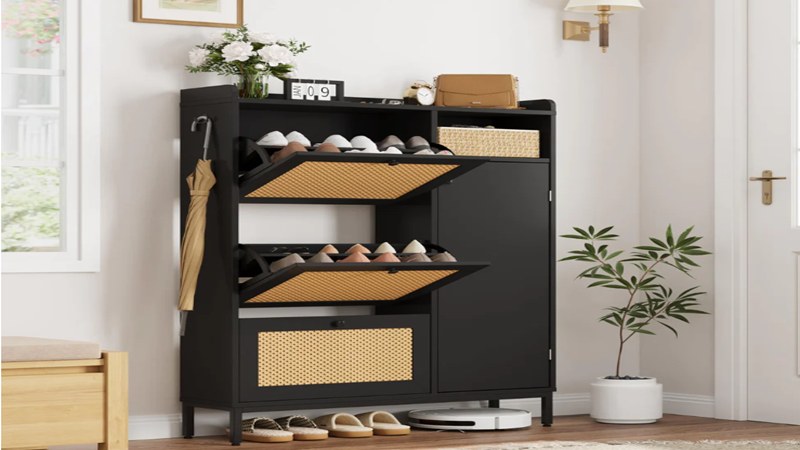
Busy family mornings rarely begin calmly. Someone is searching for a missing sneaker, another person is blocking the doorway, school bags are on the floor, and the dog is probably walking through the pile of shoes. It may seem like a small household issue, but messy footwear can quietly steal time every single day. That is why a simple shoe organizer can become one of the most useful habits in a family home.
Good entryway shoe storage is not just about making the house look neat. It helps everyone know where their shoes belong, where to find them, and how to leave the house faster. For parents, children, guests, and even grandparents, a clear system makes daily movement smoother. When family shoe organization becomes part of the routine, the entryway stops feeling like a problem area and starts working like a helpful part of the home.
Why the Entryway Matters More Than Most Families Realize
The entryway is the first and last place your family uses every day. It welcomes everyone home, but it also controls how quickly people leave. When this space is crowded with shoes, bags, umbrellas, and jackets, small delays happen again and again.
A child may forget where they left their school shoes. A parent may step over several pairs while carrying groceries. Guests may feel unsure where to put their footwear. Over time, this creates stress, especially during busy mornings.
A well-planned shoe storage cabinet can change that experience. It gives every pair a proper place and keeps the floor clear. Instead of treating the entryway as a dumping zone, families can turn it into a simple “launch station” for the day.
The best part is that the habit does not require a major renovation. It only needs a practical system that fits the size of the home and the lifestyle of the people living there.
The Simple Habit: Shoes Go Back Before Anything Else
The habit is easy: every family member puts their shoes back in the same place as soon as they enter the home.
That sounds almost too simple, but it works because it removes decision-making. Nobody needs to wonder where to place their sneakers, sandals, boots, or school shoes. The system is already decided.
A practical Shoe Organizer helps this habit stick because it creates a clear home for every pair. Children learn faster when the system is visible and easy to use. Parents benefit because they no longer need to tidy the entryway several times a day.
To make this habit work, keep the rules simple:
- Everyday shoes should be the easiest to reach.
- Seasonal shoes should be stored higher or farther back.
- Each family member should have a specific space.
- Wet or muddy shoes should have a separate tray.
- Shoes that are rarely worn should not stay near the door.
This kind of family shoe organization saves time because the same actions happen every day without extra thinking.
How a Shoe Storage Cabinet Helps Control Daily Clutter
Open shoe racks can work well for some homes, but many families prefer a shoe storage cabinet because it hides visual clutter. When shoes are behind doors or inside drawers, the entryway instantly feels cleaner.
This matters in family homes because clutter spreads quickly. One pair becomes three. Three pairs become ten. Before long, the doorway feels crowded and messy.
A cabinet-style solution gives the space a calmer look. It also protects shoes from dust and keeps pets from chewing or moving them. For apartments, townhomes, and compact houses, this can make a big difference.
When choosing a shoe storage cabinet, think about real family needs rather than just appearance. Ask:
- How many people use the entryway daily?
- How many pairs need to be stored near the door?
- Are there boots, slippers, school shoes, or sports shoes?
- Does the cabinet need a top surface for keys or bags?
- Should children be able to reach their own section?
The right cabinet supports the family’s natural routine instead of forcing everyone to follow an unrealistic system.
Entryway Shoe Storage for Faster Mornings
Morning delays usually happen because small things are not ready. Shoes are one of those small things. When every pair has a fixed place, leaving the house becomes easier.
Good entryway shoe storage works best when it matches the rhythm of the family. For example, school shoes should be placed at a child-friendly height. Work shoes should be near the front. Sports shoes should have a separate section if they are used often.
The goal is not perfection. The goal is speed and consistency.
Imagine a weekday morning where everyone knows exactly where their shoes are. Children grab their own pairs. Parents do not have to search under furniture. No one is shouting, “Where is my other shoe?” That is the real value of an organized entryway.
A smart entryway shoe storage setup also reduces cleaning time. When shoes stay off the floor, sweeping and mopping become easier. Dirt stays in one zone instead of traveling through the hallway, living room, or bedrooms.
Creating Zones for Better Family Shoe Organization
One of the easiest ways to improve family shoe organization is to create zones. A zone simply means each person or shoe type has a clear place.
For example:
Zone 1: Everyday Shoes
This section should hold the shoes your family wears most often. These might include school shoes, work shoes, walking shoes, or casual sneakers. Keep this area at the most accessible height.
Zone 2: Guest Shoes
If guests often visit, leave a little open space for them. This prevents their shoes from being scattered near the door.
Zone 3: Seasonal Footwear
Rain boots, winter boots, or summer sandals do not need to be front and center all year. Store them in a lower or upper section depending on how often they are used.
Zone 4: Sports and Outdoor Shoes
Sports shoes, muddy shoes, and outdoor footwear should have a separate place. This keeps dirt away from clean everyday pairs.
When these zones are easy to understand, family shoe organization feels natural. Even young children can follow the system when they know, “My shoes go here.”
The Small Time Savings Add Up
Saving two or three minutes in the morning may not sound like much. But for busy families, those minutes matter.
If a family wastes five minutes every morning looking for shoes, that becomes 25 minutes each school week. Over a month, that can add up to nearly two hours. Over a year, it becomes many stressful mornings that could have been avoided.
A shoe organizer solves a simple problem before it becomes a daily frustration. It helps families move from one task to the next without unnecessary searching or cleanup.
This is especially helpful for families with young children. Kids often need repeated reminders, but an easy system reduces the number of reminders parents must give. Instead of saying, “Put your shoes away” again and again, parents can simply point to the correct spot.
Design Tips for a Cleaner, More Practical Entryway
An organized entryway should feel useful, not stiff or overly styled. The best setup is one your family can actually maintain.
Here are a few practical design tips:
- Choose closed storage if the entryway is visible from the living room.
- Use open shelves if your family needs quick grab-and-go access.
- Add a bench if children need a place to sit while putting on shoes.
- Keep a small mat nearby for wet footwear.
- Label sections for younger kids.
- Do a weekly reset to remove shoes that do not belong near the door.
A good shoe storage cabinet can also double as a decorative piece. The top surface can hold a small basket for keys, a plant, or a tray for daily items. This helps the entryway feel intentional instead of crowded.
For families who want a simple upgrade, browsing a practical Shoe Organizer collection can help match storage needs with the available space.
Teaching Children the Habit Without Nagging
Children are more likely to follow a system when it is simple and visual. If they have to open a heavy door, reach a high shelf, or remember a complicated rule, they may avoid it.
Keep their shoe area low and easy to access. Use baskets, cubbies, or a clearly assigned shelf. You can even make it part of the coming-home routine:
- Come inside.
- Take off shoes.
- Place shoes in the correct spot.
- Hang bag or jacket.
- Wash hands.
When repeated daily, this becomes automatic. Over time, children learn responsibility without feeling like they are doing a big chore.
This is where entryway shoe storage becomes more than furniture. It becomes part of how the home runs.
Mistakes to Avoid When Organizing Family Shoes
Even a good system can fail if it does not match real life. Here are common mistakes families should avoid:
Keeping Too Many Shoes at the Door
Only daily or weekly shoes should stay in the entryway. Extra pairs create clutter and make the system harder to maintain.
Choosing Style Over Function
A beautiful cabinet is useful only if it fits the family’s shoes and habits. Measure first, then choose.
Ignoring Children’s Access
If kids cannot reach their section easily, shoes will end up on the floor.
Forgetting About Wet Shoes
Rainy days and muddy shoes need a plan. A simple tray can prevent dirt from spreading.
Not Resetting the Space
A quick weekly reset keeps the area working. Remove out-of-season shoes and return misplaced pairs to bedrooms or closets.
FAQ
1. What is the best way to organize shoes for a busy family?
The best method is to give each family member a dedicated space. Keep everyday shoes near the door and move rarely used pairs to closets. This makes family shoe organization easier to maintain.
2. Is a shoe storage cabinet better than an open rack?
A shoe storage cabinet is better if you want a cleaner look and less visible clutter. An open rack is better for quick access. The right choice depends on your entryway size and daily routine.
3. How many shoes should be kept in the entryway?
Keep only the shoes your family wears often. For most homes, two or three pairs per person is enough. Extra shoes should be stored elsewhere.
4. Can entryway shoe storage work in a small apartment?
Yes. Slim cabinets, vertical shelves, and compact cubbies work well in small spaces. The key is choosing storage that uses height instead of taking up too much floor space.
5. How do I get kids to use a shoe organizer?
Make their section easy to reach and simple to understand. Low shelves, labels, or personal cubbies can help children build the habit naturally.
Conclusion
The entryway may be a small part of the home, but it has a big effect on daily family life. When shoes are scattered, mornings feel slower, cleaning takes longer, and everyone starts the day with unnecessary stress. A shoe organizer creates a simple routine that helps every family member know where their shoes belong.
With the right entryway shoe storage, busy families can save time, reduce clutter, and make the home feel calmer from the moment they walk in. A practical shoe storage cabinet or organized shelf system does more than hold footwear. It supports smoother mornings, easier evenings, and better family shoe organization every day. Small habits often create the biggest changes, and this is one habit that truly pays off.