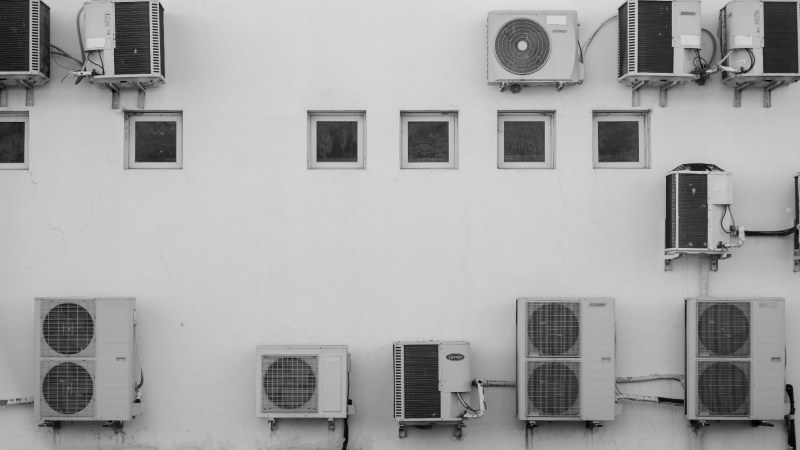
Energy consumption in cooling systems has become a major concern as demand for comfortable indoor environments continues to rise across residential, commercial, and industrial settings. Air conditioning and refrigeration companies are responding by developing technologies that reduce electricity use while maintaining consistent performance. These improvements are driven by rising energy costs, environmental concerns, and stricter efficiency standards.
Modern systems now incorporate advanced engineering concepts that allow cooling units to operate more intelligently and with less waste. As innovation continues to advance, these developments are reshaping how cooling solutions are designed, installed, and maintained across different environments worldwide for everyday use.
Key Energy-Saving Innovations
High-Efficiency Compressor Design
High-efficiency compressors play a major role in reducing energy consumption in modern cooling systems. These components are designed to adjust their output based on cooling demand rather than operating at a constant speed. This reduces unnecessary power usage during periods of lower demand and improves overall system longevity. Manufacturers have introduced improved rotor designs, precision engineering, and reduced-friction materials to enhance performance. By minimizing energy loss during compression cycles, these systems can deliver consistent cooling while using less electricity. The integration of improved lubrication methods also contributes to smoother operation and reduced wear.
Over time, these advancements help lower operational costs and reduce strain on electrical grids, especially in large commercial installations where cooling demand is continuous throughout the day and night. These improvements are increasingly important as urban infrastructure expands and energy efficiency regulations push manufacturers toward more sustainable design approaches across global markets in the coming years.
Variable Speed Drive Technology
Variable speed drive technology enables cooling systems to adjust motor speed according to real-time demand rather than running at full capacity constantly. This approach significantly reduces energy waste, improves system responsiveness, and supports more stable indoor temperature control. Companies such as ACR Air Conditioning & Refrigeration have adopted these systems to improve operational efficiency across different facility types. These systems are often integrated with building management platforms that monitor energy consumption and adjust performance automatically. By aligning motor output with cooling demand fluctuations, energy usage can be significantly reduced without compromising comfort levels.
This innovation is widely used in commercial refrigeration units, industrial chillers, and large HVAC installations where load variability is high. By optimizing power draw during partial-load conditions, these systems also extend equipment lifespan and reduce maintenance interruptions in demanding environments. These benefits contribute to long-term sustainability goals for cooling infrastructure. Across urban and industrial sectors globally
Smart Thermostat Integration
Smart thermostat integration allows air conditioning systems to respond dynamically to occupancy patterns and environmental conditions. These devices collect real-time data using sensors that detect temperature, humidity, and presence in different zones of a building. By adjusting cooling output based on actual occupancy, they prevent unnecessary energy use in empty or lightly used spaces. This approach also improves comfort levels by ensuring that occupied areas receive appropriate cooling while reducing strain on the system. In commercial buildings, smart thermostats are often linked to centralized control systems that coordinate multiple floors and zones efficiently.
Machine learning features embedded in newer thermostat systems further refine cooling schedules by analyzing historical usage patterns and predicting future demand shifts, resulting in smoother operation and reduced energy spikes during peak hours. These advancements support more efficient building operations overall across facilities
Heat Recovery Systems
Heat recovery systems capture waste heat generated by refrigeration and air conditioning equipment and reuse it for other building needs. This process improves overall energy efficiency by reducing the amount of energy required for separate heating systems. Recovered heat can be used for water heating, space heating, or industrial processes, depending on facility requirements. This reduces reliance on additional fuel sources and lowers operational costs over time. Many modern cooling installations are designed with integrated heat recovery modules that automatically redirect thermal energy where needed. Such systems are particularly useful in hotels, hospitals, and manufacturing plants where both heating and cooling demands exist simultaneously.
By capturing otherwise wasted thermal energy, these systems reduce overall greenhouse gas emissions associated with building climate control operations. These strategies are increasingly adopted in sustainable building design frameworks worldwide. Energy reuse also supports long-term resilience in urban infrastructure systems. Especially under rising demand conditions globally
Eco-Friendly Refrigerants
Eco-friendly refrigerants are replacing older chemical compounds that contribute significantly to ozone depletion and global warming. These newer substances are designed to have lower global warming potential while maintaining effective cooling performance. Manufacturers are investing in research to develop refrigerants that meet international environmental regulations without sacrificing efficiency. Transitioning to these alternatives often requires system modifications, but results in reduced environmental impact over time. Leak detection and containment improvements also play a role in preventing harmful emissions during operation and maintenance.
Many companies are phasing out high-impact refrigerants in favor of blends that comply with evolving climate standards. These changes are influencing design choices across the entire cooling industry as environmental regulations become more stringent worldwide. Long-term adoption of safer refrigerants supports healthier ecosystems and improved air quality in urban environments. Industry collaboration accelerates innovation in this area. Across global markets, driving continuous improvement efforts and regulatory compliance growth sustainably
Advanced Insulation and Airflow Control
Advanced insulation and airflow control techniques play a critical role in reducing energy loss in air conditioning and refrigeration systems. Proper insulation prevents thermal leakage, ensuring that cooled air remains within targeted environments for longer periods. Airflow control systems regulate the distribution of conditioned air, preventing uneven temperature zones and reducing unnecessary strain on equipment. These improvements enhance system efficiency by minimizing energy loss through ducts, walls, and poorly sealed areas. Modern building designs increasingly incorporate advanced insulation materials that maintain stable indoor climates with reduced energy demand. Air balancing techniques are also used to ensure consistent airflow across different rooms and zones.
Weatherization strategies further improve efficiency by sealing gaps and preventing unwanted heat exchange between indoor and outdoor environments. These methods reduce energy consumption significantly in both residential and commercial buildings. Supporting long-term operational savings and system reliability improvements. Across infrastructure sectors, especially in growing urban regions globally
Energy-saving innovations in air conditioning and refrigeration systems continue to transform how buildings manage temperature control while reducing environmental impact. These advancements integrate engineering improvements, digital technologies, and smarter resource management strategies that help lower overall electricity consumption. Companies across the sector are focusing on long-term sustainability by designing systems that adapt to changing energy demands efficiently. IoT, heat recovery, and refrigerant improvements contribute significantly to reducing operational costs and improving system reliability in various applications. Leading companies continue to refine these systems for future performance gains.