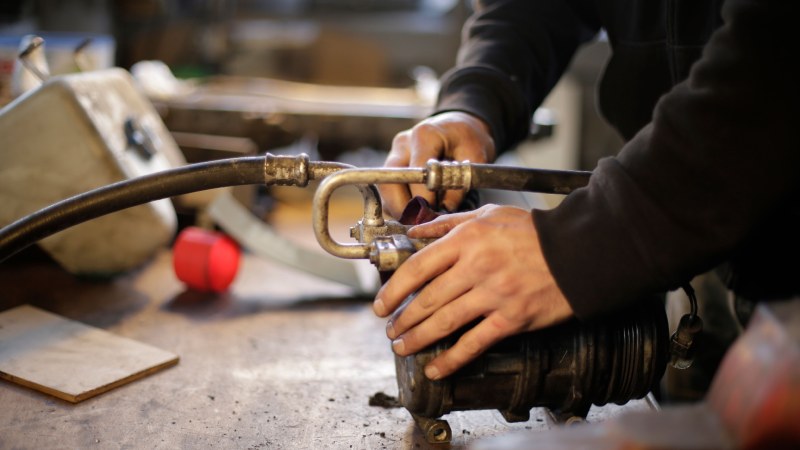
A furnace that starts and then stops quickly can leave a home uncomfortable and raise concern about system safety. This problem is often called short cycling, meaning the furnace does not complete a normal heating cycle. The cause may involve airflow restrictions, dirty sensors, thermostat issues, overheating, ignition problems, or parts wearing out. Furnace repair service helps identify the cause of repeated starts and stops. When the issue is corrected early, the furnace can heat more steadily, use energy more wisely, and avoid extra strain during cold weather.
Short Cycling Problems
Finding the Reason Behind Quick Shutoffs
Furnace repair service helps fix short cycling by identifying why the system turns off before the home reaches the right temperature. A furnace may start normally, run for a brief time, and then shut down because a safety control senses trouble. This can happen when the unit overheats, airflow is blocked, ignition is weak, or the flame sensor cannot confirm safe burner operation. Homeowners contacting Quality Comfort Services, Inc. may need help when the furnace repeats this pattern several times in a short period. A repair technician can watch the startup sequence, listen for unusual sounds, check error codes, and test how long the furnace runs before shutting down. This step matters because short cycling is a symptom, not the full cause. Guessing can lead to replacing the wrong part while the real problem continues. A careful diagnosis helps protect the system and restore dependable heating.
Checking Airflow Restrictions and Filters
One common reason a furnace starts and stops quickly is restricted airflow. A furnace needs steady air movement to carry heat away from the heat exchanger and into the home. If a clogged air filter, blocked return vents, restricted ducts, or closed registers reduce airflow, heat can build up inside the unit. When this happens, the furnace may shut itself down to prevent overheating. Furnace repair service includes checking the filter, blower area, return openings, and supply airflow to see whether the system can breathe properly. A technician may also look for crushed duct sections, heavy dust buildup, or airflow problems caused by furniture blocking vents. Replacing a dirty filter may sound simple, but the repair visit also helps confirm whether the furnace has been overheating long enough to damage other parts. Restoring airflow helps the furnace run longer, safer cycles and deliver heat more evenly through the home.
Cleaning or Replacing the Flame Sensor
A dirty flame sensor can also cause a furnace to start and then stop quickly. The flame sensor is a safety part that confirms the burner flame is present after ignition.If residue, corrosion, or dust coats the sensor, it may fail to read the flame correctly. The furnace may ignite, run for a few seconds, and then shut down because the control board detects no flame. Furnace repair service can solve this by inspecting, cleaning, or replacing the flame sensor when needed. This repair helps the furnace recognize safe burner operation and continue the heating cycle. A technician can also check the ignition system, burners, gas flow, and wiring connected to the flame sensor. This matters because a quick shutoff may seem like a thermostat problem, but the real issue may be part of the ignition safety sequence. Proper sensor function supports safer and steadier heat.
Testing Thermostat and Control Settings
A furnace can short-cycle if the thermostat is not reading the home temperature correctly or if its settings do not match the heating system. If a thermostat is placed near a warm vent, a sunny window, a kitchen, or a drafty hallway, it may signal the furnace to stop too soon. Incorrect programming, weak batteries, loose wiring, or improper calibration of the thermostat can also interrupt heating cycles. Furnace repair service includes testing the thermostat response, checking wiring connections, and confirming that the furnace receives the right heating command. In some homes, the thermostat may be working, but the location causes it to sense temperature changes too quickly. A repair technician can explain whether relocation, recalibration, or changes to settings may help. Good thermostat control allows the furnace to run long enough to warm the home evenly. Without accurate control, the furnace may keep starting and stopping while rooms remain uncomfortable.
Inspecting Safety Controls and Overheating Issues
Furnaces include safety controls that protect the home and the equipment. If the system overheats, pressure becomes incorrect, venting becomes restricted, or a limit switch detects unsafe conditions, these safety controls may shut down the furnace early.Furnace repair service helps determine whether these safety controls are responding properly or if one is failing. A technician may test the limit switch, pressure switch, inducer motor, venting path, blower operation, and heat exchanger airflow. This type of inspection is important because repeated overheating can damage the furnace and may indicate a larger issue within the system. Ignoring safety shutdowns can lead to more serious repair needs later. The goal is not to bypass a safety control but to determine why it is stopping the furnace. When technicians repair the cause, the furnace can complete normal heating cycles without constantly triggering protective shutdowns.
Furnace repair service helps fix a furnace that starts and then stops quickly by identifying the cause of short cycling. The problem may come from poor airflow, a dirty flame sensor, thermostat trouble, overheating, safety controls, or worn parts.A technician conducts a repair visit to carefully test the system instead of relying on guesswork. After correcting the cause, the furnace runs longer, steadier cycles and heats the home more evenly.Timely repair also helps prevent wasted energy, repeated breakdowns, and extra strain on important furnace components during cold weather.