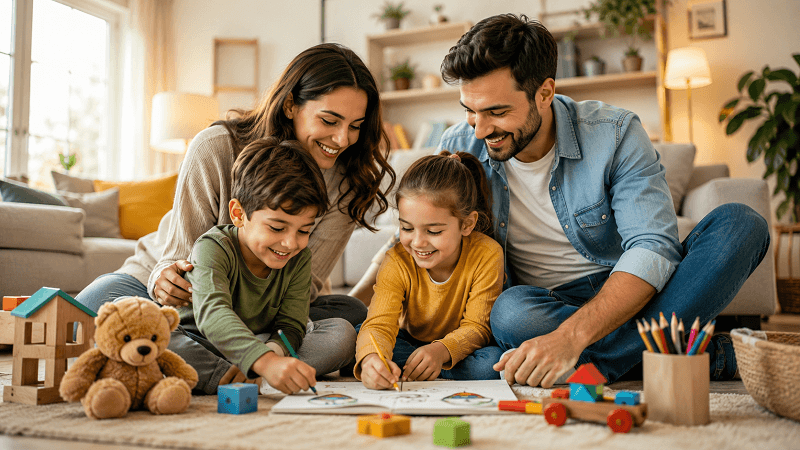
Parenting is one of the most meaningful and rewarding experiences in life, but it also comes with challenges. Every child is unique, and there is no single parenting method that works for every family. Building strong relationships, creating healthy routines, and supporting your child’s emotional, physical, and mental development all require patience, consistency, and a willingness to learn.
This advice famparentlife guide is designed to provide practical, realistic, and easy-to-follow parenting strategies for every stage of family life. Whether you are a first-time parent or have years of experience, these tips will help you create a loving home where every family member can thrive.
Understanding the Importance of Positive Parenting
Positive parenting focuses on respect, encouragement, and communication instead of punishment and fear. Children grow best when they feel safe, valued, and understood.
Parents who practice positive parenting often notice:
- Better communication
- Stronger emotional connections
- Improved behavior
- Higher self-confidence in children
- Less stress at home
Children learn by watching adults. Every conversation, reaction, and decision teaches valuable life lessons.
Build Strong Communication Every Day
Communication is the foundation of every healthy relationship.
Children need to know they can talk openly without fear of criticism.
Ways to improve communication include:
- Listen without interrupting.
- Make eye contact.
- Ask open-ended questions.
- Encourage children to express emotions.
- Avoid judging too quickly.
Instead of asking:
“Did you have a good day?”
Try asking:
- What made you smile today?
- What was the most interesting thing you learned?
- Was anything difficult today?
These questions encourage meaningful conversations.
Create Healthy Daily Routines
Children feel secure when they know what to expect.
A structured daily routine helps reduce stress and improves behavior.
A healthy routine should include:
- Regular wake-up time
- Nutritious meals
- Homework time
- Outdoor activities
- Family conversations
- Reading
- Consistent bedtime
Simple routines create stability that supports emotional development.
Encourage Independence
Parents naturally want to help, but doing everything for children can limit their growth.
Encourage independence by allowing children to:
- Dress themselves
- Organize school supplies
- Make simple decisions
- Help prepare meals
- Clean their rooms
- Solve age-appropriate problems
These responsibilities build confidence and responsibility.
Teach Emotional Intelligence
Understanding emotions is just as important as academic success.
Help children recognize emotions by naming them.
Examples include:
- Happy
- Sad
- Angry
- Nervous
- Excited
- Frustrated
Teach them healthy coping skills such as:
- Deep breathing
- Counting to ten
- Talking about feelings
- Drawing
- Writing in a journal
Children who understand emotions often develop healthier relationships.
Spend Quality Time Together
Quality matters more than quantity.
Even 20 minutes of focused family time each day strengthens relationships.
Ideas include:
- Reading books
- Playing board games
- Cooking together
- Going for walks
- Gardening
- Watching educational documentaries
- Craft projects
Avoid distractions like phones during family activities.
Encourage Reading
Reading develops imagination, language, creativity, and critical thinking.
Create a reading-friendly environment by:
- Visiting libraries
- Reading before bedtime
- Letting children choose books
- Discussing stories afterward
- Reading together regularly
Children who enjoy reading often perform better academically.
Promote Healthy Eating Habits
Nutrition affects energy, learning, mood, and overall health.
Offer balanced meals including:
- Fruits
- Vegetables
- Whole grains
- Lean protein
- Dairy
- Healthy fats
Reduce excessive consumption of:
- Sugary drinks
- Fast food
- Processed snacks
- Candy
Healthy eating habits established during childhood often last a lifetime.
Encourage Physical Activity
Exercise supports both physical and mental well-being.
Fun activities include:
- Cycling
- Swimming
- Football
- Dancing
- Hiking
- Jump rope
- Family walks
Children should spend less time sitting and more time moving.
Physical activity improves:
- Sleep
- Mood
- Concentration
- Heart health
- Bone strength
Set Healthy Screen Time Limits
Technology is helpful but should be balanced.
Too much screen time may affect:
- Sleep
- Physical activity
- Attention span
- Social interaction
Healthy screen habits include:
- No screens during meals
- Screen-free bedrooms
- Educational content
- Time limits
- Outdoor play every day
Parents should also model healthy technology use.
Teach Responsibility
Children become responsible through practice.
Assign age-appropriate chores such as:
- Feeding pets
- Watering plants
- Setting the table
- Folding clothes
- Cleaning toys
Responsibilities teach:
- Accountability
- Discipline
- Teamwork
- Organization
Praise effort rather than perfection.
Build Self-Confidence
Confidence grows when children feel supported.
Ways to encourage confidence include:
- Celebrate achievements
- Encourage new experiences
- Let children solve problems
- Praise effort
- Avoid unnecessary comparisons
Mistakes should be viewed as opportunities to learn.
Handle Discipline with Respect
Discipline teaches rather than punishes.
Effective discipline includes:
- Clear expectations
- Consistent consequences
- Calm conversations
- Natural consequences
- Positive reinforcement
Avoid yelling whenever possible.
Children respond better to guidance than fear.
Support School Success
Parents play a major role in education.
Support learning by:
- Reading together
- Helping with homework
- Communicating with teachers
- Encouraging curiosity
- Celebrating progress
Learning happens both inside and outside the classroom.
Teach Good Manners
Respect begins at home.
Important manners include:
- Saying please
- Saying thank you
- Waiting patiently
- Respecting others
- Sharing
- Listening carefully
Parents should demonstrate these behaviors consistently.
Encourage Problem-Solving
Instead of solving every challenge, guide children through the process.
Ask questions like:
- What do you think would help?
- What are your options?
- What can you learn from this?
Problem-solving develops resilience and independence.
Support Creativity
Creative activities improve imagination and confidence.
Ideas include:
- Drawing
- Painting
- Music
- Building blocks
- Writing stories
- Photography
- Craft projects
Allow children to experiment without worrying about perfection.
Manage Family Stress
Every family experiences stressful moments.
Reduce stress by:
- Planning ahead
- Sharing responsibilities
- Maintaining routines
- Exercising together
- Taking breaks
- Practicing gratitude
Parents who care for themselves are better able to care for their children.
Build Strong Family Traditions
Traditions create lasting memories.
Simple traditions include:
- Friday movie night
- Weekend breakfasts
- Holiday baking
- Birthday traditions
- Evening walks
- Family game nights
These moments strengthen family bonds.
Teach Financial Responsibility
Children benefit from learning money management early.
Teach them about:
- Saving
- Spending wisely
- Budgeting
- Needs versus wants
- Earning rewards through responsibility
Simple lessons build lifelong financial skills.
Encourage Kindness
Kindness creates stronger communities.
Encourage children to:
- Help classmates
- Share toys
- Volunteer
- Respect differences
- Show gratitude
Kind children often become compassionate adults.
Lead by Example
Children imitate what they observe.
Model behaviors such as:
- Honesty
- Respect
- Patience
- Responsibility
- Hard work
- Healthy habits
Parents are their children’s first teachers.
Handle Mistakes Gracefully
Nobody is a perfect parent.
Mistakes happen.
When they do:
- Admit the mistake.
- Apologize if necessary.
- Learn from the experience.
- Move forward together.
Children learn accountability by watching adults.
Balance Work and Family
Modern parenting often involves balancing careers and home life.
Helpful strategies include:
- Prioritize family meals.
- Schedule quality time.
- Set work boundaries.
- Take breaks from technology.
- Be fully present with your children.
Small daily moments often matter more than expensive experiences.
Support Mental Wellness
Mental health deserves equal attention as physical health.
Encourage children to:
- Talk openly
- Ask for help
- Practice mindfulness
- Sleep well
- Stay active
- Spend time outdoors
Healthy emotional habits build lifelong resilience.
Build Strong Parent-Child Trust
Trust grows through consistency.
Keep promises whenever possible.
Respect privacy.
Listen carefully.
Offer support during difficult moments.
Children who trust their parents are more likely to seek guidance during adolescence and adulthood.
Celebrate Progress Instead of Perfection
Every child develops at their own pace.
Celebrate:
- Effort
- Improvement
- Persistence
- Curiosity
- Kindness
Avoid unrealistic expectations.
Progress is always more meaningful than perfection.
Conclusion
Parenting is a lifelong journey filled with opportunities to learn, grow, and create lasting memories. Every family faces different challenges, but love, patience, communication, and consistency remain the foundation of successful parenting. The goal is not to become a perfect parent but to provide a supportive environment where children feel safe, respected, and encouraged to reach their full potential.
This comprehensive advice famparentlife guide demonstrates that small, consistent actions can make a significant difference in family life. By building healthy routines, encouraging learning, promoting kindness, and strengthening communication, parents can raise confident and compassionate children. Remember that every positive interaction helps shape your child’s future, making your home a place where everyone can grow together. With the right mindset and practical advice famparentlife, every family can create a happier, healthier, and more fulfilling life.