
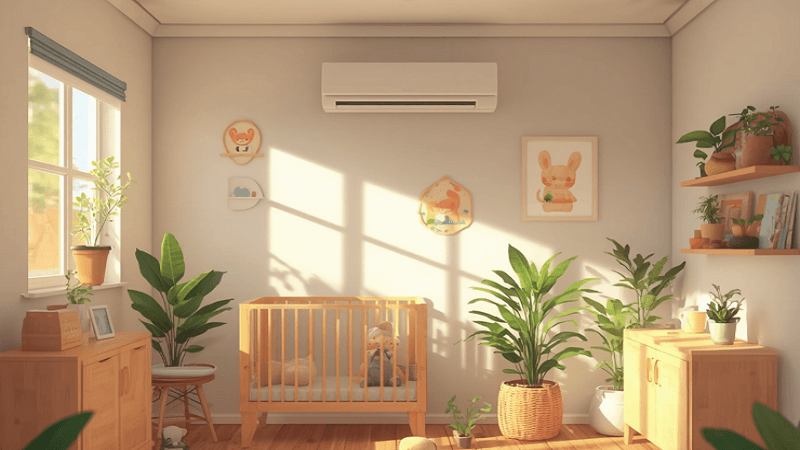
Bringing a new baby home or watching an active toddler explore their surroundings is one of the most rewarding milestones in family life. However, as parents begin to see the world through the eyes of their little ones, they often develop a heightened awareness of their immediate surroundings. While babyproofing cabinet doors, padding sharp furniture corners, and installing safety gates are standard steps on every newborn checklist, the invisible elements of your home, specifically indoor air quality, ambient humidity, and room temperature, play an equally vital role in your child’s health and development.
Infants and toddlers are uniquely vulnerable to their indoor environments. Because their lungs are still developing, young children breathe at a much faster rate relative to their body weight than adults, inhaling a larger volume of air, and any pollutants within it, throughout the day. Furthermore, because babies spend a significant portion of their early months sleeping in a crib or crawling on rugs where dust settles, their exposure to airborne triggers is naturally higher.
Establishing a clean, non-toxic, and temperature-balanced nursery is not about creating a sterile laboratory; rather, it is about making practical, sustainable choices that support your child’s respiratory health and sleep quality. By implementing thoughtful home care strategies, parents can build a safe, comfortable sanctuary where their children can rest, grow, and thrive.
Optimizing Nursery Air Quality and Advanced Filtration
Indoor air can accumulate a wide variety of microscopic irritants that easily escape the naked eye. Common household culprits include dust mites, microscopic pet dander, pollen tracked in from outside, and volatile organic compounds, often referred to as VOCs, which off-gas from synthetic materials, paint, and new furniture. In a sealed room with poor air circulation, these particles linger in the breathing zone, potentially triggering infant nasal congestion, skin irritation, or early respiratory distress.
To mitigate these invisible hazards, establishing an effective filtration routine is essential. Placing a dedicated air purifier equipped with a true High-Efficiency Particulate Air (HEPA) filter directly in the nursery works wonders for capturing tiny airborne particles. HEPA filtration traps up to 99.97% of dust, mold spores, and dander, creating a noticeably cleaner atmosphere for resting infants.
Beyond active purification, reducing the introduction of chemical off-gassing during nursery preparation is equally crucial. When painting the baby’s room or purchasing new cribs, dressers, and mattresses, look for products certified low-VOC or zero-VOC. Unpacking new furniture in a well-ventilated area for a few days before placing it in the nursery gives factory smells and synthetic chemicals ample time to dissipate outdoors.
Daily cleaning techniques also make a significant difference in preventing allergen buildup where young toddlers play. Standard dry dusting often sweeps particles into the air rather than removing them, allowing dust to resettle on crib mattresses and carpet fibers. Using a damp microfiber cloth traps dust immediately on surfaces, while vacuuming carpets with a HEPA-sealed vacuum cleaner prevents fine dust from blowing back out through the vacuum exhaust into the nursery air.
Managing Nursery Air Quality and Temperature
Maintaining a stable, comfortable climate inside a child’s bedroom is a cornerstone of safe infant care. Pediatric experts consistently emphasize that babies lack the physiological ability to regulate their internal body temperature as efficiently as older children or adults. If a nursery becomes too hot, an infant risks dangerous overheating, which is a recognized risk factor for Sudden Infant Death Syndrome (SIDS). Conversely, a chilly room causes frequent night waking, restless sleep, and unnecessary energy expenditure as the infant’s body works extra hard to stay warm.
Most healthcare professionals recommend keeping the nursery within a comfortable temperature range of 68°F to 72°F year-round. Achieving this consistency can be surprisingly tricky depending on your geographic location and house layout. During the sweltering heat of an American summer, second-floor bedrooms and sunny south-facing nurseries absorb intense heat gain throughout the day, leaving central heating and cooling setups struggling to keep those spaces cool without over-freezing the rest of the main floor. When the crisp chill of a North American autumn transitions into the freezing weather of winter, older central ductwork can leave far corner rooms feeling drafty and uncomfortably cold.
Central heating and cooling systems often struggle with balanced distribution because a single wall thermostat located in a hallway cannot measure the exact conditions of an upstairs baby room. For homes experiencing significant temperature swings between rooms, installing an independent, high-efficiency ductless mini-split provides an exceptional, tailored solution. These modern, dependable heat pumps operate with whisper-quiet sound profiles that will not startle a sleeping infant, delivering steady, localized heating or cooling directly to the space.
Because localized, ductless heat pump setups operate independently from central air ducts, they bypass the dust, mold, and allergen buildup that frequently hides inside long runs of home ductwork. Furthermore, their advanced built-in air filtration filters fine particulates continuously while gently circulating air, eliminating harsh drafts or hot spots. When replacing or servicing any home environmental unit, ensuring that internal cooling components and heating components are clean and well-maintained guarantees that your equipment operates smoothly, cleanly, and reliably throughout every seasonal change.
Balancing Indoor Humidity for Respiratory Health
Alongside clean air and stable temperatures, managing relative indoor humidity levels plays an irreplaceable role in keeping your child’s delicate nasal passages and skin healthy. Moisture levels in the home shift dramatically as seasons change across North America. The ideal relative humidity range for a nursery sits comfortably between 30% and 50%. Staying within this target window keeps sensitive mucus membranes hydrated without creating a damp environment where unwanted biological growth can flourish.
| IDEAL NURSERY HUMIDITY RANGE: 30% TO 50% | |
| BELOW 30%: DRY AIR | ABOVE 50%: EXCESS MOISTURE |
| Dry nasal passages & throat | Mold spore growth |
| Irritated skin & chapped lips | Dust mite proliferation |
| Increased viral particle survival | Clustered moisture on windows |
During the dry winter months, home heating systems run constantly, stripping moisture out of indoor air. This bone-dry indoor air can dry out an infant’s tiny nasal passages, making them far more susceptible to nighttime congestion, nosebleeds, chapped skin, and winter viral infections. Running a cool-mist humidifier in the nursery during cold weather restores necessary moisture to the air, soothing inflamed airways and helping a congested baby breathe comfortably while sleeping. It is critical to select a cool-mist model rather than a warm-mist steam vaporizer to completely eliminate the risk of accidental thermal burns if a curious toddler knocks the unit over.
Conversely, the humid days of mid-summer bring the opposite challenge. Excessively high indoor humidity, anything consistently exceeding 50%, creates a breeding ground for dust mites and surface mold spores, both of which are common triggers for early childhood asthma and severe allergies. During damp spring and summer seasons, running a dedicated dehumidifier or utilizing the moisture-removal mode on your room climate equipment helps extract excess airborne moisture, keeping the room crisp, fresh, and free from dangerous mold spores.
Safe, Non-Toxic Home Cleaning and Dust Control
As babies transition into active crawling toddlers, their physical interaction with their environment increases exponentially. Toddlers spend hours playing directly on rugs, reaching under furniture, and exploring low surfaces, frequently putting their hands and toys into their mouths. Consequently, the cleaning solutions you use on floors, baseboards, and nursery surfaces are directly transferred to your child’s skin and digestive system.
Transitioning your household routines away from harsh, traditional chemical cleaners toward gentle, plant-based alternatives significantly reduces toxic chemical exposures in your nursery. Bleach-based solutions, synthetic ammonia sprays, and heavily scented disinfectant products release strong chemical fumes that can irritate a child’s sensitive respiratory tract, potentially triggering reactive airway symptoms. Choosing fragrance-free, non-toxic, and hypoallergenic cleaning products cleans surfaces just as effectively without leaving behind harmful residues or airborne scents.
Synthetic air fresheners, plug-in scent diffusers, and aerosol sprays should be completely avoided in a young child’s home. While these products are marketed to mask odors, they actually emit aerosolized volatile compounds and artificial phthalates directly into the air your infant breathes. To maintain a naturally fresh nursery, focus on physically removing odor sources by washing crib sheets regularly, disposing of dirty diapers in a tightly sealed hamper, and opening windows briefly on pleasant autumn or spring days to refresh the air naturally.
Fabric furnishings in the nursery require thoughtful cleaning protocols as well. Stuffed animals, heavy curtains, and area rugs act like natural sponges for dust and pet allergens. Washing soft nursery toys, blankets, and window drapes every few weeks in hot water using a fragrance-free, dye-free laundry detergent breaks down lingering allergen proteins. Drying soft items thoroughly on high heat ensures that dust mites are eliminated, preserving a clean, safe sleep space for your child.
Building a Safe and Comforting Sanctuary
Creating a healthy home environment for your newborn or toddler is an ongoing, evolving process rather than a one-time project. As the seasons cycle throughout the year, taking proactive steps, such as upgrading air filtration, balancing seasonal humidity, choosing non-toxic cleaners, and securing dependable, room-specific climate equipment, ensures your child enjoys a safe, nourishing home atmosphere. By prioritizing these environmental fundamentals, parents can rest easy knowing they have given their child the cleanest, most comfortable start to life possible.