
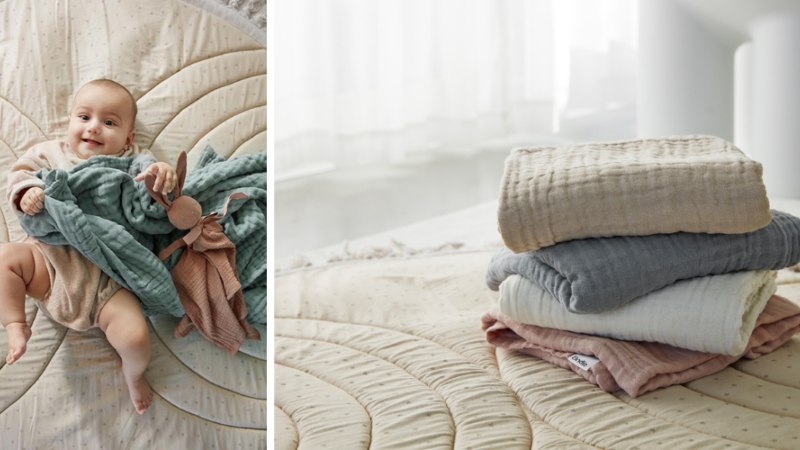
Baby blanket selection involves navigating safety guidelines, material claims, and an overwhelming range of options that all look similar on a product page. Cutting through the noise requires understanding what actually matters for a baby’s safety and comfort versus what’s primarily marketing.
Safety First
The American Academy of Pediatrics is clear on the safety guidelines: no blankets of any kind in the sleep environment for infants under 12 months. The risk of suffocation from loose bedding is well-documented. This applies to all blankets regardless of material, weight, or breathability claims.
After 12 months, baby blankets become appropriate for sleep use. Before that, their appropriate uses are swaddling under supervision, stroller coverage, tummy time padding, and general comfort use during waking hours.
Material Considerations
Minky polyester microfiber is soft, durable, and machine washable — practical advantages for items that will need frequent cleaning. Some parents prefer natural fiber blankets (cotton, muslin) for breathability concerns, though quality minky fabric is not significantly less breathable than these alternatives.
The most important material characteristic for a baby blanket is washability. Any blanket that requires hand washing or dry cleaning will create practical problems in a context where blankets get soiled regularly.
Size and Longevity
Sizing up from infant-specific blankets extends the product’s useful life. A larger throw-size blanket works for a newborn’s early months (without sleep use) and continues to be useful as the child grows — as a car seat cover, a nap blanket, and eventually a general comfort item.