
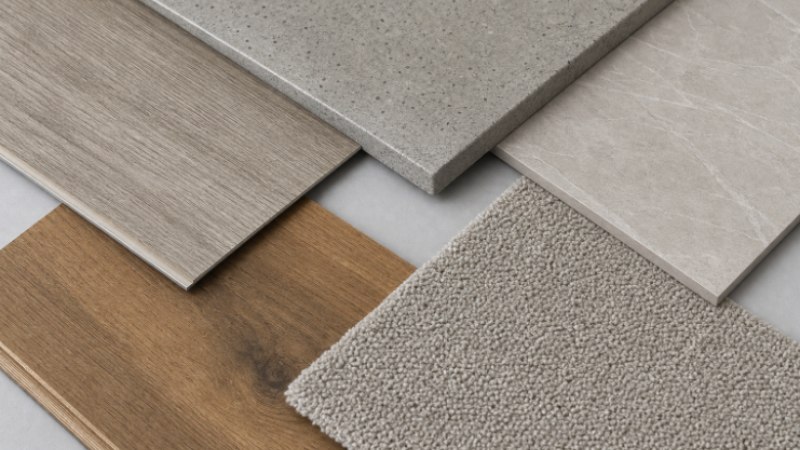
High-traffic flooring has to do more than look good on installation day. It must handle repeated footsteps, dirt, moisture, furniture movement, cleaning, and occasional impacts while still supporting a safe, comfortable space. Homeowners, facility managers, and business owners comparing options may benefit from speaking with polished concrete floor contractors in Salt Lake City, Utah when an existing concrete slab could become the finished surface.
The best choice is rarely one material for every room. A busy family entryway faces wet shoes, pet claws, and grit, while a retail floor may face carts, hundreds of visitors, and frequent mopping. Start with the real conditions in the space, then compare materials by performance and lifetime care requirements.
Why High-Traffic Flooring Needs A Different Standard
Hallways, kitchens, lobbies, offices, garages, warehouses, and shared living spaces wear differently than low-use bedrooms. Grit acts like sandpaper under shoes, rolling chairs can damage weak surfaces, and spills can affect seams, grout, adhesives, or unfinished edges. A floor should be selected for the daily abuse it will receive, including how quickly it needs to return to service after cleaning or repairs.
Start With The Space, Not The Material
Before comparing colors or styles, assess the room. Ask how many people use it each day, whether it will face water, oil, mud, chemicals, dropped tools, carts, or rolling furniture, and how often it must be cleaned. Also consider whether people need a quieter, warmer, or softer surface; how much installation downtime is acceptable; and how the new floor will transition into adjacent rooms. A beautiful product can perform poorly if the subfloor, moisture conditions, or traffic pattern are ignored.
Compare The Main Flooring Options
Polished Concrete
Polished concrete refines an existing slab through grinding, densifying, and polishing to create a durable finished surface. The process behind mechanically ground and polished concrete floors can produce finishes ranging from subtle matte looks to higher sheen. It suits open homes, showrooms, offices, and commercial areas, but slab cracks, flatness, hardness, and moisture conditions can affect the result.
Luxury Vinyl Flooring
Luxury vinyl offers water resistance, visual variety, and a more forgiving feel underfoot than concrete or tile. It can be practical for busy homes and many commercial interiors, especially when replacing a damaged plank or tile is possible. Review the wear layer, seam quality, locking system, subfloor preparation requirements, and cleaning limitations because performance varies significantly by product grade.
Porcelain And Ceramic Tile
Tile resists moisture, staining, and regular wear, making it useful in kitchens, bathrooms, entries, and some commercial settings. The tradeoffs include a hard feel underfoot, grout maintenance, potential cracking from movement, and longer installation time. For wet areas, check the tile texture and documented slip-resistance information rather than choosing solely by appearance.
Carpet, Carpet Tile, And Wood
Carpet adds warmth, comfort, and sound control, while carpet tile can simplify replacement in offices, schools, and shared spaces. However, soil, stains, moisture, and inconsistent cleaning can shorten its service life. Hardwood and engineered wood offer natural character and repair potential, but scratches, humidity changes, water exposure, and eventual refinishing should be expected. Engineered wood may be more flexible in some locations, although construction quality still matters.
Check Durability Beyond The Warranty
A warranty is useful, but it does not replace a close review of product limits. Compare surface or wear-layer thickness, scratch and dent resistance, moisture restrictions, seam protection, repair options, and approved cleaning products. Ask whether the material is rated for the expected traffic level and whether its installation requirements match the actual subfloor. Labels such as “commercial,” “waterproof,” and “heavy duty” should prompt questions, not end them.
Make Safety, Air Quality, And Moisture Core Factors
Smooth wet floors, loose transitions, raised edges, and poor lighting can all increase slip or trip risks. Use appropriate surface texture in areas exposed to water, maintain clear walking routes, and place effective entry mats where people bring in moisture and grit. Indoor conditions matter too. Adhesives, sealants, finishes, and cleaning chemicals can affect air quality, so low-emission products and proper ventilation deserve attention. The EPA recommends improving indoor conditions through controlling pollution sources and managing moisture. Fix leaks, vapor issues, and slab moisture before installing any floor.
Review Maintenance And Lifetime Value
Hard surfaces generally need routine dust removal and damp mopping, but each has specific concerns. Polished concrete may reveal slab defects or stains. Vinyl can scratch or fail at seams. Tile needs grout care and may crack. Carpet requires frequent vacuuming and periodic deep cleaning. Wood needs dry cleaning methods, prompt spill response, and eventual refinishing.
Compare the full ownership cost, not only the installed price. Include preparation, transitions, removal of old flooring, cleaning supplies, recoating, refinishing, replacement sections, repair labor, and business downtime. A higher initial cost may provide better value when it reduces disruption and extends usable life.
Use This Five-Step Selection Process
- Map the traffic. Identify entrances, main walking paths, work zones, and furniture movement.
- List the risks. Note moisture, grit, stains, impacts, noise, and cleaning demands.
- Shortlist three materials. Compare appearance, comfort, performance, and maintenance side by side.
- Inspect the subfloor. Check for cracks, unevenness, movement, weak concrete, and moisture.
- Request a written plan. Confirm installation steps, downtime, product details, and care instructions.
Common Questions About High-Traffic Flooring
What Is Best For A Busy Home?
Vinyl, tile, polished concrete, and properly finished wood can all work well. The right option depends on pets, children, moisture exposure, comfort preferences, and the household’s cleaning routine.
Which Floor Is Easiest To Clean?
Many hard surfaces are easier to clean than carpet, but grout lines, seams, heavy texture, and incorrect cleaners can increase maintenance for any material.
Should A Damaged Floor Be Repaired Or Replaced?
Review the damage pattern, floor age, subfloor condition, and availability of matching material. Localized damage may justify repair, while widespread failure often points toward replacement.
Final Checklist Before Installation
- Confirm the flooring fits the room’s traffic and moisture level.
- Review slip resistance, transitions, and cleaning requirements.
- Repair significant subfloor defects before installation begins.
- Compare lifetime costs and expected downtime.
- View large samples in both natural and artificial light.
- Get maintenance instructions and product limitations in writing.
Conclusion
The best high-traffic floor is the one that fits the space, supports safe movement, and remains manageable year after year. By evaluating traffic, moisture, comfort, maintenance, subfloor conditions, and long-term cost before purchasing, property owners can choose a floor that performs well long after the project is complete.