
Signs You Need Immediate SOS 24/7 Furnace Maintenance
When your furnace acts up, it’s not always a slow decline; sometimes, issues demand immediate attention. Ignoring these warning signs, especially during Salt Lake City’s cold winters, can lead to more severe problems, including safety hazards. Knowing what to look for can help you act quickly.
Here are critical indicators that your furnace requires emergency maintenance or repair:
- Gas Smells: A distinct odor of rotten eggs or sulfur is a serious sign of a gas leak. This requires immediate action: turn off your furnace, open windows, evacuate your home, and call your gas company and an emergency HVAC service from a safe location.
- Carbon Monoxide Risks: Carbon monoxide (CO) is an odorless, colorless gas that can be deadly. Signs of CO presence include a yellow or orange burner flame (instead of blue), excessive soot buildup, or symptoms like headaches, dizziness, nausea, and fatigue in household members. If you suspect a CO leak, evacuate immediately and call emergency services.
- Strange Banging or Grinding Noises: While furnaces make some operational sounds, loud bangs, screeches, or grinding often indicate a mechanical failure, such as a loose or broken component, a failing motor, or an issue with the blower fan.
- Continuous Cycling: If your furnace turns on and off frequently without adequately heating your home, it’s “short cycling.” This can be due to a faulty thermostat, a clogged filter, or an oversized unit, and it puts undue stress on the system.
- Failed Ignition: Your furnace tries to start but fails to ignite the burner, or it ignites briefly and then shuts down. This can point to issues with the igniter, flame sensor, or gas supply.
- Sudden Cold Air: If your furnace is running but blowing cold air, it’s failing to produce heat. This could be due to a lack of fuel, a tripped limit switch, or a problem with the heating element.
Critical Winter Heating Hazards in Utah
Salt Lake City experiences an average of 120 days below freezing annually, making a functional heating system non-negotiable. When a furnace fails in these conditions, specific hazards become particularly acute:
- Frozen Pipes: Without adequate heat, water pipes can freeze and burst, causing extensive water damage and costly repairs.
- Indoor Temperature Drops: Prolonged exposure to low indoor temperatures can be dangerous, especially for vulnerable populations like the elderly, infants, and those with health conditions.
- Vent Obstructions: Blocked vents, whether intake or exhaust, can lead to carbon monoxide buildup or inefficient operation, stressing the system and posing safety risks.
- Safety Limits: A malfunctioning furnace might trip its safety limits repeatedly, indicating a deeper issue that could lead to overheating or system damage if not addressed.
- Health Risks: Beyond the immediate danger of CO poisoning, a consistently cold home can exacerbate respiratory issues and other health problems.
Step-by-Step Response During an Unexpected Breakdown
If your furnace breaks down unexpectedly, taking immediate, informed steps can mitigate damage and ensure safety while you await professional help.
- Thermostat Verification: First, check your thermostat settings. Ensure it’s set to “Heat” and the temperature is above the current room temperature. Replace batteries if necessary.
- Circuit Breaker Check: Head to your electrical panel and check if the circuit breaker for your furnace has tripped. If it has, reset it. If it trips again immediately, do not attempt to reset it further; this indicates an electrical problem.
- Gas Shutoff (if applicable): If you smell gas, immediately turn off the gas supply to your furnace. The shut-off valve is usually a lever or knob near the gas line connection to the furnace.
- Emergency Contact: Once you’ve taken initial safety measures, contact a reliable 24-hour furnace maintenance service in Salt Lake City. Be prepared to describe the symptoms and any steps you’ve already taken.
- Secondary Heating: If safe to do so, use alternative heating sources like electric space heaters in occupied rooms. Ensure they are used safely, away from flammable materials, and never leave them unattended.
- Home Insulation: Close doors to unused rooms, block drafts from windows and doors, and use blankets to retain as much heat as possible while you wait for assistance.
Comprehensive Solutions for Furnace Breakdowns
When your furnace stops working, the problem can stem from various components. Understanding the most common issues that necessitate prompt, expert intervention can help you communicate effectively with technicians and grasp the scope of the repair. Many of these require specialized tools and knowledge to diagnose and fix correctly.
Common furnace problems requiring immediate professional attention include:
- Clogged Filters: While seemingly minor, a severely clogged air filter restricts airflow, causing the furnace to overheat or work harder, leading to breakdowns or reduced efficiency.
- Worn Blower Motors: The blower motor circulates heated air throughout your home. If it wears out, it can seize, making loud noises, or simply fail to distribute heat.
- Cracked Heat Exchangers: This is a critical safety concern. A cracked heat exchanger can leak carbon monoxide into your home’s air supply. This issue often requires furnace replacement.
- Failed Thermocouples: In older gas furnaces, the thermocouple is a safety device that senses if the pilot light is lit. If it fails, the gas valve will shut off to prevent gas leaks, causing the furnace to stop heating.
- Electrical Malfunctions: Issues with wiring, circuit boards, or ignition systems can prevent the furnace from starting or operating correctly.
For detailed insights into addressing these and other urgent heating concerns, exploring resources on SOS 24/7 furnace maintenance can provide valuable guidance on immediate actions and professional intervention.
Common Causes Requiring SOS 24/7 Furnace Maintenance Solutions
Beyond the immediate component failures, several underlying causes frequently lead to emergency calls:
- Dirty Flame Sensors: A dirty flame sensor can’t detect the flame, causing the furnace to shut down prematurely as a safety measure.
- Condensate Clogs: High-efficiency furnaces produce condensate, which can clog the drain line. This triggers a safety switch, shutting down the furnace to prevent water damage.
- Broken Belts: In older systems, a broken blower belt will prevent air circulation, leading to no heat or overheating.
- Faulty Thermostats: A malfunctioning thermostat might not accurately read the temperature or send the correct signals to the furnace, leading to erratic operation or complete shutdown.
- Restricted Airflow: Beyond clogged filters, blocked vents or ductwork issues can severely restrict airflow, causing the furnace to struggle and potentially overheat.
- Mechanical Wear: Over time, components like bearings, motors, and fans simply wear out, especially without regular maintenance, leading to unexpected failures.
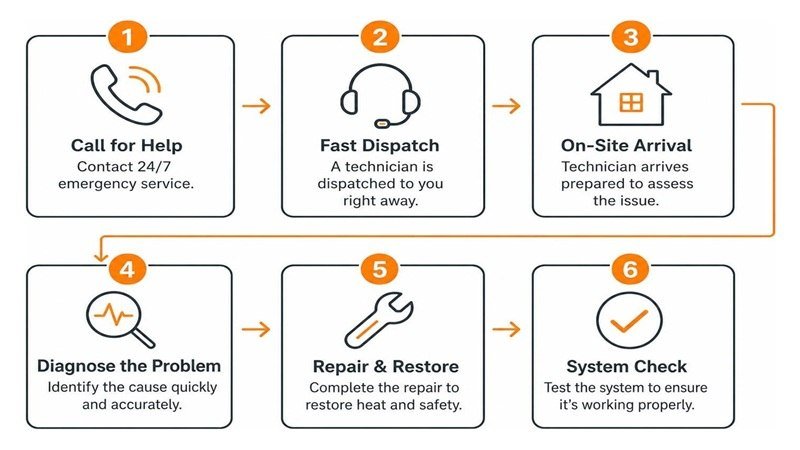
Diagnostics and Same-Day Repair Protocols for SOS 24/7 Furnace Maintenance
When you call for 24-hour furnace maintenance, especially in the cold Salt Lake City climate, prompt and effective service is paramount. Reputable providers follow specific protocols to ensure rapid resolution:
- Rapid Dispatch: Services prioritize emergency calls, often having technicians on standby or a dedicated emergency response team to ensure the quickest possible dispatch to your location.
- Combustion Analysis: Technicians use specialized tools to analyze the furnace’s combustion process, ensuring it’s operating safely and efficiently, particularly to detect carbon monoxide.
- Electrical Diagnostics: Comprehensive checks of all electrical components, wiring, and safety controls are performed to pinpoint electrical faults.
- Localized Inventory: Many emergency services maintain a well-stocked inventory of common furnace parts on their service vehicles or at a local depot, enabling same-day repairs without waiting for part orders.
- Swift Calibration: After repairs, the system is carefully calibrated to ensure optimal performance, proper airflow, and accurate temperature control.
- Safety Testing: A thorough safety check is the final step, ensuring all components are functioning correctly and the furnace poses no hazards before leaving your home.
Comparing Proactive Upkeep and Emergency Heating Repairs
The choice between proactive furnace maintenance and waiting for an emergency repair often comes down to cost, comfort, and system longevity. While emergency services are invaluable when needed, preventative measures offer significant advantages.
Over 60% of emergency furnace repairs could be prevented with annual professional maintenance. This proactive approach not only averts breakdowns but also extends the life of your system and improves its efficiency. The average lifespan of a furnace in Utah is 16-18 years, with regular maintenance extending this by up to 20 years. Furthermore, furnace maintenance can improve energy efficiency by up to 15%, leading to significant cost savings on utility bills over time. In contrast, the cost of emergency furnace repair can be up to 50% higher than scheduled maintenance, not including the inconvenience and potential secondary damages.
Here’s a comparison to illustrate the differences:
Feature Routine Maintenance Emergency Repairs Cost Lower, predictable, scheduled Higher, often includes after-hours fees, unpredictable System Lifespan Extends lifespan by up to 20% Can shorten lifespan due to stress, may require replacement Energy Efficiency Improves by up to 15% Often performed when efficiency is already compromised Comfort Consistent, reliable heating Interrupted comfort, potential for cold home Response Time Scheduled at your convenience Immediate, often same-day/night dispatch Prevention Prevents over 60% of breakdowns Reactive, addresses existing failures Safety Proactive identification of hazards Reactive to potential or actual safety issues Choosing proactive furnace maintenance is an investment in your home’s comfort, safety, and your financial peace of mind. It allows for the early detection of minor issues before they escalate into costly, inconvenient emergencies. Regular tune-ups ensure your system runs at peak performance, maximizing its lifespan and minimizing energy waste.
Selecting a Dependable Emergency Heating Specialist in Salt Lake City
When faced with a furnace emergency, choosing the right service provider is crucial. You need a company that can respond quickly, effectively, and reliably. Here’s what to look for when selecting a dependable 24-hour furnace maintenance company in Salt Lake City:
- Technician Certification: Ensure the technicians are NATE-certified (North American Technician Excellence) or hold similar industry-recognized certifications. This indicates they have proven knowledge and skills in HVAC systems.
- Local Licensing: Verify that the company is properly licensed to operate in Salt Lake City and Utah. This ensures they meet state and local regulations and standards.
- Dispatch Availability: A true 24-hour service means they are available to take calls and dispatch technicians at any time, day or night, including weekends and holidays. Confirm their operational hours and emergency response capabilities.
- Transparent Pricing: While specific pricing may vary for emergency services, a reputable company will offer transparent pricing structures, explaining diagnostic fees, labor costs, and parts before beginning work. Avoid companies that are vague about costs.
- Response Speed: In a heating emergency, time is of the essence. Inquire about their typical response times for emergency calls, especially during peak winter months in the Wasatch Front area.
- Wasatch Front Coverage: Confirm that the company services your specific area within Salt Lake City and the broader Wasatch Front. Local knowledge can also be beneficial for understanding regional climate impacts on HVAC systems.
By considering these factors, you can find a reliable partner to ensure your home remains warm and safe, even in the most unexpected circumstances.
Frequently Asked Questions About Salt Lake City Furnace Emergencies
Navigating a furnace breakdown can be stressful, and many homeowners have similar questions when facing such an emergency. Here, we address some common concerns regarding 24-hour furnace maintenance in Salt Lake City.
How much does emergency furnace maintenance cost in Salt Lake City?
The cost of emergency furnace maintenance in Salt Lake City can vary based on several factors, as specific pricing is typically determined by the nature of the repair and the time of service. Generally, you can expect different rates for after-hours calls compared to standard business hours. Diagnostic fees are common, covering the technician’s time to identify the problem. The overall cost will also depend on the complexity of the repair and whether any parts replacement is needed. Reputable companies prioritize price transparency, providing a clear breakdown of costs before any work begins, ensuring you understand the investment involved in restoring your home’s heat.
Can routine tune-ups prevent unexpected winter heating failures?
Absolutely. Routine, annual furnace tune-ups are one of the most effective ways to prevent unexpected winter heating failures. Statistics show that over 60% of emergency furnace repairs could be prevented with annual professional maintenance. During a tune-up, technicians inspect, clean, and adjust various components, identifying minor issues before they escalate into major breakdowns. This preventative maintenance not only reduces the likelihood of emergencies but also improves your furnace’s energy efficiency by up to 15%, leading to significant savings on utility bills. Furthermore, consistent maintenance can extend your furnace’s lifespan, potentially adding up to 20 years to its operational life compared to the average 16-18 years for systems without regular care.
What is the expected response time for 24-hour furnace services?
When you require 24-hour furnace services, a prompt response is critical. Reputable companies offering emergency services in Salt Lake City typically aim for same-day dispatch, especially for critical no-heat situations during cold weather. Response times can be influenced by factors such as the current demand during peak winter periods, travel logistics within the Wasatch Front, and the availability of local coverage. Many services utilize priority routing for emergency calls to ensure that technicians reach your home as quickly as possible, understanding the urgency of restoring heat to your home.
Conclusion
In Salt Lake City, where freezing temperatures are a regular part of winter, a functioning furnace is not merely a comfort—it’s a critical component of home safety and well-being. Understanding the signs of a failing system, knowing how to respond during a breakdown, and recognizing the immense value of proactive furnace maintenance are essential for every homeowner. While emergency repairs are sometimes unavoidable, choosing a dependable 24-hour service ensures rapid, expert assistance when you need it most, restoring your indoor comfort swiftly. By prioritizing heating reliability through both preventative care and readiness for rapid repairs, you can safeguard your home and family against the harshest winter conditions.