
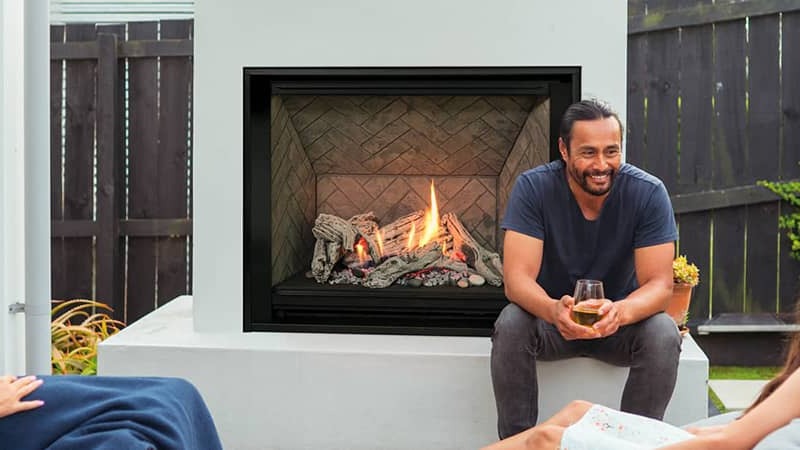
Gas fireplaces provide warmth and ambiance with the convenience of modern technology. However, ensuring their safe operation is crucial to protect your home and loved ones. Here are essential safety tips every homeowner should follow.
Professional Installation and Inspection
Proper installation is the foundation of gas fireplace safety. Hiring certified professionals ensures that gas lines, venting, and electrical connections meet safety standards. Improper installation can lead to gas leaks or fire hazards. Additionally, annual inspections by qualified technicians can identify potential issues before they become serious problems. For residents seeking expert assistance, Southern Chimneys offers comprehensive gas fireplace service in Atlanta, GA. With over 500 five-star reviews, their certified technicians provide installation, maintenance, and repair services, ensuring your fireplace operates safely and efficiently.
Maintain a Safe Clearance Zone
Keep flammable materials, such as curtains, furniture, and decorations, at least 3 feet away from the fireplace. This precaution prevents accidental ignition and allows for proper heat dissipation. During the holidays, be especially cautious with decorations and stockings near the fireplace.
Install Carbon Monoxide Detectors
Gas fireplaces can produce carbon monoxide (CO), a colorless and odorless gas that poses serious health risks. Installing CO detectors near the fireplace and in sleeping areas provides an early warning system. Ensure detectors are tested regularly, and batteries are replaced as needed.
Ensure Proper Ventilation
Proper ventilation is crucial to prevent the buildup of harmful gases. Ensure that vents and chimneys are clear of obstructions and functioning correctly. Blocked vents can lead to dangerous carbon monoxide accumulation. Regularly check that the flue is open and unobstructed before using the fireplace.
Use Safety Screens and Barriers
The glass front of a gas fireplace can become extremely hot during operation, posing a burn risk, especially to children and pets. Installing a safety screen or barrier can prevent accidental contact with the hot glass.
Regular Maintenance and Cleaning
Routine maintenance ensures that your gas fireplace operates efficiently and safely. This includes cleaning the glass, checking for gas leaks, and inspecting the ignition system. Always follow the manufacturer’s maintenance guidelines and schedule professional servicing annually.
Be Cautious with Gas Logs
Gas logs are designed to be arranged in a specific manner to ensure proper combustion and ventilation. Avoid rearranging the logs, as improper placement can lead to incomplete combustion and increased carbon monoxide production. If you suspect an issue with the log arrangement, consult a professional technician.
Educate Family Members
Ensure that all household members understand how to operate the gas fireplace safely. This includes recognizing the smell of gas, knowing how to turn off the fireplace in an emergency, and understanding the importance of not leaving the fireplace unattended while in use. Educating children about the dangers of the fireplace and establishing safety rules can prevent accidents. By following these safety tips, homeowners can enjoy the comfort and ambiance of their gas fireplaces while ensuring the safety of their household. Regular maintenance, proper installation, and adherence to safety guidelines are key to preventing accidents and ensuring your fireplace’s longevity.
Know the Signs of Gas Leaks
Being vigilant about potential gas leaks is a critical aspect of gas fireplace safety. If you smell gas near your fireplace or hear a hissing sound, act immediately. Open windows to ventilate the area, avoid using electrical switches, and evacuate everyone from the home. Contact your gas provider or emergency services from a safe location. Preventive awareness and quick response can avert serious health hazards or explosions. It is also helpful to have your technician demonstrate how to check for leaks during your annual inspection.
Understand the Use of Remote Controls and Timers
Many modern gas fireplaces come equipped with remote controls, programmable thermostats, or timers that enhance user convenience but also require proper use. Always read and follow the manufacturer’s manuals when operating these devices. Make sure remotes and controls are kept out of reach of children and that they are explained to anyone who might use them. If your system is programmable, set timers to prevent the fireplace from running when the house is empty or when everyone is asleep, reducing unnecessary risk.
Childproof and Pet-Proof Your Fireplace Area
Childproofing and pet-proofing efforts go beyond just screens and barriers. Consider installing additional gate systems or enclosures to prevent children and pets from accessing the fireplace area unsupervised. Never leave toys or pet beds near the fireplace, as they can slide too close and become a hazard. Teach children to never play near the fireplace, even when it is turned off, as residual heat may still be present.
Stay Informed About Recalls and Manufacturer Updates
Occasionally, manufacturers may issue recalls on specific fireplace models or parts due to safety concerns. Register your fireplace with the manufacturer if possible and subscribe to updates. Staying informed allows you to react quickly if a defect or issue is discovered, and ensures you remain aware of new safety features or recommended maintenance practices as technology evolves.
Follow Emergency Procedures
Preparation for emergencies is essential. Every family member should be familiar with emergency procedures, including how to turn off the gas supply to the fireplace quickly. Keep emergency phone numbers accessible and review your home’s evacuation plan regularly. Practicing a quick response can significantly reduce risks in the event of a gas leak, fire, or other emergency related to your gas fireplace.
Choose the Right Gas Fireplace Model
When installing a new gas fireplace, research models that have robust safety ratings and certifications from recognized agencies. Look for features such as automatic shut-off valves, oxygen depletion sensors, and child-safety locks. Consulting with a knowledgeable service provider can help you select a model tailored to your space, usage patterns, and safety needs, ensuring peace of mind with every use.
Conclusion
Gas fireplaces offer a convenient and beautiful way to add warmth and comfort to your home, but safe operation should always remain a top priority. By choosing professional installation, scheduling regular inspections, maintaining proper ventilation, and following recommended safety practices, homeowners can enjoy their fireplaces with confidence. Simple precautions, such as keeping flammable items away, installing carbon monoxide detectors, and educating family members about safe use, can significantly reduce potential risks. Regular maintenance also helps improve efficiency, extend your fireplace’s lifespan, and prevent unexpected issues. Whether you are installing a new gas fireplace or caring for an existing system, staying proactive about safety measures ensures a comfortable, secure environment for everyone in your home. With proper care and attention, your gas fireplace can continue providing warmth, relaxation, and peace of mind for many years to come.