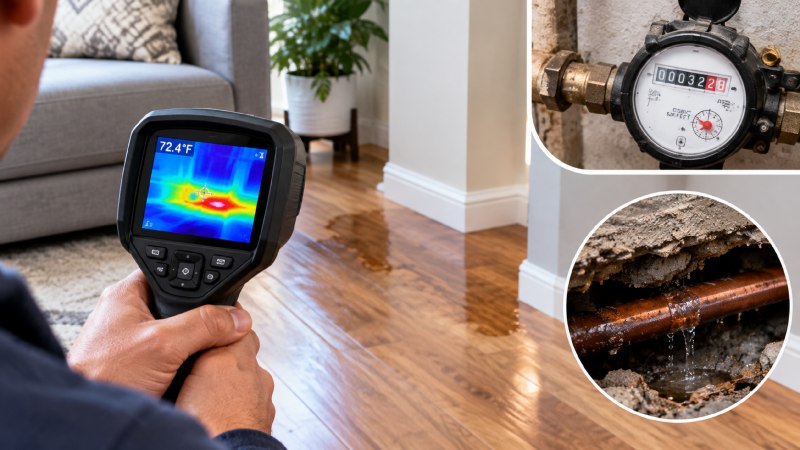
For homeowners in Bossier City, Louisiana, a hidden plumbing problem can begin quietly beneath a concrete foundation. A small leak may not produce a dramatic puddle at first, but it can contribute to damp flooring, unexplained water use, and damage that worsens over time. When the signs point to plumbing below the foundation, slab leak repair plumbers in Bossier City, LA, can help identify the source and discuss a practical repair path.
It is important not to jump to conclusions based on a single symptom. A higher bill, a warm patch of floor, or a musty odor can have several causes. Still, the EPA notes that the average family can waste 180 gallons of water each week through household leaks, so household leaks can waste substantial amounts of water before the problem is obvious.
What Is a Slab Leak?
A slab leak is a leak in a water supply line or drain line that runs beneath, through, or near a concrete slab foundation. The water may travel through soil, along pipes, or beneath flooring before becoming visible. That is why the wet area in a room is not always directly above the damaged pipe. Some leaks develop gradually through wear, while others result from a damaged fitting or pipe section.
Why Hidden Leaks Matter
Even a slow leak deserves attention because water can affect flooring, baseboards, cabinets, and materials around the foundation. It can also create persistently damp conditions that lead to musty odors or visible mold growth. A high water bill does not prove that a slab leak exists, especially if irrigation habits, houseguests, or appliance use have changed. It is, however, a sensible reason to investigate further.
Warning Signs to Watch For
Changes in Water Use or Billing
Compare the current bill to the same month last year rather than relying on a single unusually high statement. Repeated increases without a clear explanation, particularly when household routines have stayed similar, can indicate a hidden plumbing leak.
Warm, Damp, or Changing Floors
A leaking hot-water line may create a noticeably warm section of flooring. Damp carpet, loose tile, warped flooring, or soft areas near baseboards can also indicate moisture below or behind finished surfaces. These conditions are clues, not a final diagnosis.
Water Sounds and Pressure Changes
Listen for hissing, trickling, or rushing water when faucets and appliances are off. Check for simple alternatives first, including a running toilet, an irrigation leak, a water softener cycle, or a dripping fixture. Lower pressure at several fixtures may also warrant inspection, although the problem may have other causes.
Cracks, Odors, or Recurring Moisture
New cracks in tile or drywall, persistent odors, and moisture that returns after drying should be documented. Cracks can result from many conditions, including normal material movement and drainage concerns, so they should be evaluated alongside other signs.
How to Check Your Water Meter
A water-meter test can help confirm whether water is moving through the system when it should not be. The EPA recommends checking a meter during a period of no water use, then checking it again later to see whether the reading changed.
- Turn off faucets, showers, dishwashers, washing machines, and irrigation systems.
- Record the meter reading or take a clear photo of the display.
- Wait at least 30 minutes. A longer test period can provide a clearer result.
- Check the meter again without using water.
- If the reading changes, repeat the test and arrange a closer inspection.
Do not enter an unsafe meter area, force open a damaged utility cover, or handle electrical equipment near standing water.
Safe Checks Homeowners Can Do
Start with visible plumbing before assuming the issue is below the slab. Inspect under sinks, around toilets, behind washing machines, near the water heater, and at outdoor hose connections. Look for damp baseboards, peeling paint, loose flooring, and unusual odors. Keep notes about where symptoms appear, when they occur, and whether they worsen after water use. Do not break concrete, cut into walls, or dig around buried plumbing to search for a leak. Avoid water near outlets, electrical panels, or appliances. A single warning sign is not enough to safely identify the location or type of leak.
Common Causes of Slab Leaks
Slab leaks can be associated with pipe corrosion, aging materials, stressed joints, irregular water pressure, shifting soil, or installation issues. Every Bossier City home has different plumbing materials, building age, and site conditions. A proper assessment focuses on the actual symptoms and the condition of the specific plumbing system rather than assuming one universal cause.
How Leak Detection Usually Works
A typical evaluation begins with a discussion of water use, meter results, and visible symptoms. A qualified professional may test sections of the plumbing system for pressure loss and use appropriate acoustic or thermal tools to narrow the suspected area. The goal is to locate the likely source before opening flooring or concrete whenever possible. No single detection method works for every pipe material or leak type.
Common Repair Options
The right repair depends on access, pipe condition, leak location, and whether other sections of the system show wear. Common options include:
- Direct access repair: Opening a limited area to replace the damaged pipe section.
- Pipe rerouting: Creating a new route when the original path is difficult to access or has repeated failures.
- Re-piping: Replacing larger portions of plumbing when widespread deterioration is present.
- Specialized repair methods: Using options suited to the pipe type, local requirements, and condition of the system.
Drying, flooring restoration, and finish repairs may be separate parts of the overall project.
When to Call for Help
Arrange professional help when the meter moves while fixtures are off, a wet or warm area returns, pressure drops throughout the home, or water may be beneath concrete or inside a wall. If water is spreading quickly, safely shut off the main water supply if possible, move valuables away from the area, and stay clear of electrical hazards.
Ways to Reduce Future Risk
Regular monitoring can make hidden water problems easier to catch. The EPA explains that leak detection and flow monitoring systems can alert homeowners to irregular water use, and some devices can work with a shutoff valve to limit further loss.
- Review water bills for unexplained changes.
- Inspect visible plumbing connections several times a year.
- Repair dripping faucets and running toilets promptly.
- Maintain water pressure at a level appropriate for the home’s plumbing system.
- Keep records of pipe repairs, reroutes, and prior leak locations.
Frequently Asked Questions
Can a high water bill prove there is a slab leak?
No. It can be a useful warning sign, but irrigation, appliance use, guests, and other plumbing leaks can also increase water use.
Do all slab leaks require concrete removal?
No. Detection results and pipe condition help determine whether direct access, rerouting, or another repair method is appropriate.
Do plumbing leaks always cause foundation cracks?
No. Cracks can have several causes. They are more meaningful when they appear with other leak symptoms, such as meter movement or recurring moisture.
Conclusion
Hidden slab leaks often begin with small changes, including a higher water bill, warm flooring, faint water sounds, damp spots, or moisture that keeps returning even after the area appears dry. Careful water meter tests, visual checks, and attention to unusual changes around the home can help Bossier City homeowners identify possible warning signs sooner. If water usage increases without a clear reason, it may be worth checking for a concealed leak before the problem becomes more difficult to locate. When the evidence suggests a leak beneath the slab, timely evaluation can help reduce water waste, limit potential damage, and support a safer, more targeted repair decision. Addressing the issue early may also help homeowners understand the cause and determine what repair approach is appropriate.