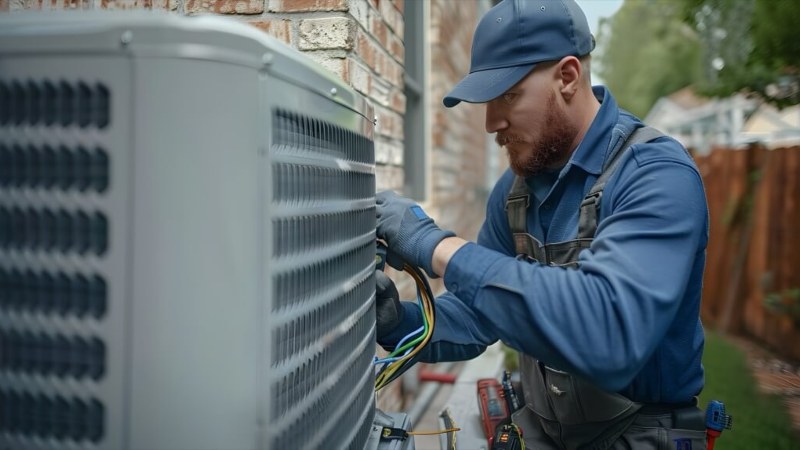
Airflow problems inside heating and cooling systems are often harder to notice than complete system failures, yet they can quietly reduce comfort, increase energy use, and strain equipment over time. Many property owners only realize something is wrong when rooms start feeling uneven in temperature, utility bills rise unexpectedly, or the system begins cycling more frequently. Diagnosing these issues requires a structured approach that looks beyond surface symptoms and focuses on pressure, duct behavior, and system balance.
HVAC contractors rely on a combination of observation, measurement tools, and system knowledge to trace the hidden causes of poor air movement and restore proper circulation throughout a building.
Understanding hidden airflow challenges
Visual Inspection and Initial System Review
HVAC contractors often begin with a careful visual inspection of the entire system to identify obvious and subtle signs of airflow disruption. This includes checking duct connections, looking for crushed or disconnected sections, and examining vents for dust buildup or blockages. Even small gaps in ductwork can cause significant pressure loss, leading to uneven cooling or heating across different rooms. Technicians also observe how the system behaves during operation, listening for unusual sounds and noting how quickly air reaches various outlets. Air filters are evaluated as well, since restricted filters can mimic more complex airflow issues.
Dampers inside ducts may also be partially closed or misaligned, which can affect distribution without being immediately noticeable. Contractors start with a broad system overview and then narrow down potential problem areas before moving on to more technical testing methods that provide deeper insight into airflow performance.
Pressure Testing and Air Balance Evaluation
Once the initial inspection is complete, contractors often perform pressure testing to understand how air is moving through the duct system. This involves measuring static pressure at different points to determine whether the system is pushing and pulling air efficiently. Imbalances in pressure can reveal hidden restrictions, such as clogged ducts or undersized return pathways that limit circulation. During this stage, airflow readings are compared across multiple vents to identify inconsistencies in distribution. In some cases, technicians discover that certain rooms receive significantly less air due to design limitations or hidden obstructions. In regions like Louisville, varying seasonal humidity levels can further complicate airflow behavior, making accurate pressure evaluation even more important. These measurements help contractors pinpoint whether the issue lies in the supply side, return side, or overall system design, allowing them to target the root cause rather than treating surface symptoms.
Ductwork Analysis Using Specialized Tools
Builders often hide duct systems behind walls, ceilings, and floors, which makes direct inspection difficult without the right tools. Contractors use equipment such as cameras, airflow meters, and smoke pencils to detect leaks and visualize how air moves through concealed spaces. Smoke testing reveals escaping air from small cracks or poorly sealed joints that would otherwise go unnoticed. Technicians also use temperature sensors to compare air conditions at different points in the duct system, which helps them identify areas where heat loss or gain occurs. Flexible ducts may sag or develop internal blockages that restrict flow, while rigid ducts can accumulate debris over time.
By analyzing these hidden pathways, contractors can build a detailed map of airflow behavior throughout the structure.This approach helps technicians identify inefficiencies that a standard inspection does not reveal and gives them a clearer understanding of how air distributes across the entire system.
Evaluating Air Handler Performance and Component Wear
The air handler plays a central role in maintaining consistent airflow, and any malfunction within its components can lead to widespread circulation issues. Contractors inspect blower motors, fan blades, and belts to ensure they are operating at proper speed and efficiency. A weak or failing motor may not generate enough force to push air evenly through the duct system, resulting in weak airflow at distant vents. Dust buildup on fan blades can also reduce performance and disrupt balance. Electrical components are tested to confirm that the system is receiving stable power and operating within required parameters.
Over time, wear and tear can reduce system output without causing a complete breakdown, making it harder for property owners to detect the issue. Contractors focus on subtle performance changes, comparing current operation levels with expected system capacity to determine whether the air handler is contributing to uneven airflow distribution.
Room-by-Room Air Distribution Assessment
A detailed room-by-room evaluation helps contractors understand how air is actually reaching different areas of a building. This process involves measuring temperature differences, airflow strength, and vent performance in each space. Some rooms may receive excessive airflow while others remain underserved, creating discomfort and inefficiency. Contractors may also check for furniture placement or interior modifications that unintentionally block vents or return paths. Even architectural features like long hallways or closed doors can influence how air circulates within a space. Adjustments to dampers or vent openings are sometimes tested temporarily to observe changes in distribution patterns.
This step helps identify whether the issue is system-wide or isolated to specific zones. Technicians compare each room’s conditions to determine whether balancing adjustments alone will resolve the issue or whether the duct system or mechanical components need deeper structural corrections.
System Calibration and Long-Term Airflow Correction
After identifying the root causes of airflow issues, contractors focus on recalibrating the system to restore balanced circulation. This may involve adjusting dampers, sealing duct leaks, replacing worn components, or upgrading sections of ductwork that restrict movement. In some cases, airflow recalibration includes modifying fan speeds or updating thermostat controls to better match system capacity with building demands. Contractors also ensure that filters and return paths are properly sized to support consistent air movement. After making the adjustments, they retest the system to confirm that airflow has stabilized across all areas.
Long-term correction may include recommending maintenance schedules that prevent future buildup or imbalance. Proper calibration not only improves comfort but also reduces strain on the system, helping it operate more efficiently over time while maintaining steady air distribution throughout the entire building.
Diagnosing hard-to-detect airflow problems requires a methodical approach that combines observation, measurement, and system analysis. HVAC contractors work through each layer of the system, from visible components to hidden duct pathways, in order to uncover the true source of imbalance. By evaluating pressure levels, inspecting mechanical parts, and assessing room-level distribution, they can identify issues that are not immediately obvious to occupants. Once corrections are made, the system becomes more efficient and consistent in delivering conditioned air. This process not only restores comfort but also helps extend equipment life and maintain stable energy usage throughout the year.