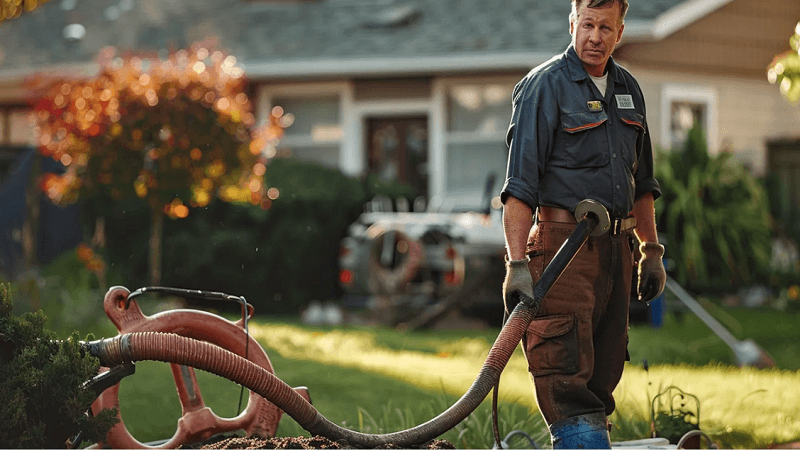
For a homeowner, septic tank upkeep might not be at the forefront of daily responsibilities, but it is one aspect of home maintenance that can have far-reaching consequences if neglected. Statistics show that regular septic tank pumping can greatly reduce the probability of system failures and associated repair costs. This proactive approach ensures not just functionality but also mitigates potential health risks and property damage.
Understanding the importance of septic system health is crucial for the longevity of the system and the home itself. By ensuring regular maintenance, homeowners can avoid costly emergencies and enhance the overall well-being of their living environment. In this article, we will delve into how regular septic tank pumping can significantly improve home maintenance efforts.
Enhancing Home Value with Regular Septic Tank Maintenance
One of the lesser-known benefits of septic tank maintenance is its positive impact on property value. A well-maintained septic system is a key selling point for potential buyers who are wary of inheriting costly and time-consuming repairs. Investing in routine pumping demonstrates responsible homeownership, which translates to perceived value in the real estate market.
Real estate professionals often highlight the state of a home’s septic system when assessing property value. Records of regular maintenance and pumping can boost a home’s marketability, reassuring buyers of a well-cared-for property. Conversely, a neglected system can drastically decrease a home’s desirability and market price, making regular maintenance and documentation a wise choice.
To maximize this benefit, homeowners should schedule regular inspections and pump-outs with a qualified septic service provider, maintaining a log of all services performed. septic tank pumping near me Such diligence not only ensures the system’s efficiency but also serves as concrete evidence of upkeep, which can be a decisive factor during property valuation or sale.
Preventing Health Hazards Linked to Septic System Failure
Maintaining a septic system isn’t just a financial consideration; it’s also a matter of public health. A failing septic system can contaminate groundwater, spreading bacteria and viruses that pose serious health risks to humans and animals alike. Efficient pumping and maintenance are essential in preventing such environmental hazards.
Overflowing or leaking septic tanks can introduce pathogens such as E. coli and salmonella into surrounding soil and water. The Centers for Disease Control and Prevention highlights the importance of septic system upkeep in preventing gastrointestinal illnesses and other infections that can arise from a compromised system.
To mitigate health risks, homeowners should adhere to a pumping schedule that aligns with the size of their tank and household usage levels. Working with professionals who can assess and pump the septic system, thus avoiding overflows, is key to safeguarding community health.
Extending the Lifespan of Your Septic System Through Routine Pumping
Like any home infrastructure, a septic system has a finite lifespan. However, with regular pumping and maintenance, its functional life can be significantly prolonged—saving homeowners the considerable expense of premature system replacement. Pumping removes the solids that, if allowed to accumulate, can cause backups and damage to the system.
Typically, septic tanks should be pumped every three to five years, although this can vary based on usage and tank size. The process involves removing sludge and scum layers before they can reach and harm the drain field, which is one of the costliest components of the septic system to repair or replace.
Homeowners should consult with septic tank professionals to establish a customized pumping plan. Providers can offer insights into the frequency of pumping required for individual systems, taking into consideration factors like tank size and household waste generation.
Minimizing Emergency Repairs with Scheduled Septic Service
Emergency repairs can be a homeowner’s worst nightmare, often cropping up at inopportune times and with hefty price tags. When it comes to septic systems, many of these emergencies are preventable with regular pumping and inspections. By addressing small issues proactively, homeowners can avoid the stress and cost of major repairs down the line.
Studies have indicated that neglected septic systems are more prone to failures that result in overflows, blockages, and even backups into the home itself. These issues can be incredibly disruptive and generate significant repair costs. A routine pumping and maintenance schedule is instrumental in identifying potential problems before they escalate.
Homeowners can keep their septic system in peak condition by scheduling service visits in advance and establishing a relationship with a trusted septic service provider. This approach allows for consistent system check-ups and timely interventions to maintain system performance and forestall any emergency situations.
Ultimately, the regular pumping of a septic tank plays a critical role in home maintenance by enhancing property value, preventing health risks, prolonging system life, and minimizing unexpected repairs. As homeowners prioritize septic system care, they make a sound investment in the overall health and longevity of their home, which pays dividends in peace of mind and financial security. Adopting a schedule for systematic tank maintenance ensures a smoothly functioning septic system and a well-maintained home environment.