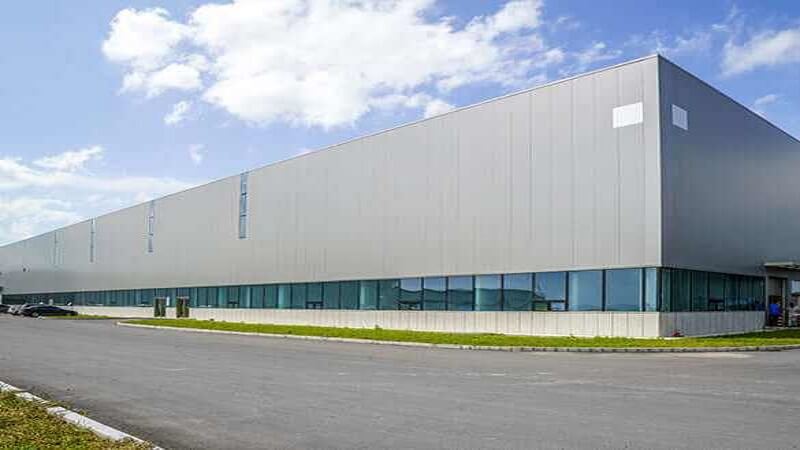
In the contemporary construction landscape, energy efficiency is paramount. Rising energy costs and the growing emphasis on reducing carbon footprints have prompted builders and homeowners to seek innovative solutions. One such solution involves the use of insulated PIR panels. These panels are a modern building material that offers superior insulation properties, making them a smart choice for anyone looking to enhance energy efficiency.
What are Insulated PIR Panels?
Polyisocyanurate (PIR) panels are a type of thermal insulation used in residential and commercial buildings. These panels consist of a rigid foam core sandwiched between two layers of facing material. The foam core is known for its excellent thermal resistance, which reduces heat loss in the winter and helps keep interiors cool in the summer.
Benefits of Insulated PIR Panels
PIR panels are highly regarded for several reasons. Firstly, their high R-value means better thermal insulation compared to traditional materials. This high level of insulation can lead to significant reductions in energy consumption. By minimizing the need for heating and cooling, these panels contribute to lower utility bills and a decreased environmental impact.
Moreover, PIR panels are lightweight yet robust, offering easy installation without compromising on durability. They have a high compressive strength, making them suitable for various structural applications. Additionally, their moisture resistance ensures longevity, further enhancing their appeal to property developers.
Applications for Modern Buildings
Insulated PIR panels are versatile in their application. They can be used in walls, roofs, and floors, providing comprehensive insulation solutions for all parts of a building. This versatility makes them suitable for new builds as well as retrofitting existing properties.
The ease of installation also makes them a practical choice for contractors, who often face tight project deadlines. Quick installation times can translate to decreased labour costs, further augmenting the financial benefits of adopting PIR panels in construction projects.
Environmentally Friendly Properties
In addition to their energy efficiency, insulated PIR panels are an environmentally friendly choice. The production of PIR foam involves less depletion of natural resources and results in lower environmental emissions compared to other insulation materials.
Compliance with Building Regulations
With ever-tightening building regulations aimed at achieving higher energy standards, PIR panels are increasingly relevant. They enable builders to meet and even exceed energy efficiency targets, assuring compliance with regulations without compromising design or functionality.
Cost Considerations
While the initial investment for insulated PIR panels may be higher than some traditional materials, the long-term savings in energy costs often justify the expense. Over time, the reduced utility bills can offset the upfront costs, leading to substantial financial savings.
Additionally, by reducing energy demands, these panels can add value to a property, a significant consideration for homeowners and developers considering future sales or leases.
Conclusion
Insulated PIR panels offer myriad benefits that align with the goals of modern building projects. Their superior insulation properties, coupled with their environmental credentials, make them an ideal choice for energy-efficient construction.
As industry demand for sustainable building materials continues to grow, utilizing products like insulated PIR panels can enhance the value and functionality of a property. Builders and owners alike should consider the long-term advantages of investing in high-quality, energy-efficient materials for their projects.