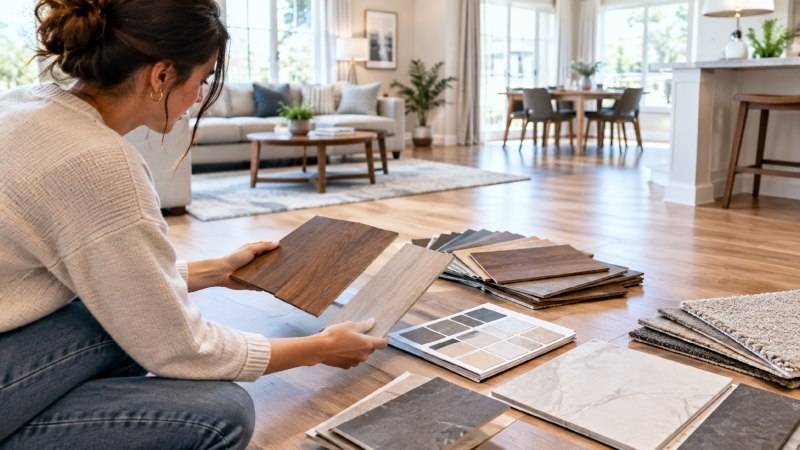
Choosing flooring for a Raleigh home is about more than finding a color or plank style that looks good in a showroom. Between humid summers, rainy days, busy family routines, pets, and red-clay grit tracked indoors, each space needs a surface that fits how it is actually used. Homeowners comparing options can begin with Artisan Flooring of NC Raleigh to explore materials that balance performance and design. The best approach is to start with the room, not the sample. A floor that feels warm and inviting in a bedroom may not be the right choice at a frequently used back door, while a durable bathroom floor may feel too hard for a quiet retreat. Looking at moisture, traffic, comfort, maintenance, and subfloor conditions first leads to a more durable decision.
Five Factors That Shape a Smart Flooring Choice
Before narrowing down finishes, consider the conditions the floor must handle. Matching flooring to room function and moisture exposure helps prevent an attractive choice from becoming a high-maintenance frustration.
- Moisture: Think about spills, plumbing fixtures, wet shoes, humidity, and concrete slabs.
- Traffic: Account for pets, children, furniture movement, shoes, and frequently used pathways.
- Comfort: Consider warmth, sound control, softness, and how long people stand in the space.
- Maintenance: Decide whether regular vacuuming, prompt spill cleanup, sealing, or refinishing fits the household routine.
- Service life: Consider whether the goal is a budget-conscious refresh or a floor intended to remain for many years.
Best Flooring for Entryways and Mudrooms
Entry areas work hard. They collect water, grit, pollen, and dirt from driveways, yards, and sidewalks. Porcelain tile, luxury vinyl, and water-resistant laminate can all work, depending on the home and product specifications. Matte finishes, and subtle textures often make everyday dust and small marks less noticeable than glossy surfaces. Use sturdy mats inside and outside exterior doors, remove grit regularly, and plan transitions carefully when an entry opens onto hardwood. A defined tile or vinyl landing can protect nearby wood while still creating a natural visual connection.
Best Flooring for Kitchens and Dining Areas
Kitchens need a floor that can manage spills, dropped utensils, chair movement, and long periods of standing. Luxury vinyl offers a softer feel than tile and straightforward cleanup. Tile is highly practical around moisture, but can feel hard and cool. Engineered wood and properly finished hardwood bring warmth to open layouts, though spills should be wiped up promptly. Photorealistic editorial studio shot of neatly arranged flooring samples, hardwood, engineered wood, luxury vinyl, tile, laminate, and carpet—displayed on a clean neutral surface with soft controlled lighting, subtle shadows, and a polished commercial home-design aesthetic. Waterproof and water-resistant are not identical terms. A waterproof plank may resist damage from surface water, but seams, edges, wall gaps, and the subfloor can still be affected by a significant leak. In dining areas, felt pads under chairs and careful furniture moving can help protect the finish.
Best Flooring for Bathrooms and Laundry Rooms
Bathrooms and laundry rooms demand careful moisture planning. Porcelain or ceramic tile, sheet vinyl, and waterproof luxury vinyl are common choices. Solid hardwood and standard laminate require extra caution because repeated exposure to water can damage their cores, edges, or finish. Prioritize traction as well as appearance. Textured or matte tile can provide more grip than a polished surface when wet. Before installation, inspect around toilets, tubs, sinks, washing machines, and supply lines for leaks or staining. Waterproof flooring does not replace proper plumbing repairs or moisture control.
Best Flooring for Living Rooms, Hallways, and Bedrooms
Living rooms and hallways often need a balance of durability and visual appeal. Hardwood offers natural character and can be refinished when the product and wear layer allow. Engineered wood can provide a real-wood surface with added dimensional stability. Luxury vinyl and laminate offer practical alternatives for active households, while carpet provides softness and sound control. Bedrooms are usually more about comfort and quiet. Carpet can feel warm underfoot, while hard-surface flooring paired with an area rug offers flexibility for cleaning and future style changes. Continuing the same flooring through a hallway and bedroom can make a smaller Raleigh home feel more connected.
Best Flooring for Basements
Below-grade spaces require extra caution because concrete can hold or transmit moisture. Tile, rigid luxury vinyl, and floating systems designed for appropriate subfloors are common basement options. Solid hardwood is generally a riskier choice when moisture conditions are uncertain. Inspect the slab and surrounding space before selecting materials. Signs such as discoloration, peeling finishes, dampness, or musty odors should be addressed first. The signs of excess moisture around a home are worth checking before covering a basement floor. Rugs, insulated underlayment, and approved subfloor systems can make a finished basement feel more comfortable.
Comparing Common Flooring Materials
- Hardwood: A strong fit for living rooms, dining rooms, and bedrooms. Use caution in wet areas and on damp slabs.
- Engineered wood: Suitable for many living spaces and can offer greater stability than solid wood in changing indoor conditions. Avoid standing water.
- Luxury vinyl: Useful in kitchens, hallways, laundry rooms, and many basements. It still requires a clean, flat, properly prepared subfloor.
- Laminate: Often works well in bedrooms, offices, and living rooms, but repeated water exposure can be a concern.
- Tile: A durable option for bathrooms, entries, kitchens, and laundry spaces. Consider its harder, cooler feel.
- Carpet: Comfortable for bedrooms, offices, and media rooms, but not a practical choice for wet spaces.
Why Subfloor Preparation Matters
A quality floor depends on what is underneath it. Uneven, damp, dirty, or unstable subfloors can contribute to movement, squeaks, raised edges, cracked tile, gaps, or visible seams. Product instructions should guide moisture testing, acclimation, underlayment, adhesive selection, and expansion space.
- Inspect the existing floor and subfloor.
- Identify moisture, structural, or leveling concerns.
- Repair and prepare the surface as required.
- Confirm the flooring product is approved for the room and installation method.
- Plan transitions, trim, and perimeter expansion space before installation begins.
Flooring Design Ideas That Last
Rather than chasing a short-lived look, choose finishes that support the home’s architecture, natural light, cabinetry, and furnishings. Warm wood tones, low-sheen finishes, subtle texture, wider planks, and larger tile formats can create a calm, current appearance when scaled appropriately for the room. Herringbone or chevron patterns can add interest in a foyer, powder room, or defined dining area without overwhelming the home.
A Simple Flooring Shopping Checklist
- Measure every room and note closets, angles, and transitions.
- List moisture concerns, nearby plumbing, pets, children, and traffic levels.
- Bring photos of cabinets, paint, furniture, and trim.
- View samples in morning, afternoon, and evening light.
- Ask what the quote includes for removal, subfloor work, trim, and transitions.
- Review cleaning guidance, warranty terms, repair options, and future material availability.
Final Thoughts
The right floor for a Raleigh home should work as hard as the room requires. A durable mudroom surface may not offer the comfort needed in a bedroom, while a beautiful living room floor may not be the most practical choice for a damp basement. By considering moisture, foot traffic, maintenance, comfort, installation requirements, and design together, homeowners can make more informed flooring decisions for each space. Entryways and kitchens may benefit from surfaces that are easier to clean, while bedrooms and living areas may call for materials that provide warmth and comfort. Bathrooms, laundry rooms, and lower-level spaces require careful attention to moisture and subfloor conditions. Homeowners should also consider how different flooring materials transition between rooms and complement the home’s overall design. With thoughtful planning, the flooring can support everyday routines while maintaining a practical and consistent appearance throughout the home.