Ever walked into your own house and thought, “This could be better, but I’m too tired to deal with it”? You’re not alone. Between the rising cost of living and the endless stream of bad headlines, the idea of putting time and money into home improvements can feel like one more item on a list that never ends. In this blog, we will share practical, realistic ways to keep your home improving without losing your sanity—or your savings.
Start Where You Live Most
Home improvement doesn’t start with a sledgehammer or blueprints. It starts with recognizing how you actually live. Most people spend the majority of their home time in a few key spots: the kitchen, the living room, the bathroom. These areas aren’t just central—they’re constant. Instead of gutting them or chasing trends that expire faster than a TikTok dance, focus on function.
In the kitchen, that might mean updating drawer hardware or replacing your crusted, flickering under-cabinet lights with LEDs that don’t hum. It might mean ditching the drying rack for a foldable version that gives you back your counter. If your stove looks like it survived the Bush administration, a replacement—not necessarily high-end—can change your whole rhythm in the space.
Living rooms benefit more from subtraction than addition. Remove oversized furniture. Clean behind it. If your lighting still depends on one overhead bulb and a table lamp from college, replace them with floor lamps or smart bulbs that shift color and tone depending on the time of day.
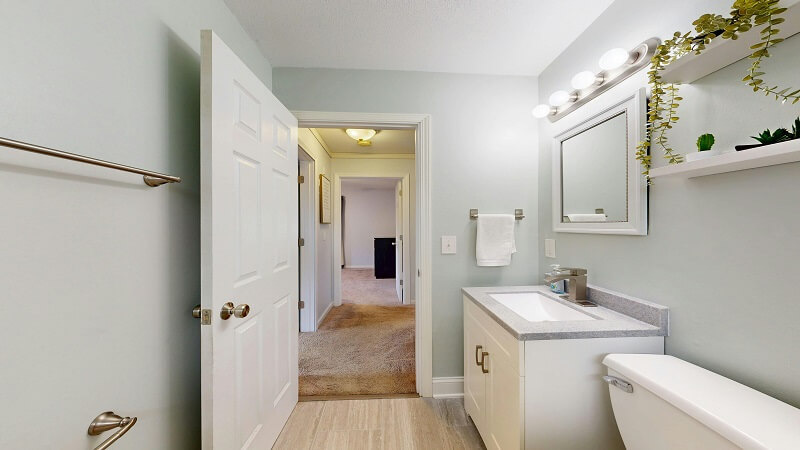
Bathrooms need better storage more than better tiles. Baskets, wall-mounted shelves, or even swapping out a tiny vanity for one with drawers can make the space feel less like a janitor’s closet. All of this happens in stages. It should. The goal isn’t a reveal—it’s relief.
Fix What You’ve Been Ignoring
Neglect isn’t dramatic. It’s quiet. A strange noise when the heat kicks on, a flickering light in the hallway, or that faucet you tighten just a bit too much every time—it all blends into the background until it doesn’t. One cold morning, your heat stops working. You open the door to your HVAC closet, and suddenly you’re on the phone, panicked, Googling “emergency heating repair.”
This is where real improvement happens—preventing failure. Taking the time to learn the early signs you need heat pump repairs can save you from bigger headaches later. Maybe your energy bill spiked without a reason. Maybe the air blowing in feels off—lukewarm, weak. Or your heat pump makes sounds it never used to—clicks, hums, rattles. None of these scream “emergency,” but all of them suggest you’re flirting with one. If your system runs longer than it used to just to hit the same temperature, that’s a red flag with a monthly cost.
You don’t need to memorize HVAC jargon. You just need to notice what’s changed. That’s the hard part—interrupting your own routine long enough to question it. But once you start, you begin to see everything more clearly: the dusty air vents, the sealed-shut window you haven’t opened since 2019, the draft you keep blaming on imagination. Improvements don’t start with upgrades. They start with paying attention.
Make it Easier to Clean, Not Just Nicer to Look At
Design trends have trained people to think of home improvement as purely aesthetic. Peel-and-stick wallpaper, geometric shelves, accent walls—easy wins that photograph well. But the thing that makes a home feel better day to day isn’t how it looks. It’s how hard it is to clean.
Take flooring. That textured laminate you thought looked “natural” is also a nightmare to mop. Those grout lines in your bathroom tile? Dirt magnets. Even that trendy black matte faucet you saw on Instagram—fingerprints for days. Replacing or modifying these with materials that resist buildup saves hours over the course of a year. If something is beautiful but high-maintenance, it stops feeling beautiful fast.
Then there’s furniture. Upholstery that can’t survive a spill isn’t stylish, it’s fragile. Open shelving in the kitchen? Fine if you love wiping down spice jars every three days. Closed cabinets, wipeable surfaces, washable cushion covers—these aren’t just practical, they’re sustainable. Cleaning fatigue kills the best routines. When you make surfaces more forgiving, you gain time. And the illusion of energy.
Let Your Home Evolve With You
Your needs change. So should your space. But instead of waiting for a major life event—a new job, a baby, a roommate leaving—start shifting in small ways. A work-from-home corner becomes a permanent station. A hallway shelf morphs into a drop zone for mail, keys, masks, and everything else modern life throws at you. An old guest room can evolve into a hobby room or a tiny gym. You don’t need to announce these changes. Just start making them.
Technology now makes that easier. Smart thermostats adjust based on your habits. Modular storage adapts as your belongings shift. Even lighting can be adjusted to improve your sleep. Not because it’s “smart,” but because it matches you better than a one-size-fits-all setup. As your routines shift, you should edit—not overhaul—your space. That means letting go of the idea of a “finished” home. Homes aren’t finishable. You outgrow things. You rethink what matters.
Too often, people buy for the life they wish they had instead of the one they’re actually living. That $500 blender gets used twice. The fancy ottoman becomes a laundry pile. The trick is not to chase the Pinterest version of your life. It’s to make your real life easier inside your walls.
Control What You See, Not Just What You Own
The conversation around home improvement often centers on things—upgrades, purchases, add-ons. But often, the biggest improvements come from subtracting. Visual clutter stresses people out. That shelf of unread books, the junk drawer that won’t close, the cords tangled behind the TV—they steal focus. They remind you of unfinished tasks, wasted money, lost time.
When you declutter, aim for visibility, not minimalism. You don’t need to own less. You need to see less at once. Bins, drawers, opaque containers—all of them reduce decision fatigue. When your space shows you fewer things, your brain calms down. You don’t need your kitchen to look like a showroom. You just need it to stop reminding you of chores.
Improving your home doesn’t mean making it bigger, more modern, or trendier. It means making it more aligned with your life. That might mean replacing a squeaky door. Or switching your showerhead. Or upgrading your HVAC filter. Most of the best changes aren’t dramatic. They’re subtle, slow, and compound over time.
The truth is, we’re living through a moment where permanence is rare. Jobs shift, markets wobble, cities change. But your home—rented or owned—remains your staging ground. You don’t need to overhaul it. You need to tune it, bit by bit. That’s not just smart. It’s sustainable. And in the long run, it pays back in something better than resale value—peace.