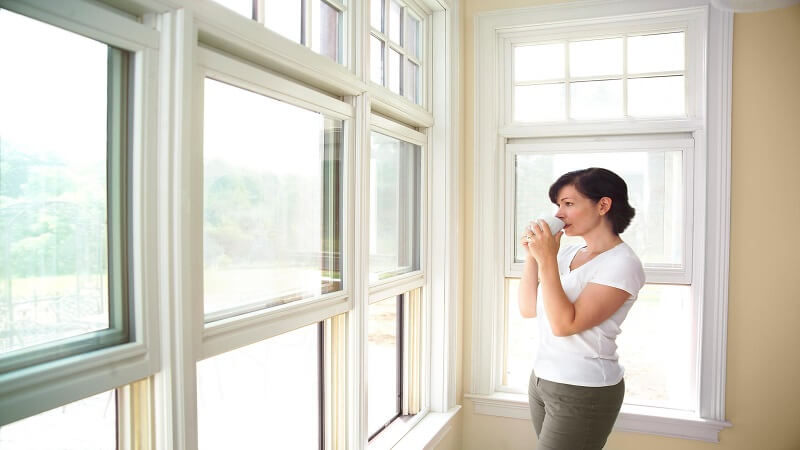
Windows serve as a vital connection between your indoor sanctuary and the external world, allowing natural sunlight to flood your rooms while shielding your family from outdoor weather elements. However, windows are continuously exposed to harsh conditions, including environmental pollution, acid rain, bird droppings, mineral-heavy hard water, and sea salt spray. Over time, these aggressive elements do not just make your glass look dull and dirty; they chemically bond with the silica structure of the pane, causing permanent etching, cloudiness, and structural weakness.
Maintaining crystal-clear windows requires a systematic approach that addresses both cosmetic appearance and structural glass health. For homeowners managing busy schedules or multi-story properties, outsourcing this dangerous and physically demanding labor to a specialized organization like PROCLEAN provides a seamless solution that guarantees immaculate results. Professional technicians utilize advanced carbon-fiber water-fed poles, purified deionized water filtration, and eco-friendly scaling agents to safely restore glass transparency without leaving unsightly streaks or scratches.
To maximize the lifespan and insulation efficiency of your window assemblies, you must implement a structured maintenance routine. Understanding the chemical nature of glass contamination allows you to treat your windows without causing accidental damage.
Understanding the Chemical Threats to Residential Glass
Glass may feel completely smooth to the human touch, but at a microscopic level, it features a highly porous, porous surface that is vulnerable to mineral chemical adhesion.
The Problem of Hard Water Mineral Staining
When water from lawn sprinklers, roof runoff, or concrete wash sprays onto a window and evaporates, it leaves behind concentrated deposits of calcium and magnesium. These minerals seep into the microscopic pores of the glass sheet. If these deposits are left in direct sunlight for months, they undergo baked-on calcification, creating stubborn white spots known as limescale, which cannot be removed with standard window cleaning sprays and require specialized acidic restoration washes.
Atmospheric Pollution and Acid Rain Erosion
Urban areas contain high concentrations of airborne industrial emissions, automotive exhaust particles, and sulfur dioxide. When rainwater mixes with these airborne pollutants, it becomes slightly acidic. As acid rain flows across a window pane, it slowly dissolves the glass surface molecules, creating a microscopic roughness that catches dirt, pollen, and dust much faster than a perfectly smooth pane.
The Accumulation of Corrosive Biological Debris
Bird droppings, insect splatters, and tree sap contain highly corrosive organic acids that eat away at glass finishes and rubber seals. If left unaddressed under hot summer sun, these biological elements can cause localized structural pitting in the glass, making it permanently brittle and far more susceptible to cracking during major winter temperature shifts.
A Step-by-Step System for Flawless Interior Window Care
Cleaning the interior side of your windows requires a careful, neat process to ensure you do not drip water onto your indoor carpets, custom drapes, or wooden window sills.
Step 1: Clearing and Prepping the Window Track
Always begin your window cleaning process by addressing the horizontal sliding tracks. Use a narrow vacuum crevice attachment to suck up dead bugs, loose dirt, and dust. If the tracks are filled with hardened mud, spray them with a mixture of baking soda and white vinegar, let the fizzing action break down the grime for ten minutes, and wipe them completely clean with an old microfiber towel.
Step 2: Proper Solution Application and Agitation
Avoid using heavy ammonia-based commercial glass cleaners, as they leave a thin chemical residue that attracts airborne dust particles right after cleaning. Instead, mix a few drops of professional-grade dishwasher detergent in a bucket of warm, distilled water. Apply the solution to the glass pane using a plush microfiber scrubber sleeve, working in circular patterns to lift away grease, fingerprints, and cooking soot.
| Window Component | Primary Maintenance Risk | Recommended Tool | Optimal Frequency |
| Interior Glass | Fingerprints, pet nose smudges, grease | Microfiber wand & squeegee | Monthly |
| Exterior Glass | Acid rain, mineral scaling, bird dirt | Purified water fed pole | Tri-Annually |
| Sliding Tracks | Clogged drainage weep holes, mud | Vacuum crease tool, brush | Bi-Annually |
| Screen Mesh | Airborne pollen blocking, dust coat | Soft nylon brush, rinse hose | Seasonally |
| Rubber Gaskets | Dry rot, moisture leak development | Silicone conditioning wipe | Annually |
Step 3: Executing the Perfect Squeegee Stroke
The secret to a streak-free window lies in proper squeegee technique. Fit your squeegee with a fresh, sharp rubber blade. Tilt the squeegee at a 45-degree angle and draw it across the top of the glass pane to create a dry starting strip. Then, pull the squeegee straight down from top to bottom in smooth, continuous strokes, wiping the rubber blade clean with a dry cloth after every single pass to prevent water lines.
The Extended Longevity Benefits of Regular Glass Upkeep
Consistently washing your residential windows provides major structural and financial benefits that protect your real estate asset value over time.
- Optimizing Solar Heat Gain: Clean windows allow maximum natural sunlight to enter your home during cold winter months, reducing your heating costs.
- Preserving Double-Pane Seals: Removing dirt and moisture from rubber perimeter gaskets prevents dry rot, which safeguards the insulating gas held between double-pane windows.
- Enhancing Indoor Comfort: Removing thick dust layers from window screens allows fresh, clean air to circulate into your living spaces without tracking allergens indoors.
Frequently Asked Questions
Why do my windows look cloudy even after I thoroughly wash them?
Persistent cloudiness usually indicates a broken perimeter seal in double-pane windows, which allows outdoor moisture to condense permanently between the glass sheets.
Can I safely use regular newspaper to dry my window glass?
Modern newspapers use thin, soy-based inks that break down easily when wet, meaning they often leave dark gray smudges and streaks on your glass and frames.
What are window weep holes and why do they matter?
Weep holes are small drainage slots built into the bottom of exterior window frames that allow rainwater to escape instead of rotting your wood framing.
How often should residential window screens be washed?
Window screens act like outdoor air filters and should be taken down, scrubbed with mild soap, and rinsed thoroughly at least twice a year.
Is it safe to clean my exterior windows with a pressure washer?
No, high-pressure water streams can easily shatter glass panes, tear window screens, and break the delicate rubber insulation seals around frames.
Conclusion
Proper window maintenance goes far geotargeted aesthetics; it is a critical property preservation habit that saves you from expensive structural replacement costs. Environmental contaminants like hard water minerals, industrial acid rain, and corrosive organic matter can cause permanent chemical damage to your glass panes if left unaddressed. By implementing a systematic, top-to-bottom cleaning process and using high-quality squeegees, you preserve structural glass longevity while maximizing natural light indoors. Ultimately, keeping your window systems clean ensures a beautiful, bright, and energy-efficient living environment for your home.