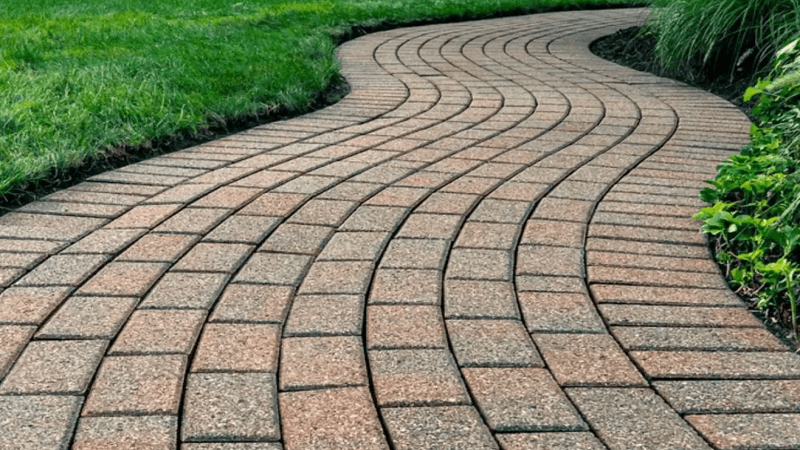
Permeable paving installation is increasingly being recognised as an essential component in creating sustainable outdoor spaces. These innovative paving systems enable water to penetrate through their surface, reducing runoff and promoting groundwater recharge. The importance of such systems in urban planning cannot be understated, given the pressing need to manage stormwater effectively. For those interested in learning more or seeking professional services, permeable paving installation is a resource available from Earthset.
Understanding Permeable Paving
Permeable paving involves a variety of materials and techniques designed to manage water efficiently by allowing it to soak through the surface. These systems use porous materials such as porous asphalt, concrete, and interlocking pavers, making them suitable alternatives to traditional impermeable surfaces.
Benefits of Permeable Paving
The benefits of permeable paving go beyond water management. By allowing water to seep into the ground, these systems help filter pollutants from stormwater, improve groundwater quality, and lessen the risk of flooding. Additionally, they can reduce the “heat island” effect prevalent in urban areas.
Key Considerations for Installation
When planning for permeable paving installation, several factors must be considered. These include the local climate, soil type, and intended load. Proper site assessment and preparation are crucial to ensuring the longevity and efficiency of the installed system.
Site Assessment
Assessing the site involves analysing soil permeability, current drainage patterns, and underlying geology. This determines the suitability of the site for permeable paving and informs the choice of materials and design.
Material Selection
The selection of appropriate materials is critical. Porous asphalt, permeable concrete, and turf pavers each have their specific applications and benefits. The choice depends on the expected load and local environmental conditions.
Installation Process
The installation process for permeable paving typically involves several key steps. Preparation of the subgrade is a primary task, ensuring it is compacted and leveled. Next, the base material is laid, followed by the permeable surface. Each layer must be installed to precise specifications to function effectively.
Maintenance Considerations
Regular maintenance is imperative to preserve the function of permeable pavements. This includes periodic cleaning to remove debris and prevent clogs in the porous surface. In colder climates, it is also important to consider the potential impact of freeze-thaw cycles.
Environmental and Economic Impacts
Embracing permeable paving solutions contributes positively to the environment by reducing stormwater runoff and enhancing groundwater recharge. Economically, these systems can reduce costs associated with stormwater management and potentially increase property value through sustainable design.
Community and Ecological Benefits
On a community level, permeable paving projects can improve local water quality and support municipal stormwater initiatives. Ecologically, they provide a means for sustainable landscape design that integrates natural hydrologic cycles into urban settings.
Future of Permeable Paving
With growing awareness of environmental concerns, the future of permeable paving is promising. Innovations in materials and technology are constantly emerging, making these systems more efficient and affordable. As regulations on stormwater management become more stringent, permeable paving will play an increasingly vital role in sustainable development.
For those considering incorporating permeable paving into their projects, consulting with experts like Earthset can provide valuable insights and tailored solutions.