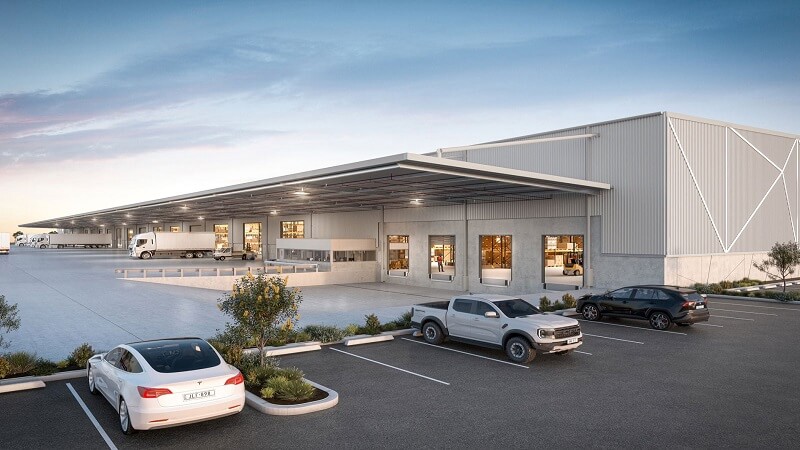
Finding the best commercial property for lease in Perth can be a daunting task for both new enterprises and established companies looking to expand. Perth, as a hub of growth and opportunity, offers a plethora of options catering to diverse business needs. Understanding the intricacies involved in selecting the right property is crucial to ensure it aligns with both financial objectives and operational requirements.
Understanding Your Business Needs
Before embarking on the journey of searching for commercial property in Perth, it is essential for businesses to outline their fundamental needs. This includes analysing the size of the space required, the preferred location, the nature of the business, and any specific accommodation needs such as parking or storage facilities. Recognising these requirements can streamline the process and eliminate unsuitable options early on.
Location Importance
The location of a commercial property can significantly influence a business’s success. In Perth, various districts present unique advantages. For instance, properties in the central business district (CBD) offer accessibility and prestige, while suburban locations might provide more competitive rental rates and space for expansion. In-depth research into areas that attract your target demographic can offer insights into the best locales for maximum engagement.
Budget Considerations
Setting a clear budget is vital when looking for a commercial property for lease. It is important to account for not only the rental price but also additional expenses such as utilities, insurance, maintenance, and potential refurbishment costs. Comparing different properties and negotiations play essential roles in ensuring that the chosen property is economically sustainable.
Engaging with Commercial Real Estate Agents
Working with an experienced commercial real estate agent can provide invaluable assistance in navigating the complexities of leasing in Perth. Agents possess comprehensive knowledge of the local market dynamics and can offer access to properties that may not be advertised publicly. Their expertise can guide businesses through contract negotiations and ensure compliance with local laws and regulations.
Property Inspections
Once a shortlist of potential properties is established, conducting detailed inspections is crucial. Inspections allow businesses to assess the condition of the property, the functionality of the space, and the potential for customisation to suit specific business operations. Checking structural integrity, utility systems, and safety provisions are key aspects to consider during these visits.
Lease Terms and Conditions
Understanding the lease agreement terms is essential for any commercial property lease. This includes the duration of the lease, renewal options, rent escalation clauses, and any responsibilities concerning repairs and renovations. Familiarity with these terms prevents future disputes and ensures that the lease aligns with long-term business strategies.
Adaptability and Future Growth
Businesses should consider whether a property offers flexibility for potential future growth. The ability to expand or modify the premises in response to evolving business needs can prevent the need for relocation, which can be both disruptive and costly.
Positioning for Competitive Advantage
The right commercial property can enhance a company’s competitive edge. For example, a location that offers easy access to key suppliers, significant foot traffic, or proximity to partners can drive business efficiency and customer engagement. Evaluating these factors ensures that the property not only meets operational needs but also supports broader strategic goals.
Legal and Compliance Issues
Ensuring compliance with legal requirements and regulations is a critical consideration when leasing commercial property. Engaging with legal professionals to review lease agreements and ensure adherence to zoning laws, safety standards, and environmental regulations is advisable. This step safeguards the business against potential legal repercussions.
Technology and Infrastructure
In today’s digital-driven business landscape, assessing the technological infrastructure of a property is fundamental. Businesses should evaluate the quality of internet connectivity, availability of advanced technology services, and capabilities for implementing their own technological solutions. These aspects are crucial for maintaining operational efficiency and competitive advantage.
Environmental Considerations
Environmental sustainability is increasingly becoming a factor for consideration in property selection. Properties that boast energy efficiency, sustainable resource usage, and green building certifications can align with corporate responsibility objectives and potentially offer cost savings in energy consumption.
Community and Networking Opportunities
Leasing a property in Perth also opens the doors to local community engagement and networking opportunities. Being strategically positioned to participate in local business events and forge new alliances can significantly contribute to a business’s reputation and growth.
Feedback from Current Tenants
To gain insights into the property and the landlord’s reliability, businesses should seek feedback from current or past tenants. Their experiences can reveal important details regarding the landlord’s responsiveness to maintenance issues and the general atmosphere within the business precinct.
Finalising Your Decision
After thorough consideration of the aforementioned factors, businesses should be prepared to make informed decisions. This involves comparing shortlisted properties against the desired criteria and conducting final assessments with a broader business strategy in mind. By doing so, businesses can confidently select a property that supports their operational goals and fosters future growth.