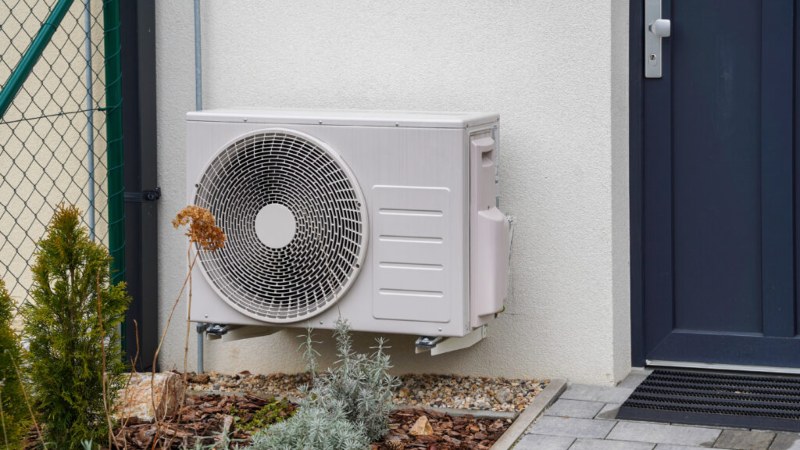
An outdoor air conditioning unit should make a steady operating sound, but it should not become loud, harsh, or disruptive. When the unit starts buzzing, rattling, grinding, banging, or humming louder than usual, it may be warning you that something inside the system needs attention. Noise can come from loose parts, motor trouble, fan problems, electrical issues, debris, or compressor strain. Air conditioning service matters because it helps identify the cause before the sound turns into a larger repair, cooling failure, or unnecessary stress on the equipment during hot weather.
What Loud Sounds Mean
Finding the Source Before Damage Spreads
Air conditioning service helps by tracing the exact area where the loud sound begins. A rattling noise may come from loose screws, a shaking panel, or debris inside the cabinet. A buzzing sound may point to electrical strain, a weak contactor, or a motor struggling to start. Grinding can suggest worn bearings, while banging may mean a fan blade, mount, or internal part is out of place. An Air Conditioning contractor can listen to the unit during startup, normal operation, and shutdown to understand when the sound appears. Timing matters because a noise that occurs only during startup may have a different cause than one that persists throughout the full cycle. By checking the sound pattern, the outdoor cabinet, wiring, fan assembly, and motor operation, service can stop the problem from spreading to nearby parts. Early attention can protect the unit from avoidable wear.
Checking Fan Blades, Motors, and Mounts
The outdoor fan plays a major role in releasing heat from the system. When the fan blade becomes bent, loose, unbalanced, or blocked by debris, the unit may run loudly and vibrate. A weak fan motor can also create humming, squealing, or grinding sounds as it struggles to turn. During service, the technician checks the blade condition, motor bearings, mounting hardware, and clearances around the fan. Even small objects such as twigs, leaves, or pieces of insulation can create loud noises if they touch moving parts. If the fan is not moving air correctly, the system may have trouble removing heat from the refrigerant, which can increase pressure and strain. Repairing fan-related problems helps the outdoor unit run more smoothly and keeps the cooling process more stable. It also reduces the chance of a small vibration turning into damage to the motor, blade, or surrounding cabinet.
Looking for Electrical and Startup Problems
A loud outdoor unit may be struggling due to electrical issues. Buzzing, clicking, or humming can happen when a capacitor is weak, a contactor is worn, or wiring connections are loose. These parts help the compressor and fan motor start and run properly. If they are failing, the unit may work harder than it should or repeatedly attempt to start. Air conditioning service includes testing voltage, checking electrical connections, inspecting capacitors, and watching how the unit responds when cooling is requested. This is important because electrical strain can damage motors or cause the system to stop during high demand. A homeowner may only hear a loud buzz, but the underlying problem may involve a part that is close to failure. Careful testing helps separate harmless operating noise from a warning sign. Once weak electrical components are corrected, the system can start up more smoothly and run under less stress.
Reducing Compressor Strain and Harsh Operation
The compressor is one of the most important parts of the outdoor unit, and unusual noise near that area should be checked quickly. A loud hum, hard start, clunking sound, or rough vibration can indicate pressure issues, worn components, weak starting components, or refrigerant issues. Air conditioning service helps by checking refrigerant pressures, coil condition, electrical readings, and compressor operation. If the outdoor coil is dirty, the system may struggle to release heat, forcing the compressor to work harder. If refrigerant levels are off due to a leak or another issue, operating sounds may change as pressure becomes unstable. The technician can determine whether the compressor itself is the problem or another part is causing it to work under strain. Addressing these causes early can reduce harsh operating conditions, protect cooling performance, and lower the risk of a breakdown during the hottest part of the season.
Preventing Vibration, Loose Panels, and Noise Complaints
Not all loud outdoor unit sounds come from major failures. Sometimes vibration increases because the unit is sitting unevenly, a panel is loose, screws have backed out, or the base pad has shifted. Over time, normal operation can make small looseness more noticeable. Air conditioning service includes checking the cabinet, panels, fasteners, refrigerant lines, insulation, and base support. A technician may tighten panels, adjust supports, secure lines, or remove debris around the equipment. These steps can make the unit quieter and prevent vibration from wearing down connections. Noise also matters because an outdoor unit often sits near bedrooms, patios, property lines, or windows. A loud system can disrupt daily comfort even when it is still cooling the home. Fixing vibration and cabinet noise helps the equipment operate more steadily while making the surrounding outdoor area more peaceful.
Quieter Cooling Starts With Service
You should not ignore a loud outdoor air conditioning unit, as noise can indicate loose parts, fan trouble, electrical strain, compressor stress, debris, or vibration. Air conditioning service matters because technicians help locate the source and correct the issue before more damage develops. A technician inspects moving parts, tests electrical components, cleans affected areas, and checks whether the unit is running under strain. When someone addresses loud operation early, the system can cool more steadily, run with less disruption, and avoid unnecessary wear. A quieter outdoor unit often means a healthier cooling system and greater comfort around the home.