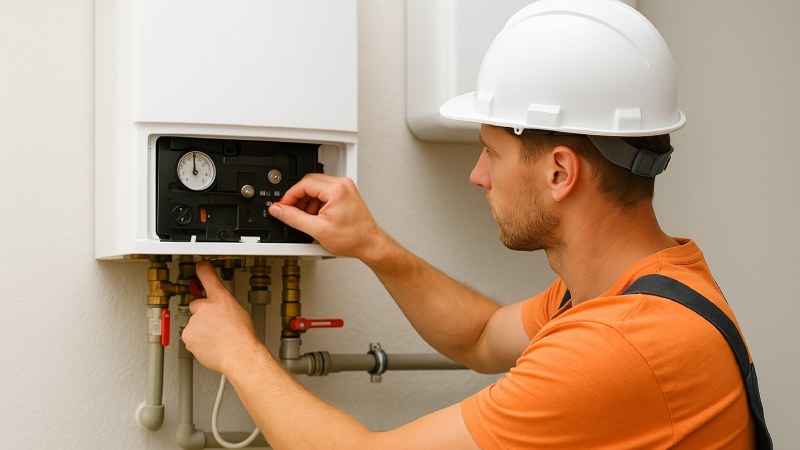
Boiler systems often work quietly for months, then suddenly become the most important equipment in the home when cold weather arrives. If small issues are hidden within the system, winter demand can quickly expose them. Leaks, pressure changes, worn valves, noisy pipes, dirty burners, and weak circulation can all reduce comfort once temperatures drop. A pre-winter inspection helps identify these concerns before the boiler must run daily. Careful attention before the season begins can support safer heating, steadier warmth, lower strain, and fewer interruptions during the coldest nights of the year.
Strong Heat Needs Early Checks
Water Pressure and Leaks Must Be Reviewed
Boiler systems depend on proper water pressure to move heat through radiators, baseboards, or radiant floor lines. If the pressure is too low, some rooms may not receive enough heat. If it is too high, valves, seals, and connected parts may face added stress. A pre-winter inspection allows the system to be checked before daily heating demand begins. A Heating contractor can inspect pressure readings, look for hidden leaks, check expansion tank performance, and confirm that valves are operating correctly. Small leaks can be easy to miss because they may appear as light staining, minor corrosion, or dampness near fittings. During winter, those same weak points can worsen as the boiler runs longer cycles. Finding pressure concerns early helps protect both comfort and equipment condition. It also reduces the chance of waking up to uneven heat, water near the unit, or a boiler that shuts down when heat is needed most.
Burner and Ignition Performance Affect Reliable Heat
A boiler must ignite and burn fuel properly to provide steady heat. If the burners are dirty, ignition components are weak, or flame performance is uneven, the system may struggle to start or shut down during operation. These issues can become more noticeable during winter because the boiler must respond more often to thermostat calls. An inspection before the season gives a technician time to review burner condition, ignition response, flame quality, fuel connections, and safety controls. This matters because poor combustion can reduce heating output, increase fuel use, and create unsafe operating conditions. A boiler that starts slowly, makes rumbling sounds, or produces unusual odors should not be ignored. Pre-winter service helps correct these concerns before the system is under constant demand. When ignition and burner components are clean and functioning properly, the boiler can produce heat more consistently and help keep a home warmer during long cold stretches.
Circulation Problems Can Leave Rooms Cold
Even when a boiler produces heat, the system must distribute warmth properly throughout the home. Circulation problems can cause certain rooms to stay cold while others feel comfortable. Air trapped in the lines, failing circulator pumps, closed valves, sediment buildup, or poor flow through radiators can all limit heat delivery. A pre-winter inspection helps technicians identify these problems before cold weather makes them harder to tolerate. The technician checks pump operation, listens for unusual pipe sounds, inspects zone valves, confirms water flow, and looks for signs that air needs to be removed from the system. This step is important because uneven heat often points to movement problems rather than boiler power alone. If circulation is weak, the boiler may run longer while still failing to warm the entire home. Correcting flow issues before winter helps each room receive heat more evenly. It also helps reduce unnecessary strain because the system can satisfy the thermostat without extended operation.
Safety Controls and Venting Need Attention
Efficiency Improves When Parts Are Clean
A boiler with dirty or worn parts may still run, but it may use more energy to produce the same amount of heat. Sediment, soot, mineral buildup, dusty burners, weak pumps, and neglected components can all reduce performance. When a technician inspects the system before winter, they can identify and correct these conditions before heating bills rise. Cleaning and adjustments help the boiler transfer heat more effectively and run with less strain. This can make a noticeable difference during the colder months, when the system runs daily. An inspection can also reveal weak pipe insulation, incorrectly set controls, or old parts that affect operation. Improved efficiency is not only about saving money; it also enhances comfort by allowing the boiler to respond more steadily to heating needs. A cleaner, properly adjusted system is less likely to cycle poorly, overwork, or fall behind when outdoor temperatures stay low for several days.
Pre-Winter Inspection Reduces Heating Surprises
A boiler inspection before winter helps protect comfort, safety, and system reliability before cold weather places heavy demand on the equipment. Pressure concerns, leaks, burner problems, circulation issues, venting trouble, dirty parts, and weak controls can all become more serious once the boiler runs daily. Addressing these concerns early gives homeowners time to make repairs before they urgently need heat. It also helps the system warm rooms more evenly, operate with less strain, and avoid sudden shutdowns during cold nights. Preparing the boiler before winter creates a more dependable heating season and helps the home stay comfortable when temperatures fall.