
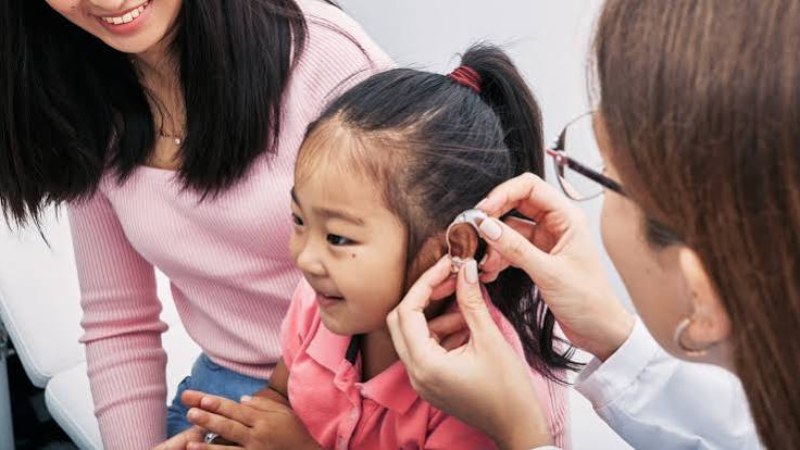
Children’s hearing health is one of the most important and most frequently overlooked areas of developmental wellbeing. Hearing affects everything from speech and language acquisition to social development, learning, and academic performance. When a hearing issue goes undetected or is detected late, the impact can ripple across multiple areas of a child’s development in ways that are difficult and costly to address after the fact. The good news is that early identification almost always enables better outcomes, and the process of identifying a hearing concern is far simpler than most parents expect.
How Common Are Hearing Problems in Children?
Hearing difficulties in children are more prevalent than most parents realise. Some degree of hearing loss is present at birth in a small but significant proportion of children. A much larger number develop hearing issues in the early years as a result of recurrent ear infections, fluid in the middle ear, or other conditions that temporarily or permanently affect hearing function. For many of these children, the hearing difficulty is subtle enough that it goes unnoticed for years, with the effects attributed instead to attention difficulties, speech delays, or slow academic progress.
Signs That a Child’s Hearing May Need Assessment
Parents are often the first to notice something is different, even when they cannot immediately name what it is. Common indicators of a potential hearing issue in children include delayed speech or language development, difficulty following instructions in a group setting, frequently asking for repetition, watching speakers’ faces very closely, turning the volume up on devices, or appearing inattentive in noisy environments. None of these signs confirms a hearing problem on their own, but any combination of them warrants a professional assessment.
Consulting a qualified audiologist in Auckland is the appropriate first step. A comprehensive hearing assessment by a trained clinician provides a clear picture of the child’s hearing function across all frequencies and identifies whether any intervention or further investigation is warranted.
Understanding Auditory Processing Disorder
Some children have hearing thresholds that fall within the normal range but still struggle significantly with listening. This is often caused by auditory processing disorder, a condition in which the brain has difficulty interpreting and making sense of sound even when the ears themselves are functioning normally. Children with this condition often appear to hear selectively, struggle in background noise, have difficulty following spoken instructions, and may experience frustration or fatigue in environments with high auditory demand.
Auditory processing disorder requires specialist assessment that goes beyond a standard hearing test. It is assessed through a specific battery of tasks designed to evaluate how the brain handles different types of auditory information. SoundSkills Family Hearing Centre provides specialist assessment and management for children with auditory processing difficulties, offering families a clear diagnosis and a practical management plan that includes strategies for both home and school environments. Our clinic also provides gentle ear wax removal services in Auckland for both adults and children.
What Happens During a Child’s Hearing Assessment
A paediatric hearing assessment is designed to be child-friendly and is conducted by clinicians who are experienced in working with children of all ages. For younger children, play-based techniques are used to assess hearing responses without requiring the child to follow complex instructions. For older children, more traditional audiometric testing is appropriate. The assessment typically takes less than an hour and produces a clear report that parents can share with their child’s school, GP, or other health professionals involved in the child’s care.
Early Action Makes the Biggest Difference
The developmental window for language acquisition is a real and finite period. Children who experience hearing difficulties during these early years, particularly if those difficulties go unaddressed, may face language, literacy, and social challenges that require significant effort to overcome. Early identification and appropriate management dramatically reduces the impact of hearing difficulties and gives children the foundation they need to develop on a trajectory consistent with their genuine potential.
If you have any concern about your child’s hearing, do not wait for the next school screening or routine check-up. A direct referral to a specialist hearing clinic is the most efficient path to an accurate answer and, where needed, effective support.
Disclaimer: This article is intended for general informational purposes only and should not be considered medical advice. Every child is different, and hearing concerns should be assessed by a qualified healthcare professional or audiologist. If you have concerns about your child’s hearing or development, please seek professional advice.
Submitted by Elliott SEO Agency Auckland