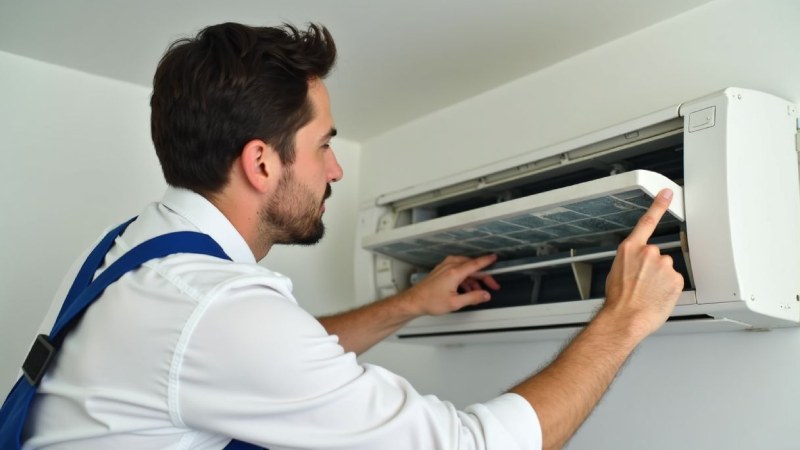
Older cooling systems often struggle to meet the demands of modern homes, leading to uneven temperatures, higher energy bills, and frequent performance issues. Upgrading an outdated cooling system is not simply about replacing an old unit with a newer model. It involves understanding the home’s layout, existing equipment, airflow patterns, electrical requirements, and long-term comfort needs. A proper upgrade can improve efficiency, reduce unnecessary expenses, and create a more reliable indoor environment. Working with the right professional during this process helps homeowners avoid costly mistakes and ensures that every part of the new cooling setup functions properly.
Updating Cooling Systems for Modern Comfort
Understanding the Upgrade Process
Replacing an aging cooling system requires more than removing old equipment and installing a new machine. Many older systems were designed according to past building standards, and their components may not match the requirements of current technology. Before an upgrade begins, an evaluation of the existing setup is necessary to identify issues that could affect the new system’s performance. Factors such as duct condition, insulation quality, ventilation paths, and electrical capacity all influence the final results. A trained professional can examine these areas and determine which changes are needed before installation. This preparation helps prevent problems such as poor airflow, frequent cycling, or reduced cooling capacity after the upgrade.
An Air conditioning contractor plays an important role in connecting the old system to the new cooling technology while ensuring the transition is handled correctly. The contractor can assess whether certain parts of the current setup can remain or whether they need replacement to support improved performance. This type of planning protects homeowners from investing in a new unit that cannot operate efficiently because of outdated supporting components.
Choosing the Right Cooling Equipment
Modern cooling systems offer many improvements over older models, including more efficient energy use, better temperature control, and quieter operation. However, selecting the right system requires careful consideration, as every home has different cooling needs. A unit that is too large may turn on and off too often, while a unit that is too small may run constantly without providing enough comfort. The right choice depends on factors such as home size, room layout, climate, and existing ventilation. A contractor helps homeowners understand these differences and choose equipment that matches their specific needs rather than simply selecting the newest option available.
The upgrade process also involves reviewing available features that can improve daily comfort. Newer cooling systems may include improved controls, better humidity management, and options that allow homeowners to adjust settings more easily. However, these features only provide value when the system is installed correctly and matched with the home environment. A careful assessment ensures that the chosen equipment supports the household’s lifestyle while avoiding unnecessary costs. A knowledgeable contractor considers both current comfort needs and future maintenance requirements, helping homeowners make a practical investment.
Improving Energy Efficiency and Reducing Costs
One of the main reasons homeowners upgrade outdated cooling systems is to lower energy consumption. Older units often lose efficiency due to worn components, outdated designs, and reduced performance from many years of use. Even when repairs keep an old system running, it may continue to use more electricity than a newer system would. An upgrade can help reduce monthly utility expenses by improving the efficiency of energy conversion into cooling power. However, the savings depend on proper installation and system selection, which makes professional involvement an important part of the project.
A contractor helps identify areas where energy is being wasted and recommends improvements to improve operational efficiency. This may involve adjusting airflow, replacing damaged duct sections, improving connections, or ensuring the new equipment works efficiently with the home’s structure. Small installation mistakes can prevent a new system from reaching its expected performance level. A properly completed upgrade allows homeowners to receive the benefits of modern cooling technology while avoiding issues that could lead to unnecessary energy use. Over time, improved efficiency can make a noticeable difference in household expenses and overall comfort.
Protecting Indoor Air Quality and Comfort
An outdated cooling system can affect more than temperature control. Older equipment may contribute to poor airflow, increased dust circulation, and inconsistent comfort between rooms. Modern upgrades often provide opportunities to improve indoor air quality by addressing problems that existed within the previous system. During the upgrade process, a contractor can review filtration options, ventilation conditions, and airflow balance to create a healthier indoor environment. These improvements help ensure that the cooling system supports both comfort and cleaner air throughout the home.
A new system must work in concert with the rest of the house to deliver balanced results. If ducts are poorly designed or damaged, even a high-quality cooling unit may fail to deliver consistent temperatures. Addressing these concerns during an upgrade prevents homeowners from experiencing the same problems with new equipment. Proper planning allows the entire cooling network to operate more effectively. By considering the entire system rather than just the main unit, homeowners can achieve greater comfort and a more enjoyable living environment across seasons.
Avoiding Installation Problems and Future Repairs
A cooling system upgrade is a significant investment, so avoiding installation errors is essential. Improper sizing, incorrect connections, or overlooked electrical concerns can create problems that shorten the lifespan of new equipment. These mistakes may lead to frequent breakdowns, increased maintenance needs, and unexpected expenses. Having a contractor manage the installation process reduces the chance of these issues occurring because each step receives careful attention. A properly installed system is more likely to perform consistently and maintain its efficiency for a longer period.
The installation stage also provides an opportunity to improve areas that may have been neglected over the years. Old wiring, worn duct materials, or outdated controls can limit the performance of new equipment. Addressing these concerns during the upgrade prevents future disruptions and helps homeowners get greater value from their investment. A reliable cooling system depends on the relationship between all its parts, not just the main unit. Careful installation creates a foundation for dependable operation and reduces the likelihood of problems appearing shortly after the upgrade is completed.
Upgrading an outdated cooling system is a valuable step toward improving comfort, efficiency, and indoor air conditions. The process requires careful evaluation, suitable equipment selection, and proper installation to achieve the expected results. A contractor helps homeowners navigate the challenges involved in replacing older systems while ensuring that every part of the upgrade works together. Modern cooling technology offers many advantages, but those benefits depend on how well the system fits the home and how carefully it is installed. Investing in a thoughtful upgrade can reduce future problems, improve daily comfort, and provide a dependable cooling solution for many years.