Salt Lake City homeowners often want windows that can support comfort through bright, dry summers, cold winter nights, and large temperature swings. A successful project starts by identifying the rooms that need the most attention, then matching window choices to the home, the view, and how each space is used. Exploring various residential window options for your Salt Lake City home can help turn that first assessment into a practical replacement plan.
A room-by-room approach prevents a common mistake: choosing a single window style or glass package for every opening without considering each opening’s purpose. A sunny living room near the Wasatch Front may need glare control, while a bedroom facing a busy street may place a higher value on quiet operation and privacy. Start with a simple worksheet listing the room, window location, visible issues, desired improvements, approximate dimensions, and priority level.
Step One: Inspect Existing Windows Before Shopping
Walk through the home and check both the window and the surrounding trim. Look for drafts, fogging between panes, water stains, soft or deteriorated wood, difficult operation, damaged hardware, cracked glass, and sashes that will not stay open or lock properly. Cold glass can feel uncomfortable in winter, even when outside air is not entering, so distinguish between surface temperature concerns and an actual air leak.
- Repair may be enough when weatherstripping, caulk, balances, locks, or other hardware need attention.
- Glass replacement may help when an insulated glass unit has failed, but the frame remains sound.
- Replacement may be the better path when there is repeated leakage, rot, substantial damage, or ongoing operating problems.
Step Two: Set Priorities by Room
Bedrooms
Prioritize temperature control, ventilation, privacy, and dependable locks. Before changing a bedroom window’s size or operating style, ask whether it serves as a required emergency escape opening and confirm applicable local requirements.
Living Rooms
Consider views, daylight, furniture placement, and direct sun. Large glass areas can make a room feel brighter, but sun exposure may also affect glare and comfort. Window coverings, exterior shading, and glass performance should be considered together.
Kitchens and Bathrooms
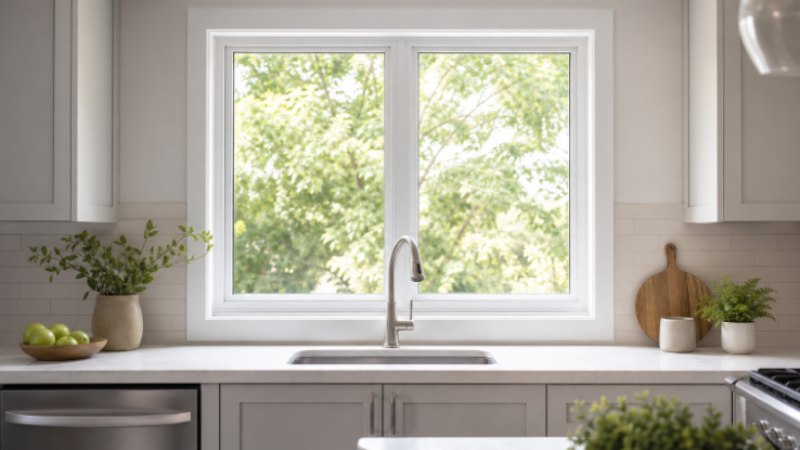
Kitchens benefit from windows that are easy to reach, open, and clean, especially near sinks or cooking areas. Bathrooms call for a balance of natural light, privacy, and ventilation. Textured glass, higher sill placement, or appropriate coverings can help preserve privacy without blocking all daylight.
Basements
Basement openings deserve special attention because drainage, moisture, window wells, safety, and emergency escape considerations can affect the scope. Do not order a new size until the opening and exterior conditions have been evaluated.
Step Three: Compare Materials and Operating Styles
Frame material affects appearance, maintenance, durability, and available design options. Vinyl is widely used and generally low-maintenance. Wood offers a traditional appearance and design flexibility but needs ongoing care. Aluminum can provide slim sightlines and strength, while fiberglass and composite options are often chosen for stability and durability. The right choice depends on budget, architecture, maintenance preferences, and the condition of the existing opening.
Also, match the operation to the room. Double-hung windows can suit spaces where familiar operation and cleaning access matter. Casement and awning windows can provide ventilation with a crank mechanism. Picture windows maximize light and views but do not open. Sliders, hoppers, bays, and bow windows each have distinct considerations for space, ventilation, and design.
Step Four: Read Performance Labels
Ask to see the label for the exact product configuration being quoted. The window performance guidance for your climate explains why U-factor and solar heat gain coefficient should be considered together. U-factor describes how well a window insulates, while the solar heat gain coefficient indicates how much solar heat passes through. Visible transmittance relates to daylight, and air leakage ratings can help compare how much air passes through window joints.
For Salt Lake City homes, avoid choosing solely on one number. Orientation matters. A west-facing room may have different sun-control needs than a shaded north-facing bedroom. Discuss the home’s exposure, indoor comfort concerns, and desired daylight level with the contractor before selecting glass.
Step Five: Choose Insert or Full-Frame Replacement
An insert replacement fits a new window within an existing frame and may preserve trim when the frame is structurally sound. Full-frame replacement removes more of the old assembly, allowing the installer to inspect the rough opening and address hidden deterioration, insulation gaps, flashing, and water-management details.
Ask every bidder what will be removed, how gaps will be insulated and sealed, and how exterior flashing will be handled. The installation checklist for window replacement highlights the importance of air sealing, flashing, manufacturer instructions, and local code compliance.
Step Six: Build a Complete Budget
Window cost is only part of the project. Account for labor, disposal, permits, trim repairs, paint, drywall work, siding adjustments, safety glass, difficult access, and possible concealed damage. Divide the project into three levels if needed:
- Essential work: Leaks, rot, failed seals, or unsafe operation.
- Comfort upgrades: Drafts, noise, glare, or uneven room temperatures.
- Design upgrades: New styles, larger views, or architectural changes.
Step Seven: Compare Contractors and Prepare for Installation
Request at least two or three itemized proposals with matching specifications. Each should identify the product, glass package, installation approach, exterior and interior finish work, cleanup, disposal, warranty coverage, and process for handling hidden damage. Ask who measures openings, who pulls permits when required, and who completes the final walkthrough.
Before installation day, remove curtains and nearby wall decor, move furniture away from openings, clear interior and exterior paths, protect fragile belongings, and make arrangements for pets. Confirm how alarms, sensors, and smart-home devices will be handled.
Final Walkthrough Checklist
- Open, close, lock, and operate every window.
- Check glass, screens, hardware, trim, and finishes for visible damage.
- Review interior and exterior seals for a complete, neat appearance.
- Confirm debris removal and ask for care instructions and warranty documents.
- Document unresolved items before approving the final payment.
Conclusion
A thoughtful Salt Lake City window replacement project is not a rushed product purchase. By inspecting each opening, prioritizing rooms based on real needs, comparing equal scopes of work, and carefully reviewing installation details, homeowners can make decisions that support comfort, appearance, and long-term maintenance.