
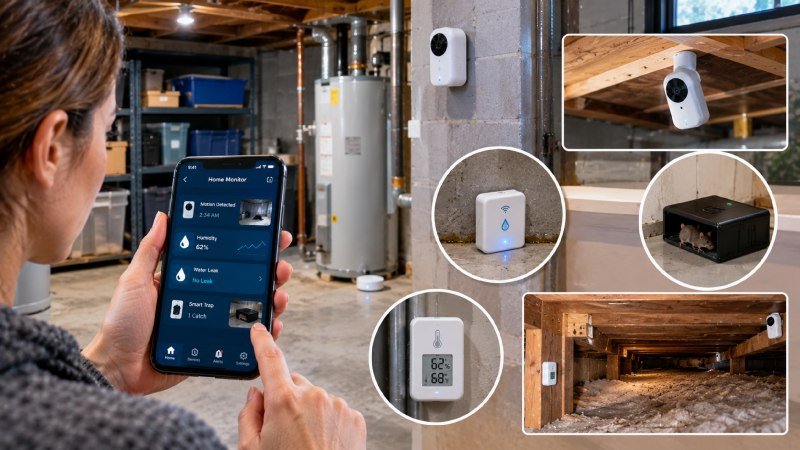
Most pest problems begin in rooms nobody visits. A garage corner, a dark attic, or a damp utility closet can host mice, roaches, or termites for weeks before a single sign reaches the living room. Connected devices now make it possible to watch those spaces without climbing a ladder or crouching in a crawl space. Rogers homes, with their humid summers, cool autumn nights, and plenty of older construction, give pests good reasons to settle in unseen. The sections below cover which devices help, what patterns they can reveal, how to place them, and how to pair data with a physical check.
Why Low-Traffic Spaces Need Extra Eyes
Pests prefer quiet. Attics, basements, garages, and utility rooms get little foot traffic, so insects and rodents face almost no disturbance. These areas also tend to hold moisture, clutter, and gaps that connect to the outdoors. A small leak behind a water heater or a mouse using a gap beside a pipe can go unnoticed through an entire season.
Occasional inspections help, but conditions change between visits. Humidity climbs during a rainy week, a drain begins to drip, and a storm opens a new gap. Monitoring fills the space between checks by recording what happens when nobody is looking. That continuous record is the real advantage, since a single glance at a room tells you how it looks today, while a log tells you how it has been behaving.
Cameras, Sensors, and Smart Traps
Motion-activated cameras work well for larger movement. A small unit aimed at a garage wall, an attic hatch, or a pantry shelf can capture rodents at night, when they are most active, and time stamps show when traffic peaks. Cameras are less useful for tiny insects, so treat them as a tool for mice, rats, and other animals large enough to register.
Moisture sensors cover a different need. Humidity monitors report conditions in basements, crawl spaces, and attics, while leak detectors sit near water heaters, washing machines, and sinks and alert you when water touches them. Insects such as roaches, silverfish, and termites depend on damp conditions, so moisture data often points to trouble before pests appear. Smart traps add a third layer. Connected snap traps and bait stations send a notification when triggered, which spares you from checking them daily and shows exactly when a catch occurred. Together, these devices turn guesswork into a timeline.
Patterns That Data Can Reveal
A single alert rarely means much. Patterns do. Consider a few examples of what repeated data can show:
- Motion triggered between midnight and 4 a.m. near the same wall, suggesting a nightly rodent route
- Humidity that climbs each afternoon in a crawl space and stays high, pointing to a drainage or ventilation problem
- Repeated leak alerts at the same spot, which indicate a slow drip or condensation instead of a one-time spill
- A smart trap that fires several times in a week along one baseboard, hinting at more than one animal
- Activity clustering near a garage door seal or a vent, which suggests a specific entry point
Trends matter more than spikes. A steady rise in humidity over several days tells a more useful story than a brief jump after a shower. Reviewing the data weekly, and noting the time of day and location of each alert, shows which spaces deserve attention first.
Matching Data With a Physical Inspection
Technology flags where to look, but it cannot confirm what is happening. A moisture alert in the basement should send you to check for damp insulation, stains, or mold. A midnight motion alert in the attic calls for a flashlight search for droppings, gnaw marks, shredded insulation, and entry points. Sensors raise the question, and a physical check answers it.
When the two line up, the picture becomes clear. Nighttime motion plus droppings in the garage, or persistent humidity plus mud tubes or soft wood, suggests an ongoing problem that cleaning and sealing may not solve. At that point, bringing logs and photographs to Allen Pest Management gives a technician a head start, since the records show how long conditions have persisted and where activity concentrates. Pest management experts can then identify the species, locate hidden entry points, and recommend treatment matched to what is present. A homeowner who arrives with dates, screenshots, and photographs replaces vague memory with specifics, and that shortens the inspection.
Setting Up Monitoring That Stays Useful
A modest setup beats a house full of devices. Start with the highest-risk spaces, then expand only if the data justifies it. A practical approach includes these steps:
- Place humidity sensors in the basement, attic, crawl space, and any utility room.
- Put leak detectors near water heaters, washing machines, sinks, and sump pumps.
- Aim one motion camera at a likely route, such as a garage corner or attic access.
- Add a smart trap near any spot where droppings or gnawing have appeared.
- Set alert thresholds that reflect real concerns, so notifications stay meaningful.
- Review the logs monthly and compare them with a quick walk through each space.
Alert fatigue is a real risk. Too many notifications train people to ignore them, so adjust thresholds until alerts appear only when action is worthwhile. Check batteries and Wi-Fi strength regularly, since a dead sensor offers false reassurance. Privacy deserves a thought too. Keep cameras in utility areas, avoid pointing them into living spaces, and secure accounts with strong passwords.
Final Analysis
Connected devices give homeowners an early view of conditions that attract pests, especially in spaces that rarely get visited. Motion cameras reveal nighttime movement, moisture sensors flag the dampness pests need, and smart traps report catches as they happen. None of them replaces a flashlight and a careful inspection, but together they show where to look and when. Start small, tune the alerts, and follow every warning with a physical check. When data and visible signs agree, acting early keeps a small problem from becoming an expensive one.