
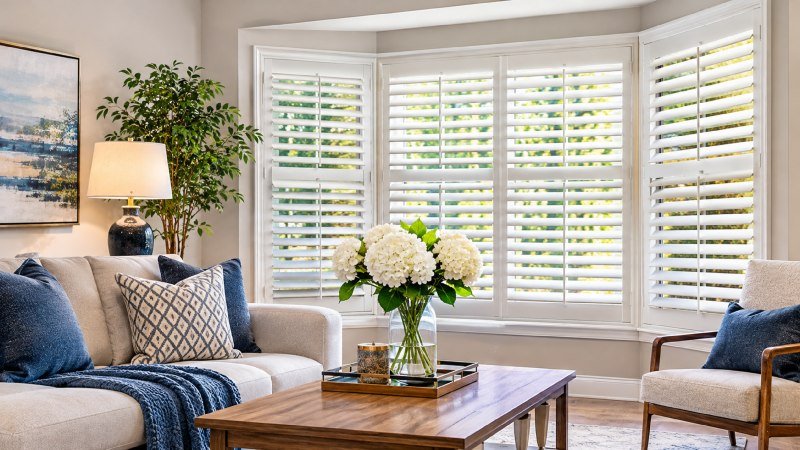
Window shutters remain a practical choice for homeowners seeking a tailored window treatment that offers structure and flexibility. Adjustable louvers can soften direct sun, preserve privacy, and still allow natural light into a room. When comparing materials, finishes, and panel configurations, homeowners can check out their shutter options to see how different designs may fit their windows and daily routines.
The most successful choice starts with function rather than color alone. A street-facing bedroom may need privacy in the evening, while a home office may need glare control during the day. A kitchen or bathroom may require a material that handles humidity and frequent cleaning more comfortably than natural wood.
In simple terms, window shutters consist of a framed structure with panels or louvers that cover an opening. That construction gives them an architectural presence that curtains and many shades lack. The result can feel built in, especially when the frame, finish, and proportions suit the existing trim.
Why Window Shutters Still Suit Modern Homes
Shutters have a long history, but they do not need to make a room feel dated. Clean lines, larger louvers, simple white finishes, and well-proportioned panels can complement contemporary interiors. In more traditional homes, smaller louvers, stained wood, or divided panel layouts can add detail without overwhelming the window. Their lasting appeal comes from combining visual order with practical control over light and visibility.
Start With the Room’s Main Need
Think about how the room is used before narrowing the options. For privacy, prioritize windows near sidewalks, neighbors, or busy streets. For strong sun, especially at east-, south-, or west-facing windows, choose operable louvers that can redirect light rather than completely closing off the room. Bedrooms may benefit from full-height coverage, while offices often benefit from a layout that manages screen glare without sacrificing daylight.
Compare Common Shutter Materials
Wood Shutters
Real wood brings natural grain, warmth, and variation that can suit bedrooms, dining rooms, living spaces, and offices. Painted wood can look crisp and formal, while stained wood can support a warmer or more relaxed design. Because wood is a natural material, consider humidity levels, cleaning habits, and whether the room is exposed to regular splashes or steam.
Composite Shutters
Composite shutters are engineered alternatives that resemble painted wood or a smooth, painted finish. They can be a sensible option for active households and rooms where moisture or routine wiping is a concern. Compare samples in the actual room, since texture, color depth, and panel weight can vary between products.
Vinyl and Other Synthetic Options
Vinyl and other synthetic materials may be useful where moisture resistance and easy cleaning are priorities. Their appearance and feel can differ from wood, so inspect the louver profile, frame shape, finish, and available colors before deciding. A material that works beautifully in a bathroom may not be the preferred visual choice for a formal living room.
Choose Louver Size and Panel Layout
Louver size changes both the amount of visible detail and the view through an open shutter. Smaller louvers often create a more traditional, detailed look. Medium louvers offer a balanced appearance for many windows. Larger louvers can create wider sightlines and a cleaner visual effect, though they may appear more substantial on compact windows.
Panel layout matters just as much. Full-height panels cover the entire opening and create a unified look. Café-style shutters cover the lower section, providing privacy while leaving the upper glass open for daylight. Tier-on-tier designs allow the top and bottom sections to operate independently, which can be useful in rooms that need both privacy and daylight. Folding or tracked panels can help plan for wide windows, patio doors, and unusual openings.
Inside Mount or Outside Mount?
An inside mount fits within the window recess and can create a contained, built-in appearance. It requires sufficient depth and clearance around handles, locks, and inward-opening sashes. An outside mount sits over the opening or trim and can be useful when a recess is shallow, uneven, or interrupted by window hardware.
Before choosing either approach, check the following details:
- Depth at several points inside the opening.
- Width and condition of surrounding trim.
- Placement of locks, cranks, handles, and hinges.
- Whether the window opens inward or outward.
- Whether the frame is square from top to bottom.
Match Shutters to Different Rooms
Living rooms usually call for a balance of daylight, views, and a finish that works with the main décor. Bedrooms often place greater emphasis on privacy and on managing early-morning light. In kitchens, choose finishes that can be wiped clean and ensure panels do not interfere with counters, sinks, or nearby appliances.
Bathrooms need extra attention to humidity, ventilation, and water exposure, making moisture-conscious material selection especially important. In home offices, adjustable louvers can help reduce glare on screens, provide a polished video-call background, and give occupants more control over privacy during the workday.
Use Color, Finish, and Comfort Considerations Carefully
White and soft neutral finishes can keep a room bright and allow the shutter frame to blend with trim. Natural wood tones add visual warmth, particularly when paired with wood flooring or furniture. Matching the shutters to the trim creates a quiet architectural effect, while a contrasting color makes the window more of a focal point. Always view samples in morning, afternoon, and evening light before making a final selection.
Window coverings can also influence glare and perceived comfort. The proper use of interior shades and blinds can reduce unwanted solar heat gain, and shutters can similarly help occupants manage direct sun through daily adjustment. Actual energy performance still depends on the window, glass, installation quality, climate, and how the covering is used, so it is best to avoid assuming a specific utility-cost reduction.
Measure Before Choosing a Style
- Measure width at the top, middle, and bottom of the opening.
- Measure height on the left, center, and right.
- Record recess depth and trim dimensions.
- Note handles, locks, hinges, cranks, and window operation.
- Check for uneven walls or an out-of-square frame.
- Use the smallest relevant measurement when planning a close inside fit.
Professional measuring can be worthwhile for specialty shapes, large openings, angled windows, doors, and tight clearances. Small measurement errors can affect alignment, panel movement, and the finished appearance.
Common Questions About Window Shutters
Do shutters make a room look dark?
Not necessarily. The result depends on window direction, louver size, finish color, and how the louvers are positioned. Light-colored shutters and open louvers can maintain a bright feel while still filtering direct sun.
Can shutters work on small or large windows?
Yes, but scale matters. Smaller windows may look best with simple frames and appropriately sized louvers. Large windows require attention to panel weight, support, opening direction, and whether folding or bypass-style operation is needed.
Are shutters difficult to clean?
Routine dusting with a soft cloth or duster is usually enough for regular care. Follow the material manufacturer’s guidance for spot cleaning, particularly for painted wood or specialty finishes.
A Simple Selection Checklist
- Room function, privacy needs, and sun exposure.
- Window size, shape, depth, and operation.
- Material, finish, louver size, and panel layout.
- Humidity, cleaning routine, and nearby obstacles.
- Installation requirements, budget, and long-term design goals.
Conclusion
The best window shutters do more than look attractive. They should fit the opening accurately, support the way a room is used, and give occupants meaningful control over light and privacy. By comparing material choices, louver sizes, mounting options, and panel layouts, homeowners can choose shutters that feel intentional, comfortable, and well suited to their home.