
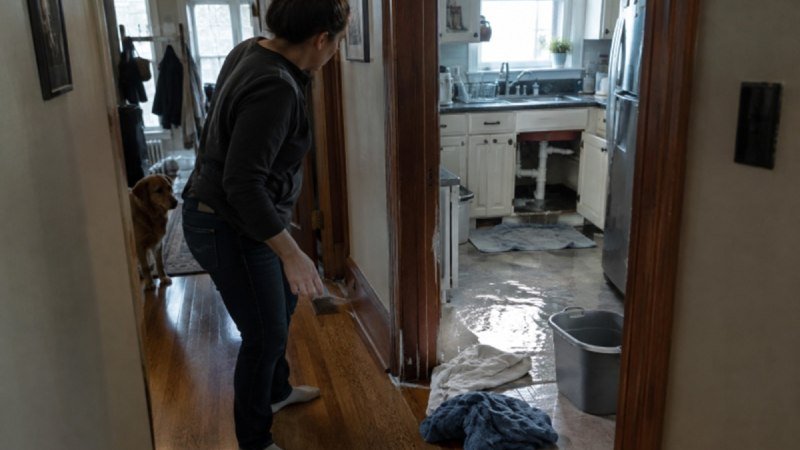
In Chicago, Illinois, a plumbing problem can escalate quickly, especially during a bitter winter freeze, a heavy rainstorm, or a busy morning in a multi-unit building. Water can move through cabinets, ceilings, floors, and shared walls faster than most homeowners expect. Knowing what to do in the first few minutes can protect people, pets, and property while you arrange for an emergency plumber in Chicago. The priority is not making a permanent repair. It is stabilizing the situation without creating a new hazard. Stay calm, keep people away from the affected area, stop the water when it is safe to do so, and avoid electrical, gas, and wastewater hazards.
The First Few Minutes Matter
First, look for immediate danger. Move children, pets, and anyone with mobility concerns away from wet areas. Do not rush through standing water to save belongings, particularly if water is near outlets, extension cords, appliances, or a breaker panel. In older Chicago homes with finished basements, water can travel behind walls or beneath the flooring before a visible puddle forms. If the route is dry and safe, move furniture, electronics, rugs, and valuables away from the leak. Use towels or buckets only after the water source is controlled or reduced. A fast response can limit the spread of damage, but personal safety always comes first.
How to Tell Whether It Is a True Emergency
A true plumbing emergency involves uncontrolled water, a sanitation concern, loss of essential service, or a possible electrical or gas hazard. These situations generally need immediate professional attention:
- A burst pipe or a leak that cannot be contained.
- Water entering ceilings, walls, electrical areas, or occupied rooms.
- Sewage coming up through a floor drain, toilet, tub, or shower.
- A leaking water heater tank or a water heater accompanied by a gas odor.
- A frozen pipe that has cracked or is visibly leaking as it thaws.
- A complete loss of water when there is no known utility interruption.
A dripping faucet, slow drain, or running toilet may be able to wait if it is contained and not overflowing. However, treat any issue as urgent if the flow increases, multiple fixtures are affected, or the problem reaches electrical equipment or wastewater.
How to Shut Off Water Safely
For a leak at a single fixture, use the nearby shutoff valve if it is accessible and dry. Sink valves are usually below the cabinet, while a toilet valve is often behind or beside the bowl. Turn the valve slowly clockwise. Do not force a corroded valve, because it can break and worsen the leak. For a burst pipe, major ceiling leak, or water that cannot be isolated, shut off the main water supply if you can reach it safely. Many Chicago homes have the main shutoff near the water meter, in a basement utility area, or where the service line enters the building. Tell everyone in the household that the water is off, and avoid using fixtures until the issue is assessed.
Electrical and Gas Hazards Need Different Responses
Water Near Electricity
Do not walk through water near electrical outlets, appliances, cords, or the electrical panel. Do not touch electrical equipment with wet hands. If power cannot be shut off from a dry location, leave the area and seek qualified help. A growing ceiling stain beneath a bathroom or kitchen sink should also be taken seriously, as water may be collecting near wiring or light fixtures.
Gas Odor or Hissing
Immediately leave the property if you notice a gas odor or hear a hissing noise coming from a water heater, boiler, or appliance. Do not use light switches, appliances, lighters, or a phone inside the property. Call 911 or the gas utility from outside and do not return until officials say it is safe. Basic safety steps for household plumbing incidents are also covered in this guidance for plumbing emergencies.
Steps for Common Plumbing Emergencies
Burst or Frozen Pipe
Shut off the nearest valve or the main supply. During Chicago winters, frozen pipes are a particular concern in exterior walls, unheated basements, crawl spaces, garages, and areas near drafty windows. If a pipe is frozen but has not split, turn off the water before thawing it. Use gentle warm air from a hair dryer only when the area is dry and safe. Never use an open flame.
Overflowing Toilet
Turn the toilet supply valve clockwise, stop flushing, and avoid running nearby fixtures. Keep children and pets away from the water. Do not pour chemical drain cleaner into an overflowing toilet, as it may splash or create an additional hazard for the person repairing it.
Leaking Water Heater
If it is safe to do so, close the cold-water supply valve to the heater. For an electric unit, turn off power at the breaker only if the panel and floor are dry. Do not attempt to move a heavy tank, tamper with a damaged relief valve, or investigate a suspected gas leak.
What to Do During a Sewer Backup
Stop using toilets, sinks, showers, dishwashers, and washing machines immediately. Wastewater can contain contaminants, so keep people and pets out of the affected area. Do not pump contaminated water into another room or mix bleach with other cleaning products. Chicago’s sewer system can be overwhelmed during heavy summer storms, and backups often first appear in basement floor drains and lower-level fixtures. Take photos from a dry location, note where the backup began, and contact the appropriate utility if a public sewer problem may be involved. When sewage reaches finished floors, walls, or stored belongings, cleanup may require professional help. The EPA advises people dealing with contaminated water to watch for electrical and structural hazards, wear appropriate protection, and document damage before cleanup, as outlined in its flooded home safety guidance.
Before Professional Help Arrives
- Take photos and short videos from a safe, dry position.
- Record when the problem started and which rooms or fixtures are affected.
- Clear a safe path to the fixture, shutoff valve, water heater, or basement drain.
- Secure pets away from the work area.
- Keep receipts for emergency supplies and cleanup materials.
- Share details about prior leaks, repairs, pipe freezing, unusual sounds, or recurring backups.
Mistakes to Avoid
- Waiting while water continues to flow.
- Crossing standing water to reach a breaker panel or valve.
- Using a torch, space heater, or open flame to thaw a pipe.
- Adding drain cleaner to a backed-up fixture.
- Continuing to use plumbing during a sewer backup.
- Removing wet drywall or flooring before the source is controlled.
- Attempting a gas-line repair without proper training.
Prepare Your Chicago Home Ahead of Time
Before the next cold snap or storm, locate the main water shutoff and show household members where it is. Label fixture valves, check visible supply lines for corrosion or dampness, and inspect the water heater area for pooling. Keep a flashlight, gloves, towels, a bucket, an adjustable wrench, utility contacts, and insurance information in an easy-to-find place. When a plumbing emergency happens, protect people first, stop the water if it is safe, and avoid electrical, gas, and wastewater hazards. Quick, calm action can reduce damage in a Chicago home, but no repair is worth risking an injury.
Conclusion
Plumbing emergencies in Chicago can cause significant damage if they are not addressed promptly, especially during winter freezes and heavy storms. Homeowners should prioritize safety, shut off the water when possible, and avoid electrical, gas, and wastewater hazards before attempting any cleanup. Knowing how to respond to burst pipes, overflowing toilets, water heater leaks, and sewer backups can help prevent further damage while waiting for professional assistance. Preparing emergency supplies and locating shutoff valves in advance can also make unexpected situations easier to manage. When a problem cannot be safely contained, contacting a qualified emergency plumber can help address the issue and protect the property.