
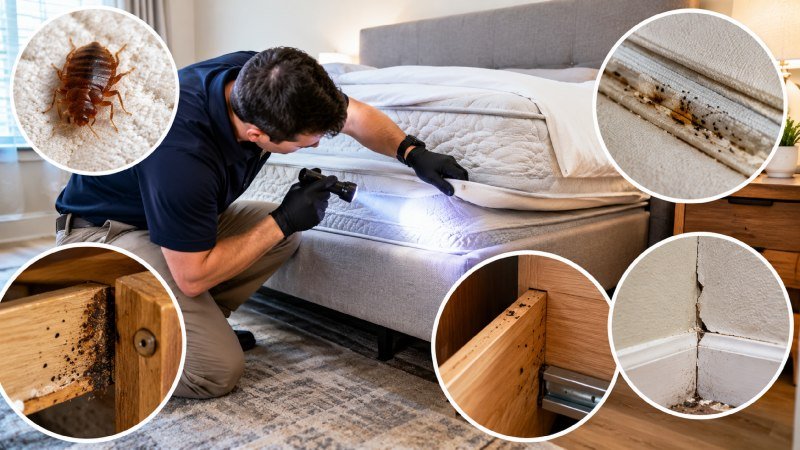
When bed bugs are discovered, the mattress is where most people look first and where most people focus their effort. Understandably so: bites occur in bed, and the bugs are often found along mattress seams. Yet bed bugs are skilled hiders. They spread into frames, baseboards, furniture, electrical fixtures, and luggage, and a plan that stops at the mattress often leaves a large part of the population untouched.
This is why many infestations seem to return after an early attempt at control. The insects that survive in concealed spots recover, reproduce, and reappear. The sections below explain how bed bugs spread, which areas deserve inspection, what household steps help, and why a wider approach is often needed to resolve the problem.
How Bed Bugs Spread Beyond the Bed
Bed bugs are small, flat insects that feed on blood, usually at night. They do not live only on mattresses. They live wherever they can hide close to a host: in cracks, crevices, and folds. During the day they stay out of sight, and they emerge to feed when people are asleep. Because they need only a thin gap to hide in, they can occupy surprising places.
Spread happens in several ways. Bugs can crawl short distances between rooms along walls, pipes, and wiring. Adults and nymphs can travel on clothing, luggage, bags, and used furniture. Eggs are tiny and sticky, and they may be glued in seams and crevices where they are easily missed. In multi-unit buildings, bugs can move between apartments through shared walls and utility openings.
Because they are so small and so quiet, they are easy to underestimate. Disturbance can make things worse. Moving infested items between rooms, using certain over-the-counter products that scatter insects without killing them, and sleeping in a different room can spread the problem. People sometimes move to the sofa or a guest bed after a bad night, which gives the bugs a new feeding site.
A small population can grow gradually. Because bites do not affect everyone the same way, some residents do not notice bites for weeks. By the time an infestation is confirmed, bugs may already live in several areas.
Where Activity Hides Besides the Mattress
A useful inspection looks far beyond the mattress surface. Bed frames and headboards have joints, screw holes, and cracks that are ideal hiding places. Box springs often have fabric on the underside that provides folds and staples where bugs gather. Nightstands, dressers, and other furniture near the bed may hold bugs in drawer joints and behind drawers.
Baseboards and wall edges are also common. Bugs hide in cracks between baseboards and walls, behind loose wallpaper, and beneath peeling paint. Electrical outlets, switch plates, and wall fixtures offer protected voids. Curtains, picture frames, and items on shelves near the bed can hold insects as well.
Upholstered furniture deserves a careful look. Sofas, recliners, and chairs have seams, zippers, and frames that make good shelters. If people nap or sit near these items, bugs can establish themselves there.
Travel items matter too. Luggage, backpacks, and bags can carry bugs and eggs, and they are often stored in closets or under beds where the pests can spread. Signs to look for include small rust-colored or dark spots on fabric, shed skins, tiny white eggs, live insects, and a sweetish musty odor in heavy infestations.
Why Treating One Area Leaves Problems Behind
Focusing on a single visible area creates a false sense of progress. A mattress encasement and a thorough cleaning of the bed may reduce bites for a time, but bugs in the frame, the wall, or the nightstand will continue to feed and breed. Their numbers recover, and the problem seems to return.
Wherever bugs hide, treatment needs to reach them. That is why people who search for bed bug removal often find that a whole-room approach is recommended. Effective bed bug removal usually involves inspecting and addressing all areas where the insects might live, in the bedroom and in adjacent rooms. Treating only the mattress targets perhaps a portion of the insects and ignores the rest.
Another reason for a broader view is that bed bugs can resist some products. Some populations have developed tolerance to certain insecticides, and misapplication can reduce results or encourage movement. Professionals use a combination of methods, which may include heat, steam, vacuuming, targeted application, and monitoring, tailored to the situation.
Follow-up visits are an important part of the process. Eggs may hatch after the first treatment, so a second inspection helps confirm that no new insects have emerged. Trying to shorten the process often costs more time in the end.
Household Steps That Support Treatment
Residents can take several steps that improve results and avoid spreading the problem. A practical list includes:
- Reduce clutter around beds and along walls so hiding places and treatment barriers are limited
- Inspect nearby furniture, including nightstands, dressers, and upholstered pieces
- Launder bedding, curtains, and washable clothing on the hottest setting the fabric allows, then dry them on high heat
- Seal laundered items in clean bags until treatment is complete
- Vacuum mattresses, frames, and floors carefully, then empty the vacuum into a sealed bag outdoors
- Avoid moving infested items between rooms or carrying them through the home
Clutter reduction is especially helpful. Piles of clothing, boxes, and papers give bugs more places to hide and make treatment harder. Removing excess items, and storing the rest in sealed plastic bins, makes inspection simpler.
Residents should be cautious about discarding furniture. Throwing out a mattress or sofa can spread bugs through the hallway or stairwell, and replacements can be reinfested if the room is not treated. Wrapping items securely and following local disposal rules prevents spread. Questions about whether an item is worth saving are best answered by the professional treating the home.
Taking a Whole-Room or Whole-Home Approach
The scale of the response should match the scale of the problem. For a recent, limited infestation, treating the bedroom and adjoining spaces may be enough. For a longer-standing infestation, or one with signs in several rooms, a whole-home approach is more appropriate. In apartments and townhomes, coordination with neighbors and property managers often matters, because bugs can travel between units.
A thorough process starts with a detailed inspection. A technician checks the bed, furniture, baseboards, outlets, and other likely areas, and identifies how widespread the problem is. Treatment is then planned according to what is found. Monitoring devices and follow-up inspections track progress, and the plan is adjusted if bugs persist.
Prevention afterward is largely about vigilance. Inspect luggage and clothing after travel, check secondhand furniture before bringing it home, and use protective encasements on mattresses and box springs to eliminate hiding spots. Regular inspections of beds and nearby furniture help catch any return early.
Patience is part of the process. Bed bug problems can take several weeks to resolve, and feeling frustrated is normal. Staying consistent with preparation, following instructions, and keeping communication open with the service provider gives the best chance of a lasting result.
Final Analysis
Bed bugs spread well beyond the mattress, into frames, baseboards, nightstands, upholstered furniture, electrical fixtures, luggage, and nearby belongings. Treating only the most visible area leaves hidden populations that rebuild the problem.
Reducing clutter, inspecting adjacent furniture, laundering suitable fabrics, and avoiding the movement of infested items support treatment, while a whole-room or whole-home plan addresses the full extent of the infestation. A careful, patient approach gives households the best chance of ending the problem for good.
Ending an infestation depends on patience, thorough inspection, and treating every place the insects might hide. A plan that covers the whole room, and sometimes the whole home, is more likely to finish the job the first time.