
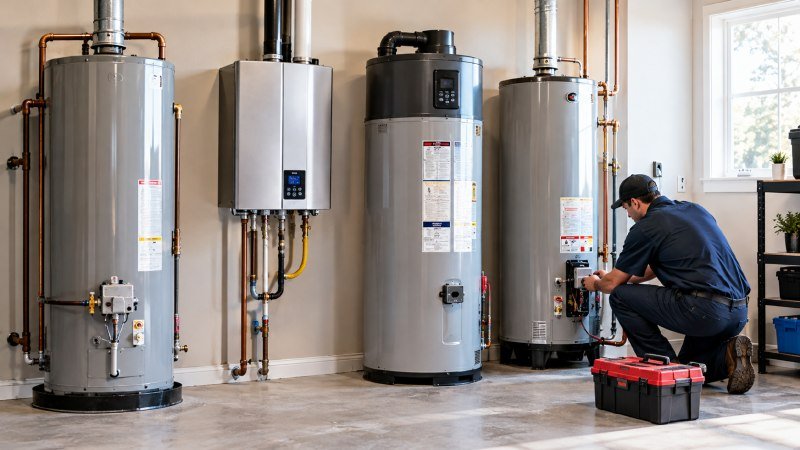
Hot water is easy to overlook until a morning shower turns cold, the dishwasher cannot keep up, or a leaking tank damages a utility-room floor. For Tulsa homeowners, choosing and caring for a water heater is a practical decision that affects comfort, cleaning, laundry, and monthly energy use. When trouble appears, arranging fast and reliable water heater repair near Tulsa OK can help limit disruption and clarify whether repair or replacement makes the most sense.
Planning matters because the lowest-priced unit is not always the least expensive choice over its useful life. Installation requirements, fuel availability, maintenance, household routines, and future repair needs can all change the total cost. A thoughtful decision before an emergency replacement gives homeowners more time to compare options instead of simply replacing the old unit with the nearest equivalent.
Why Water Heater Planning Matters In 2026
Tulsa homes range from older houses with established gas service to newer properties with larger electrical loads and busy family schedules. A system that works well for a two-person household may struggle when several people shower, run the dishwasher, and start laundry within the same hour. Home layout matters too. Long pipe runs, a large soaking tub, or a second-floor bathroom can influence the experience at the faucet.
New water heaters also offer more variety than a basic tank replacement. Storage tanks remain common, while tankless and heat pump systems offer different approaches to efficiency and hot-water delivery. The U.S. Department of Energy outlines how consumer water heaters include storage, instantaneous, and heat pump types, which makes it useful to compare the technology before choosing a replacement.
Main Water Heater Types
Traditional Storage Tank Water Heaters
A storage-tank heater keeps a set volume of water hot and ready for use. These units are familiar, widely available, and often simpler to replace when the home already has compatible connections. Their limits include the floor space they occupy, standby heat loss, and the fact that a household can temporarily exhaust the stored supply during heavy use.
Tankless Water Heaters
Tankless systems heat water as it passes through the unit. They save space and can provide continuous hot water as long as demand remains within the unit’s rated flow capacity. However, simultaneous showers and appliances can exceed that capacity. Installation can also require changes to gas piping, venting, electrical service, or water lines. Regular descaling may be important where mineral buildup affects the heat exchanger.
Heat Pump Water Heaters
Heat pump water heaters use electricity to move heat from surrounding air into stored water. They need adequate surrounding space, airflow, drainage for condensate, and a location where operating sound will not be disruptive. Their suitability depends on the home, installation location, and how the household uses hot water.
Gas And Electric Models
Gas and electric heaters should be compared based on the home’s existing utility connections and the work needed to install the new unit safely. Changing fuel types can involve venting changes, gas-line work, dedicated circuits, or panel upgrades. Local code requirements and manufacturer instructions should guide the final installation plan.
How To Choose The Right Size
Start with peak demand, not just the number of people in the home. Consider when showers, laundry, dishwashing, and tub filling are most likely to overlap. For a tank heater, compare both tank capacity and first-hour performance. For a tankless model, consider the required flow rate and the temperature rise needed when incoming water is cooler. An oversized system can use more energy than necessary, while an undersized one can create frequent hot-water shortages.
Compare Costs Beyond The Purchase Price
- Equipment price: The unit itself is only the starting point.
- Installation work: Venting, wiring, gas piping, drainage, permits, and removal of the old heater can affect the project total.
- Operating costs: Fuel use, efficiency, and household habits influence ongoing expenses.
- Maintenance and repairs: Flushing, descaling, parts, and service access should be considered before buying.
Review current rebates or utility incentives before making a final decision, but confirm eligibility, deadlines, equipment requirements, and installation rules directly with the program offering them.
Local Water Quality And Equipment Care
Water quality can affect how quickly sediment or mineral scale accumulates in a tank or heat exchanger. Tulsa residents can review the city’s 2026 water quality report to better understand their municipal supply. Even water that meets drinking-water standards can have characteristics that influence an individual heater’s maintenance needs.
For tank models, sediment can contribute to noises and reduced efficiency. For tankless systems, scale can affect internal passages. Follow the manufacturer’s instructions for flushing or descaling intervals, and ask a service professional whether filtration, treatment, or more frequent maintenance is appropriate for the specific unit.
Warning Signs To Watch For
- Water pooling around the heater, fittings, or drain valve.
- Hot water that runs out much sooner than usual.
- Unexpected temperature swings, rusty water, or cloudy water.
- Popping, banging, rumbling, hissing, or other new sounds.
- A pilot light that will not stay lit, repeated resets, or unexplained increases in energy use.
Maintenance, Safety, And When To Call A Professional
Each month, look for moisture, corrosion, blocked airflow, and stored items crowding the unit. Every six to twelve months, review the temperature setting, inspect visible connections, and arrange the maintenance recommended for the heater type. On applicable tank models, periodic anode-rod inspection can help identify internal corrosion concerns before they become more serious.
Homeowners can safely record the model number, age, fuel type, and symptoms before requesting service. They should not attempt gas-line repairs, combustion testing, electrical repairs, venting changes, pressure-relief valve work, or replacement of a leaking tank. High water temperatures can cause scalding, especially for children, older adults, and people with limited mobility, so test fixture water carefully and keep settings aligned with manufacturer guidance and household needs.
Repair Or Replace?
Repair may be sensible when the issue is minor, the unit is otherwise sound, and replacement parts remain available. Replacement is often the safer path when a tank is leaking, corrosion is extensive, reliability has declined, or repair costs are recurring. Before approving major work, ask what failed, what the repair includes, whether related components show wear, and how the unit’s age affects the recommendation.
Conclusion
A well-matched water heater can make everyday life in a Tulsa home more comfortable and predictable. Compare the system type, sizing, installation needs, operating costs, water conditions, and maintenance expectations before buying. Then use a simple inspection routine to catch leaks, unusual sounds, and performance changes early, before a hot-water problem becomes a larger household disruption.